

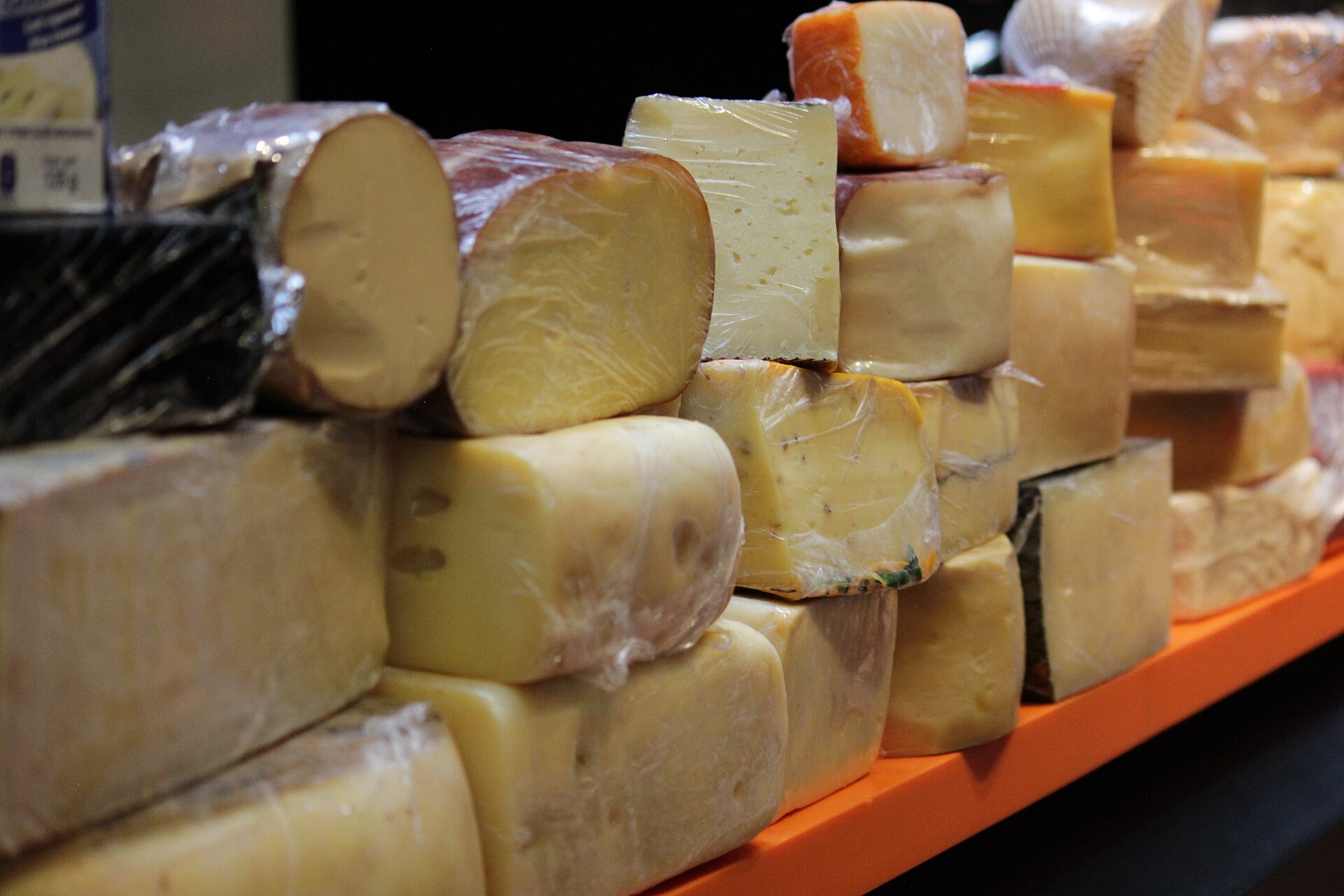
If you think Mexican cheese begins and ends with the shredded “Mexican blend” in a plastic bag, get ready for a delicious surprise. Walk into any local mercado or tiendita in Mexico and you’ll find wheels, balls, braids, and blocks of cheese in every shape, from creamy and mild to sharp, salty, and crumbly. Each region has its own traditions, and many of these cheeses are still made the same way they were generations ago.
Whether you’re planning your first trip to Mexico or you just love Mexican food, this guide covers the 7 types of Mexican cheese (quesos mexicanos) you need to know, from stringy Oaxaca cheese to salty, crumbly Cotija.
1. Queso Oaxaca (Oaxaca Cheese)
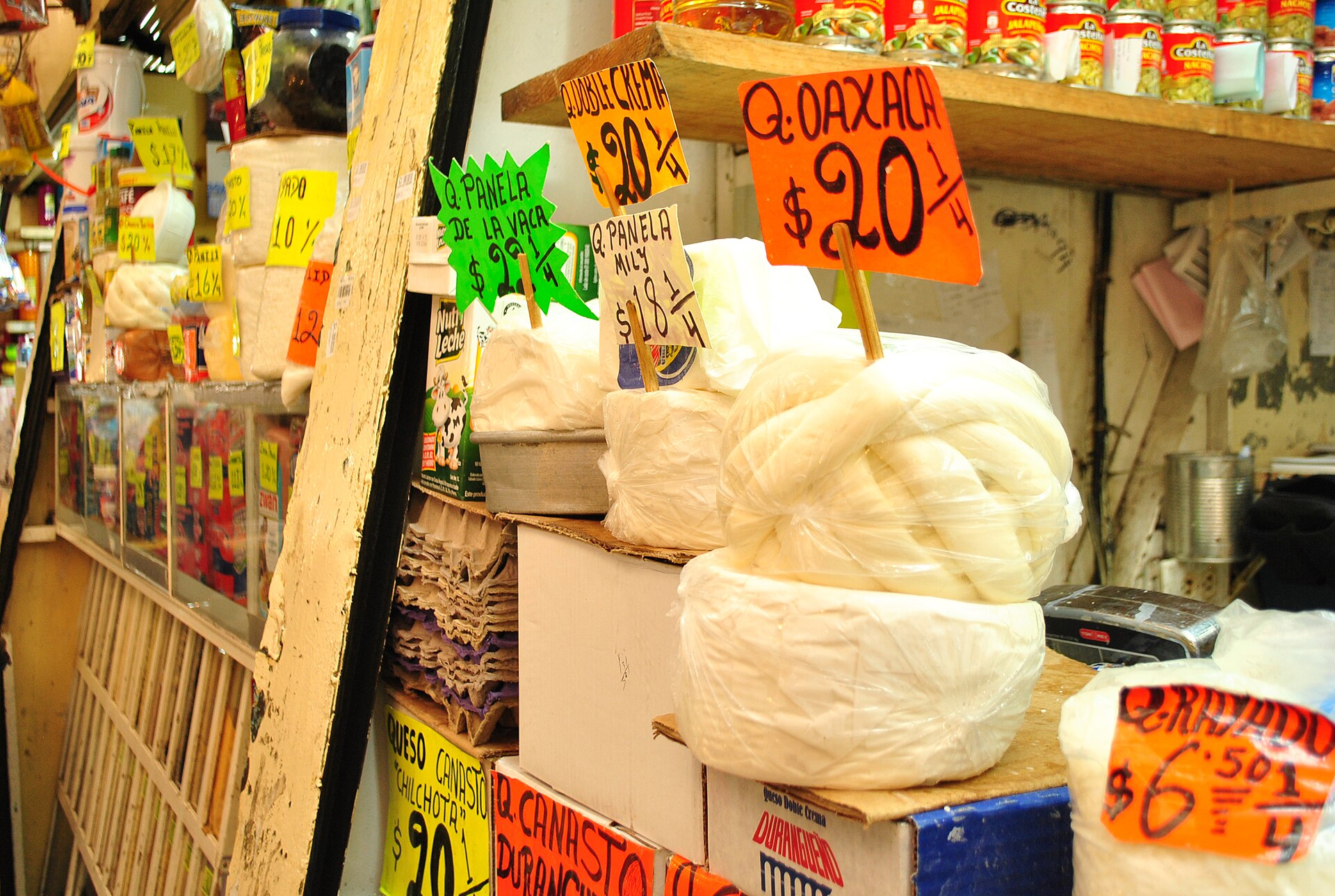
Origin: Oaxaca, in southern Mexico
Type: Semi-soft, stretched-curd (pasta filata) cow’s milk cheese
Flavor and texture: Mild, milky, and slightly salty, with a soft, stringy texture that pulls apart in ribbons, a little like string cheese. It’s usually sold wound into a ball, like a nest of cheese, which is why many Mexicans simply call it quesillo.
How it’s used: This is the melting cheese of Mexico. Look for it in quesadillas, tlayudas (the giant crispy Oaxacan tortilla), empanadas, queso fundido, and stuffed into chiles. You can also peel off strands and eat it by hand with a squeeze of lime and a pinch of chile.
Good to know: If you can’t find it abroad, low-moisture mozzarella is the closest substitute, but nothing beats the original.
2. Queso Cotija (Cotija Cheese)
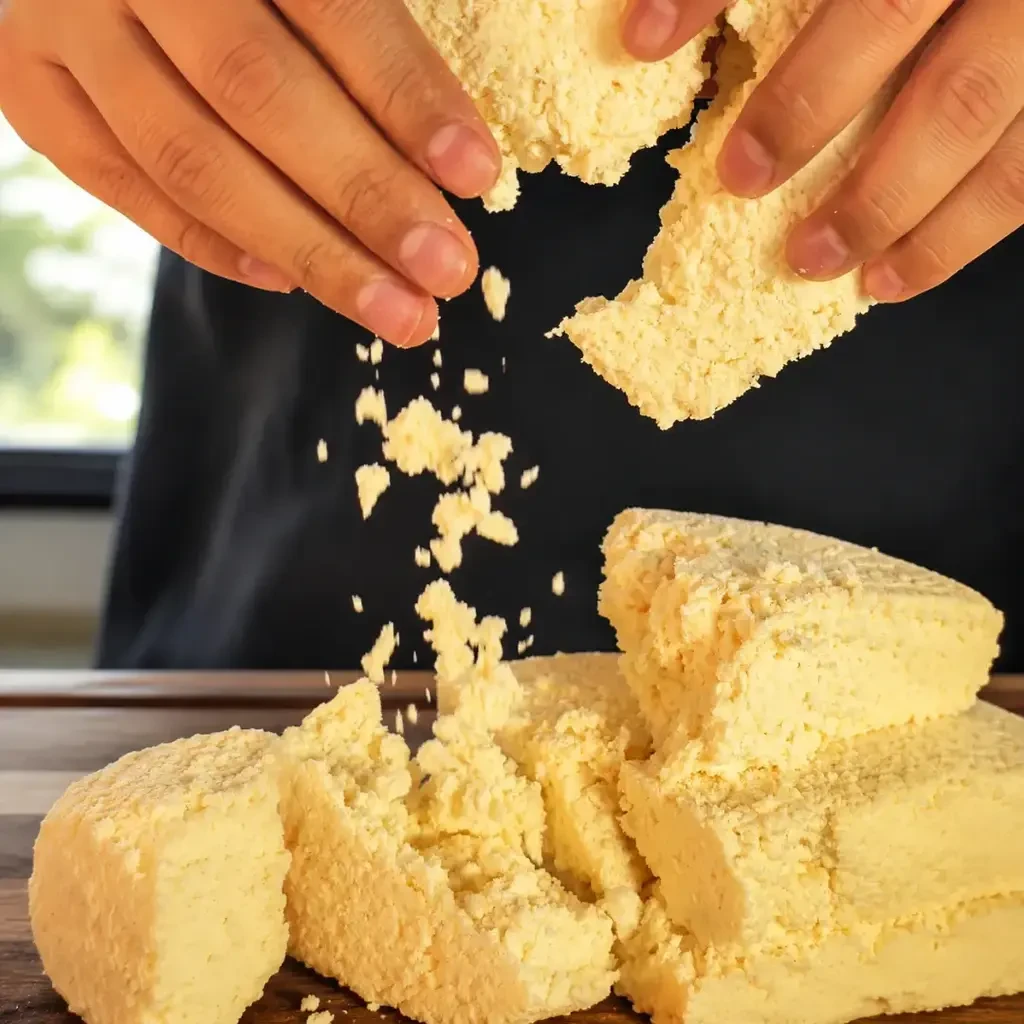
Origin: The town of Cotija, in the state of Michoacán
Type: Aged, hard, crumbly cow’s milk cheese
Flavor and texture: Salty, sharp, and tangy, with a dry, crumbly texture. Younger versions are slightly moist, while well-aged ones become firmer and more intense. It’s often compared to feta or Parmesan, which is why you’ll hear it called the “Parmesan of Mexico.”
How it’s used: Cotija doesn’t melt, so it’s used as a finishing cheese. Sprinkle it over elote (Mexican street corn), esquites, refried beans, tacos, enchiladas, soups, and salads. A little goes a long way.
Good to know: Artisanal Cotija from its home region in the mountains of Michoacán and Jalisco is a point of local pride, and producers protect it with a collective trademark, Queso Cotija Región de Origen.
3. Queso Fresco (Fresh Cheese)
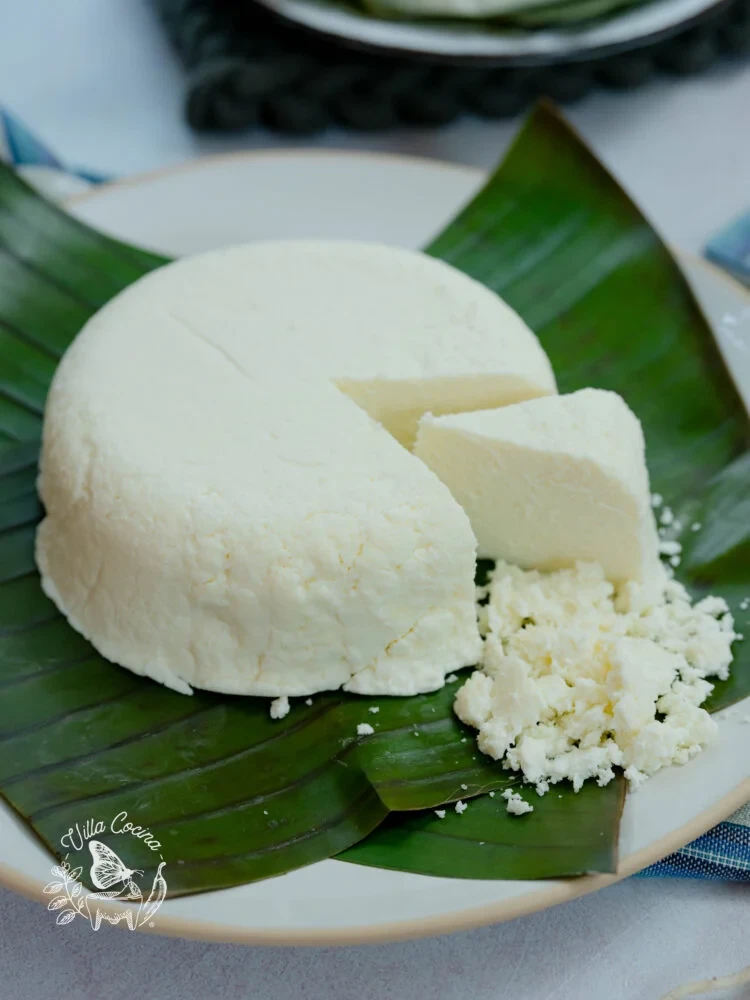
Origin: Made throughout Mexico
Type: Fresh, soft, crumbly cow’s milk cheese (sometimes made with goat’s milk)
Flavor and texture: Mild, milky, and lightly tangy, with a soft, moist, crumbly texture. It isn’t aged, so it tastes fresh and clean.
How it’s used: Queso fresco is the everyday cheese of Mexican kitchens. Crumble it over tacos, enchiladas, chilaquiles, tostadas, beans, and salads. It softens when warmed but doesn’t fully melt, which makes it a great balance for spicy salsas.
Good to know: Because it’s fresh, it’s best eaten within a few days. Many markets sell it cut from big rounds or wrapped in banana leaves or paper.
4. Queso Panela (Panela Cheese or Basket Cheese)
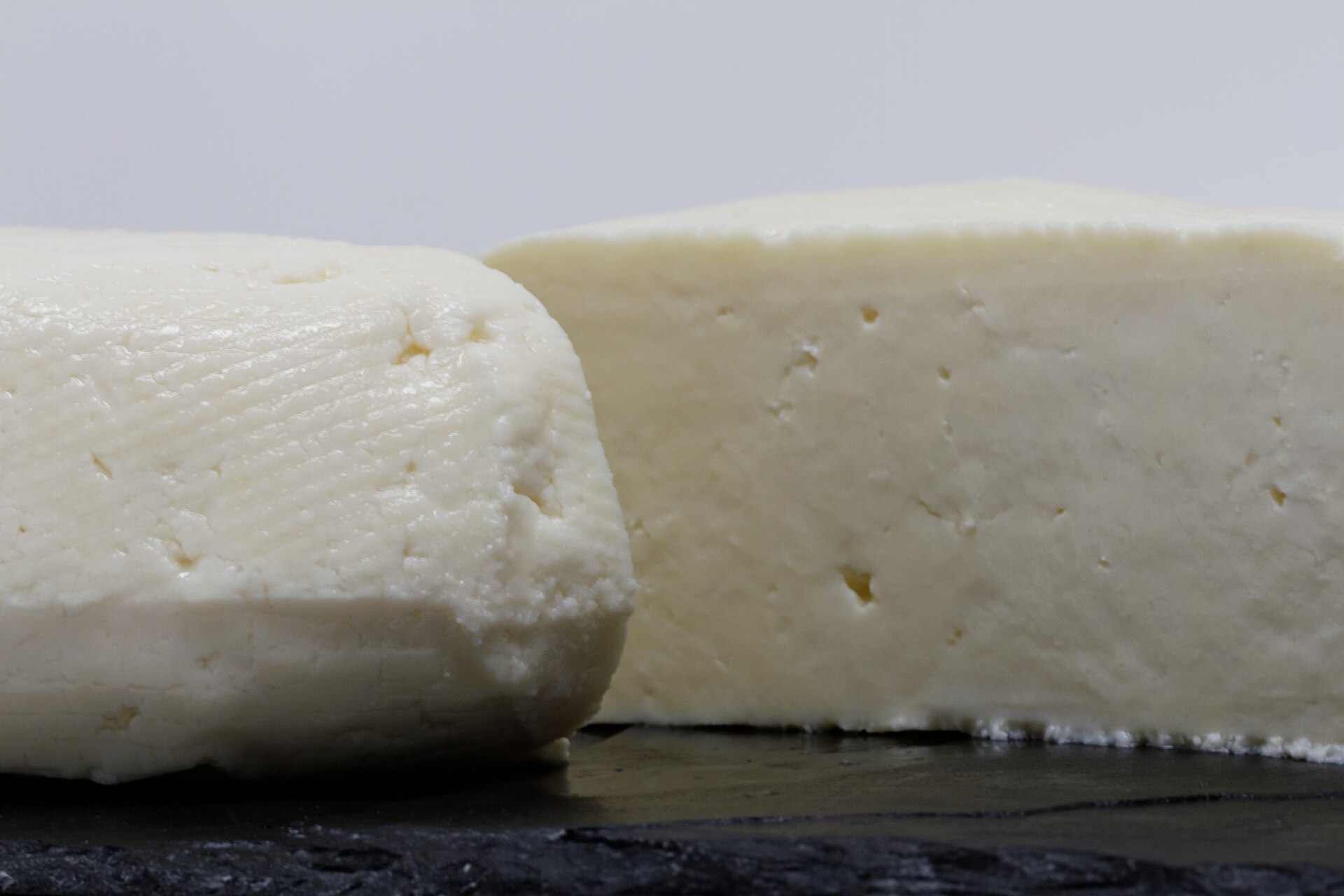
Origin: Made throughout Mexico
Type: Fresh, soft, lower-fat cow’s milk cheese
Flavor and texture: Very mild, fresh, and milky, with a springy, almost squeaky texture. It’s often shaped in a basket mold, which leaves a woven pattern on the surface, hence the name “basket cheese.”
How it’s used: Panela is a go-to for light, healthy dishes. Slice it into salads, serve it with tomato and basil, add it to sandwiches, or grill it until golden. It softens when heated but holds its shape, so it won’t turn into a puddle on the grill.
Good to know: It’s a popular choice for breakfast plates and light botanas (snacks).
5. Queso Chihuahua (Chihuahua Cheese or Queso Menonita)
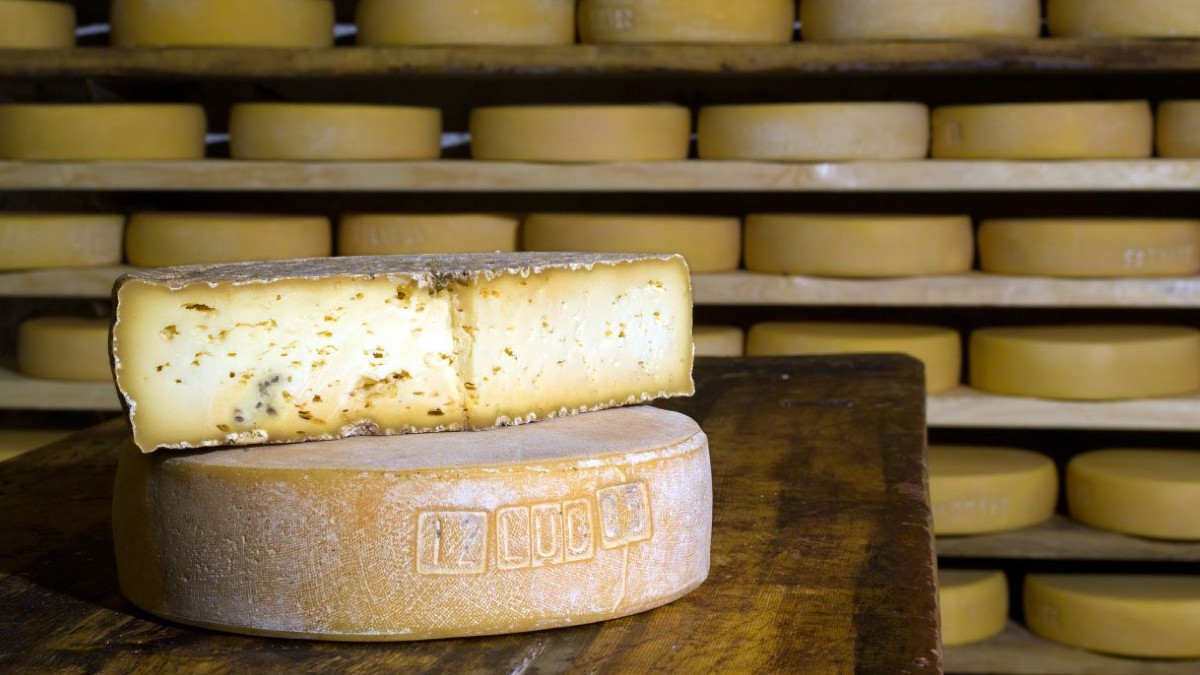
Origin: The state of Chihuahua, in northern Mexico
Type: Semi-soft cow’s milk cheese
Flavor and texture: Buttery, mild, and creamy, similar to a young cheddar or Monterey Jack. It has a smooth, supple texture and melts beautifully.
How it’s used: Chihuahua cheese is a star in queso fundido, chile con queso, burritos, quesadillas, and baked dishes, and it’s the base of many classic northern Mexican recipes.
Good to know: It’s often called queso menonita because the Mennonite communities who settled in Chihuahua in the 1920s brought their cheesemaking traditions with them and made it famous across Mexico.
6. Queso Asadero (Asadero Cheese)
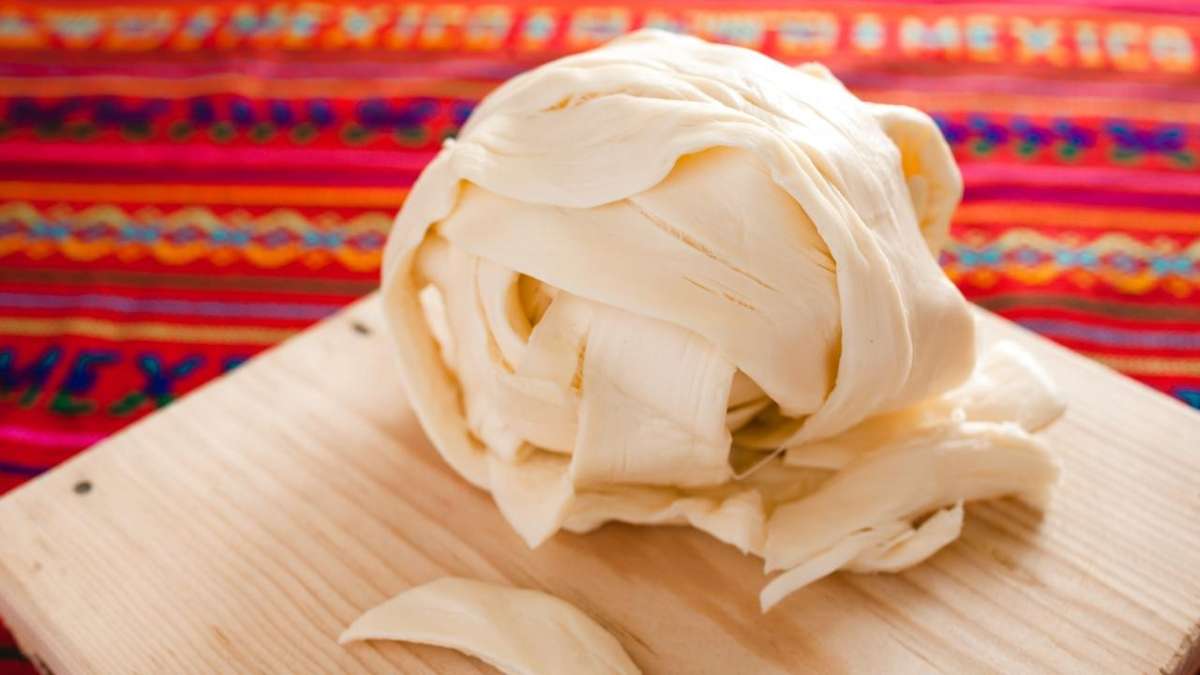
Origin: Northern Mexico, especially Chihuahua and Sonora
Type: Semi-soft, stretched-curd cow’s milk cheese
Flavor and texture: Mild, creamy, and slightly tangy, with a smooth, elastic texture. The name comes from the Spanish word asar, meaning “to roast” or “to grill,” a nod to how well it melts.
How it’s used: Asadero is made for melting. Use it in queso fundido, quesadillas, chiles rellenos, tortas, and anywhere you want a gooey, stretchy cheese pull. It’s sometimes sold as queso quesadilla.
Good to know: If you love Oaxaca cheese but want something creamier and a bit richer, asadero is a great pick.
7. Queso de Bola (Ball Cheese or Dutch-Style Cheese)
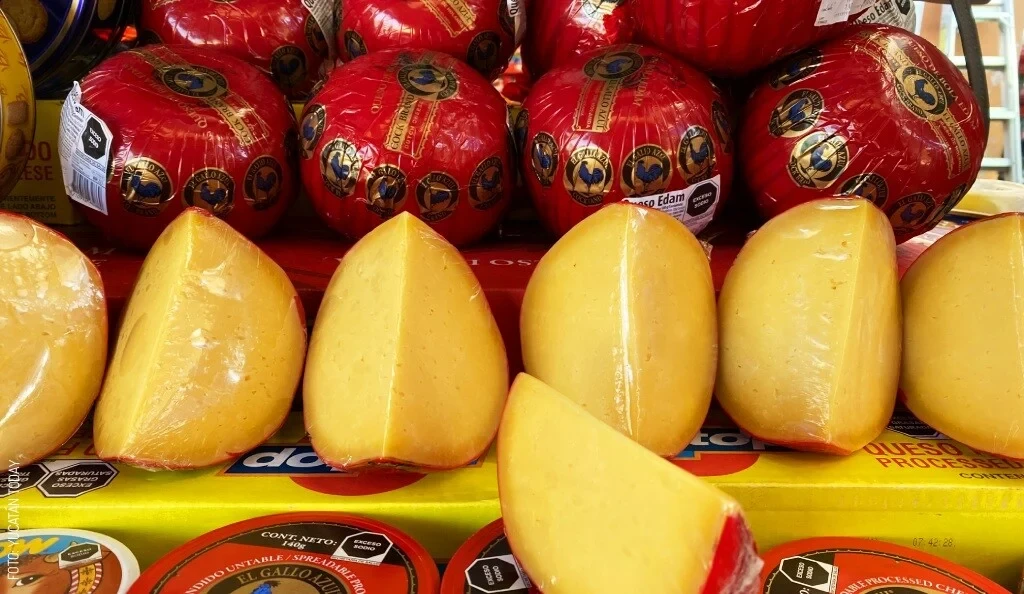
Origin: The Yucatán Peninsula, plus a local version from Ocosingo, Chiapas
Type: Semi-hard, aged, Edam-style cow’s milk cheese
Flavor and texture: Firm, nutty, and salty, with a sharp, savory bite and a bright red wax rind. It arrived in Yucatán through trade with Europe, and the Dutch-style Edam soon became a beloved part of Yucatecan cuisine.
How it’s used: It’s the star of queso relleno, a traditional Yucatecan dish in which the hollowed-out cheese is stuffed with spiced ground pork and served with a rich tomato sauce. It’s also grated over dishes or enjoyed in thin slices.
Good to know: If you’re traveling in the Riviera Maya or Mérida, this is the cheese to look for: it’s a regional specialty you won’t find on most menus anywhere else.
How to Taste Authentic Mexican Cheese on Your Trip
Reading about Mexican cheese is one thing, but tasting it where it’s made and served is another experience altogether. The best way to discover these flavors is to eat like a local: wander through a mercado (we have guides to the best markets in Mexico City and markets in Mérida), sample cheese straight from the vendor, and try it in classic dishes like fresh quesadillas, tacos, and queso relleno.
Tips for buying and enjoying Mexican cheese
- Ask to probar (taste) before you buy. Vendors are usually happy to offer a sample.
- Buy fresh cheeses like queso fresco and panela in small amounts and eat them within a few days.
- Pair salty cheeses like Cotija with something sweet or acidic, such as corn, lime, or fresh salsa.
- Keep your cheese wrapped and refrigerated, and if you’re bringing cheese home, check your country’s customs rules first.
Frequently Asked Questions About Mexican Cheese
What is the most popular cheese in Mexico?
Queso fresco and queso Oaxaca are two of the most widely eaten cheeses in Mexico, found in everything from home cooking to street food.
What is the best Mexican cheese for melting?
Queso Oaxaca, queso Chihuahua, and queso asadero are the top melting cheeses.
What is a good substitute for Cotija cheese?
Feta or a dry, aged Parmesan can work in a pinch, though neither matches Cotija’s exact flavor.
Is queso fresco the same as queso blanco?
They’re very similar. Both are fresh, mild white cheeses, and the names are often used interchangeably.
Taste Mexico’s Best Cheeses on a Food Tour
The best way to learn about Mexican cheese is to taste it with someone who knows the stories behind it. On our guided food tours with Eating With Carmen, you’ll sample authentic local dishes, many of them topped with fresh Mexican cheese, and discover why Mexican food is so much more than tacos and guacamole.
Ready to eat your way through Mexico? Book your food tour today and come hungry!
Hungry for more? Let us know.
- Abbey