

Chocolate, chiles, tomatoes… Mexico has given the world plenty of flavor, pero there’s one gift that quietly lives in almost every kitchen on the planet: vanilla. That sweet, warm aroma in your ice cream, your cookies, even your perfume? Its story starts right here in Mexico, home of the original Mexican vanilla, in the humid hills of Veracruz.
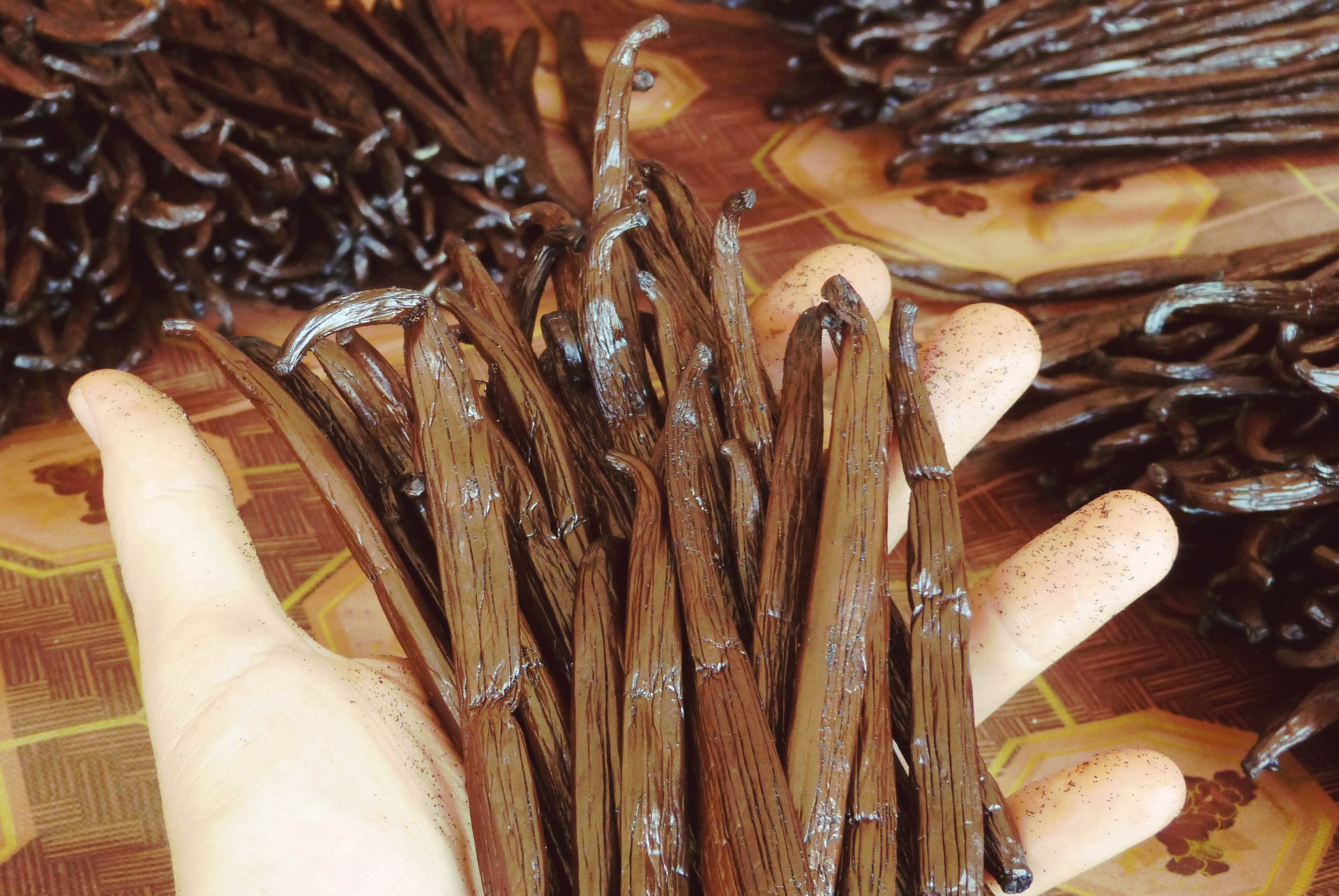
Grab a cafecito and let’s talk about Mexican vanilla, la vainilla, Mexico’s most fragrant treasure.
Where vanilla was born: the Totonaca people
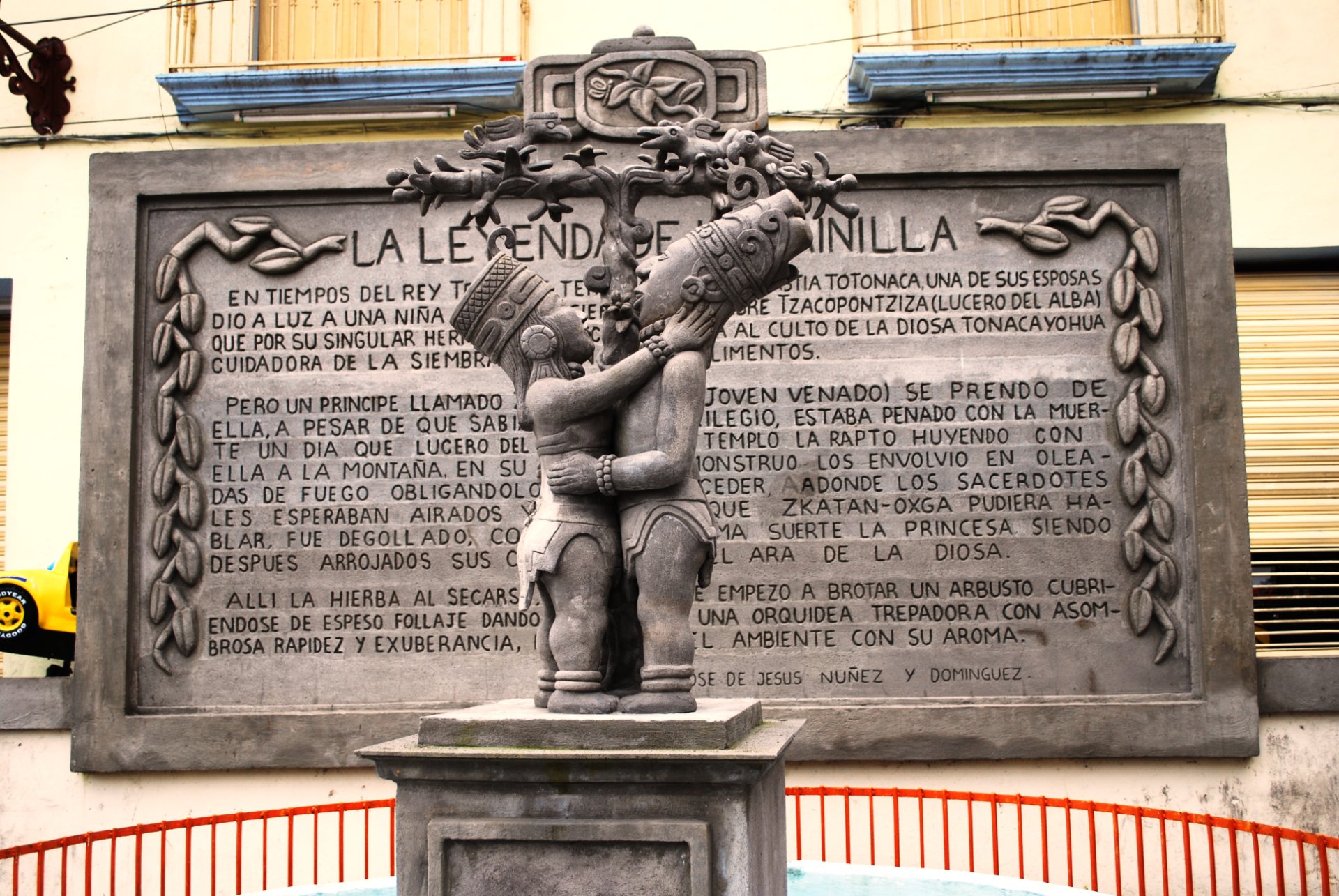
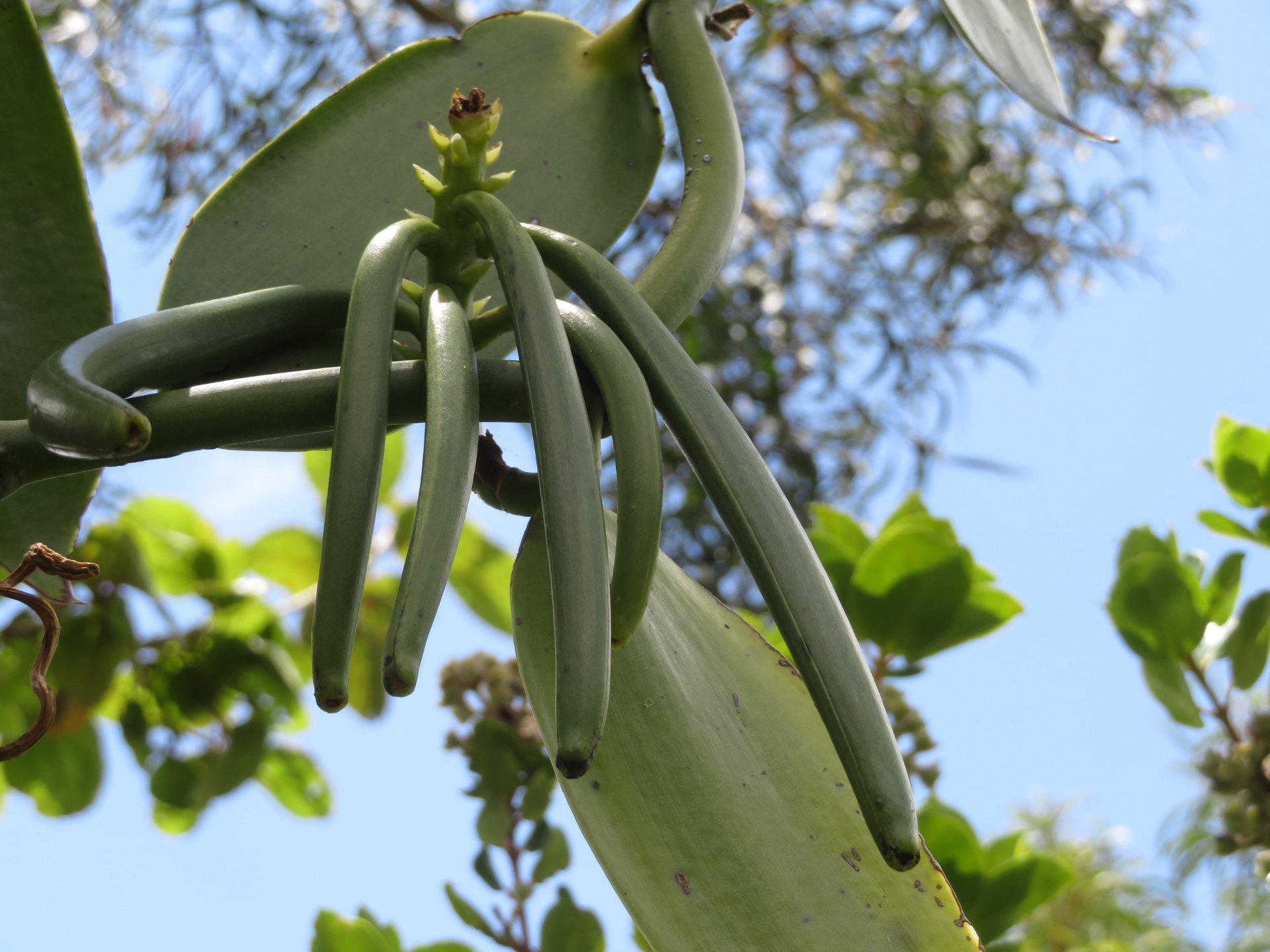
Vanilla comes from an orchid, Vanilla planifolia, native to the tropical forests of Mexico and Central America. The Totonac people of northern Veracruz were the first to cultivate it, and they still grow it today around Papantla and El Tajín.
The Totonacs have a beautiful legend about it. Princess Xanat fell in love with a young man, but her father had dedicated her to the goddess of fertility. The couple tried to run away, were caught, and were sacrificed. Where their blood touched the earth, a vine and an orchid began to grow. Xanat became the vanilla flower, and in Totonac, xanat still means vanilla flower.
From the Aztecs to the world
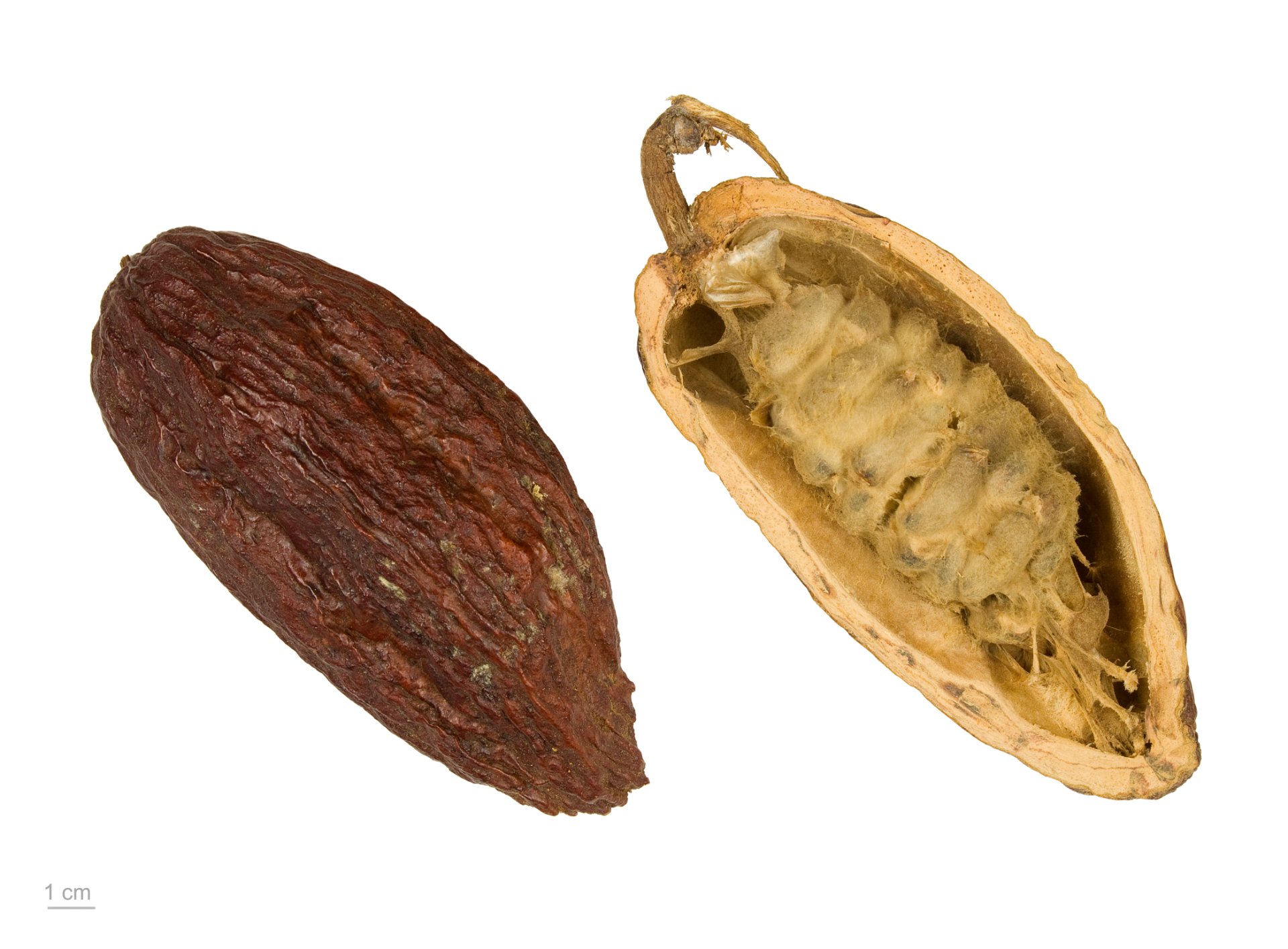
In the 1400s the Mexicas also known as Aztecs conquered the Totonac region and demanded vanilla as tribute. They called it tlilxóchitl, “black flower,” for the dark color of the cured pods, and used it to flavor xocolatl, their chocolate drink with cacao.
When the Spanish arrived in the early 1500s, they tasted that drink and took vanilla back to Europe. They named it vainilla, “little pod.” For decades Europeans used it only with chocolate. Around 1602, Hugh Morgan, apothecary to Queen Elizabeth I, suggested using vanilla as a flavor on its own, and the rest is dessert history. Fun fact: Thomas Jefferson brought a vanilla ice cream recipe home from France in 1789, helping make vanilla an American favorite.
How Mexico lost its vanilla monopoly
For about 300 years, Mexico was the only place on Earth producing vanilla. Europeans planted vanilla vines in their colonies, and the plants grew and even flowered, but almost never gave pods. Why? In Mexico, the flowers are naturally pollinated by native insects, traditionally credited to the little Melipona stingless bee. Outside Mexico, nobody was doing the job.
In 1836, Belgian botanist Charles Morren managed to hand-pollinate vanilla, but his method was slow. The real game changer came in 1841, when Edmond Albius, a 12-year-old enslaved boy on the French island of Réunion, invented a fast, simple technique: lift the small flap inside the flower with a thin stick and press the parts together with your thumb. One person could pollinate hundreds of flowers a day.
His method spread across the Indian Ocean to Madagascar and the Comoros, and that is how Mexico lost its monopoly. Today Madagascar grows most of the world’s vanilla, while Mexican vanilla is now a small but prized share of the market. Sadly, Albius never received money or real recognition for his discovery during his lifetime. Farmers in Papantla still pollinate each flower by hand today, using the same idea, and each flower opens for only one day.
Vainilla de Papantla, Veracruz
Papantla is proudly known as “la ciudad que perfuma al mundo”, the city that perfumes the world. Since 2009, Vainilla de Papantla has had an official Denominación de Origen, covering growers in specific municipalities of northern Veracruz and Puebla. That label guarantees origin and traditional quality.
What makes this Mexican vanilla special is the slow beneficio, the curing process. Green pods are harvested, then “sweated” and sun-dried in cycles for several months, until they turn dark, glossy, and deeply aromatic. No shortcuts here: this patience is why real vanilla is the second most expensive spice in the world, right after saffron.
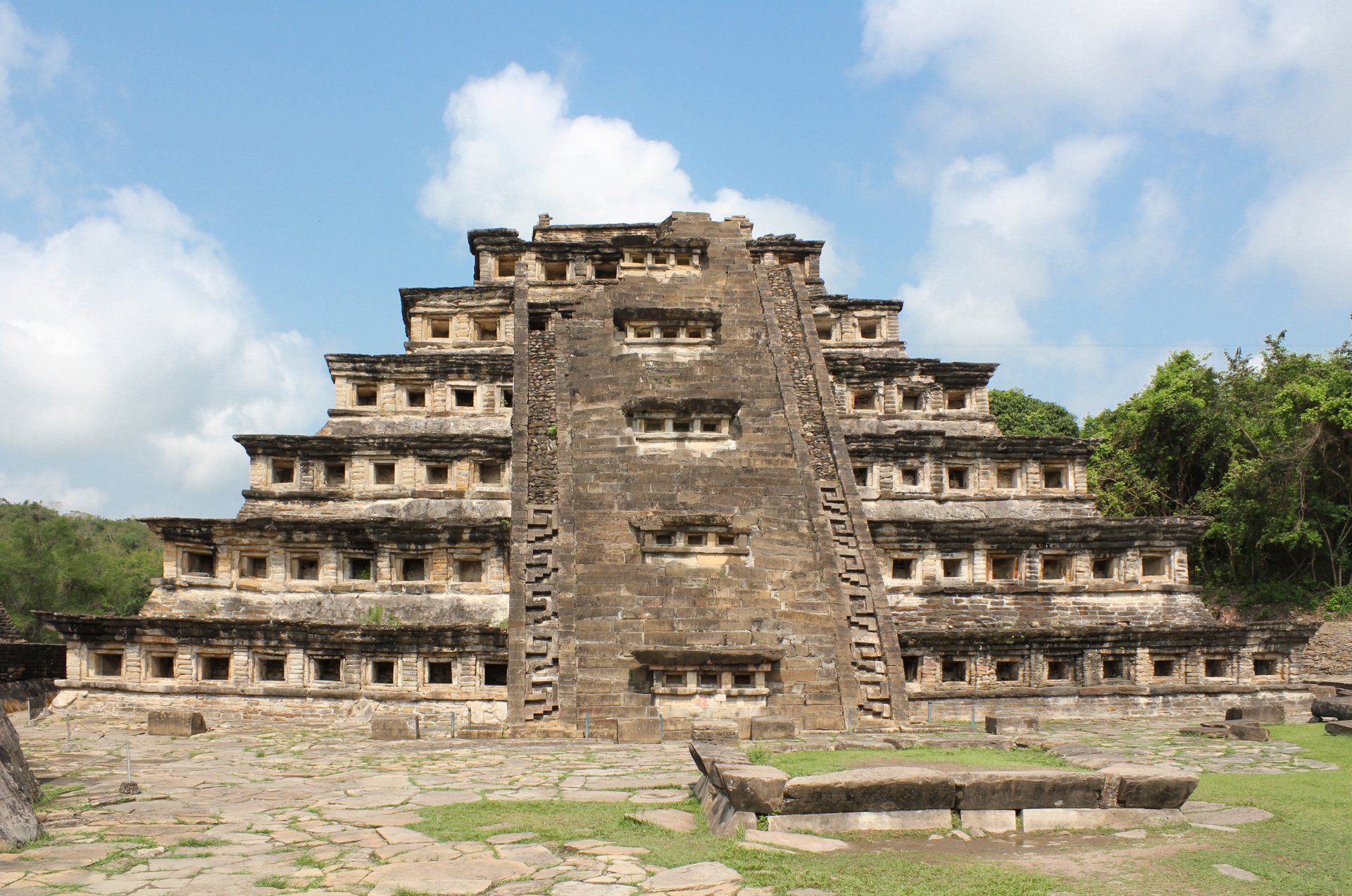
If you ever visit Veracruz, don’t miss the Voladores de Papantla (a Totonac ritual on UNESCO’s Intangible Cultural Heritage list) and the pyramids of El Tajín, a UNESCO World Heritage Site.
How vanilla is used in Mexico
- Sweets and drinks: flan, arroz con leche, pan dulce, atole, champurrado, and horchata.
- Savory dishes: a touch of vanilla in moles, seafood sauces, and glazes from Veracruz kitchens.
- Crafts: Totonac artisans weave cured pods into little figures, flowers, and crosses that perfume a room for months.
- Home and beauty: natural aromas, soaps, and perfumes.
Natural properties of vanilla
Vanilla’s star compound is vanillin, the source of its famous aroma, and real pods hold hundreds of other aromatic compounds that make the flavor richer than imitation vanilla. Vanilla contains antioxidants, and in traditional Mexican home remedies it has been used to calm the stomach, relax the mind with its scent, and even as an aphrodisiac. Enjoy it as a delicious ingredient, not as medicine.
Where to buy real Mexican vanilla (and avoid fakes)
- Papantla and Gutiérrez Zamora, Veracruz: buy straight from producers and cooperatives at the source.
- Mexico City markets: Mercado de San Juan and Mercado de la Merced carry pods and extracts.
- Local mercados, cooking shops or souvenir shops, but always make sure to check for the Denominación de Origen seal.
Ojo, watch out for fakes. Those suspiciously low-priced big bottles of “Mexican vanilla” at souvenir stands are often imitation, and some have contained coumarin, a substance banned as a food additive in the U.S. Look for:
- “Extracto puro de vainilla” (pure Vanilla extract) on the label, not “saborizante” or “esencia artificial” (artificial flavor)
- A realistic price: real vanilla is never a bargain
- Pods that are dark, soft, oily, and flexible, not dry or brittle
Taste the story with Eating With Carmen Food Tours
From a Totonac legend to your kitchen, vanilla is proof that Mexico’s flavors changed the world. Next time you taste a flan or a scoop of ice cream, remember its Mexican origins.
Want to taste real Mexican flavors with a local? Join Eating With Carmen Food Tours in Riviera Maya, Mérida, Mexico City or Los Cabos and discover this and more stories behind every bite.
-Abbey