
When travelers picture Mexico, they usually imagine tequila shots, smoky mezcal, vibrant markets, or plates of tacos al pastor.
But here’s something most visitors don’t expect: Mexico is one of the world’s leading beer exporters and ranks among the top beer-drinking countries on the planet. The average Mexican enjoys around 62 liters of beer a year, and brands like Corona, Victoria, Pacífico, and Montejo have become global icons.
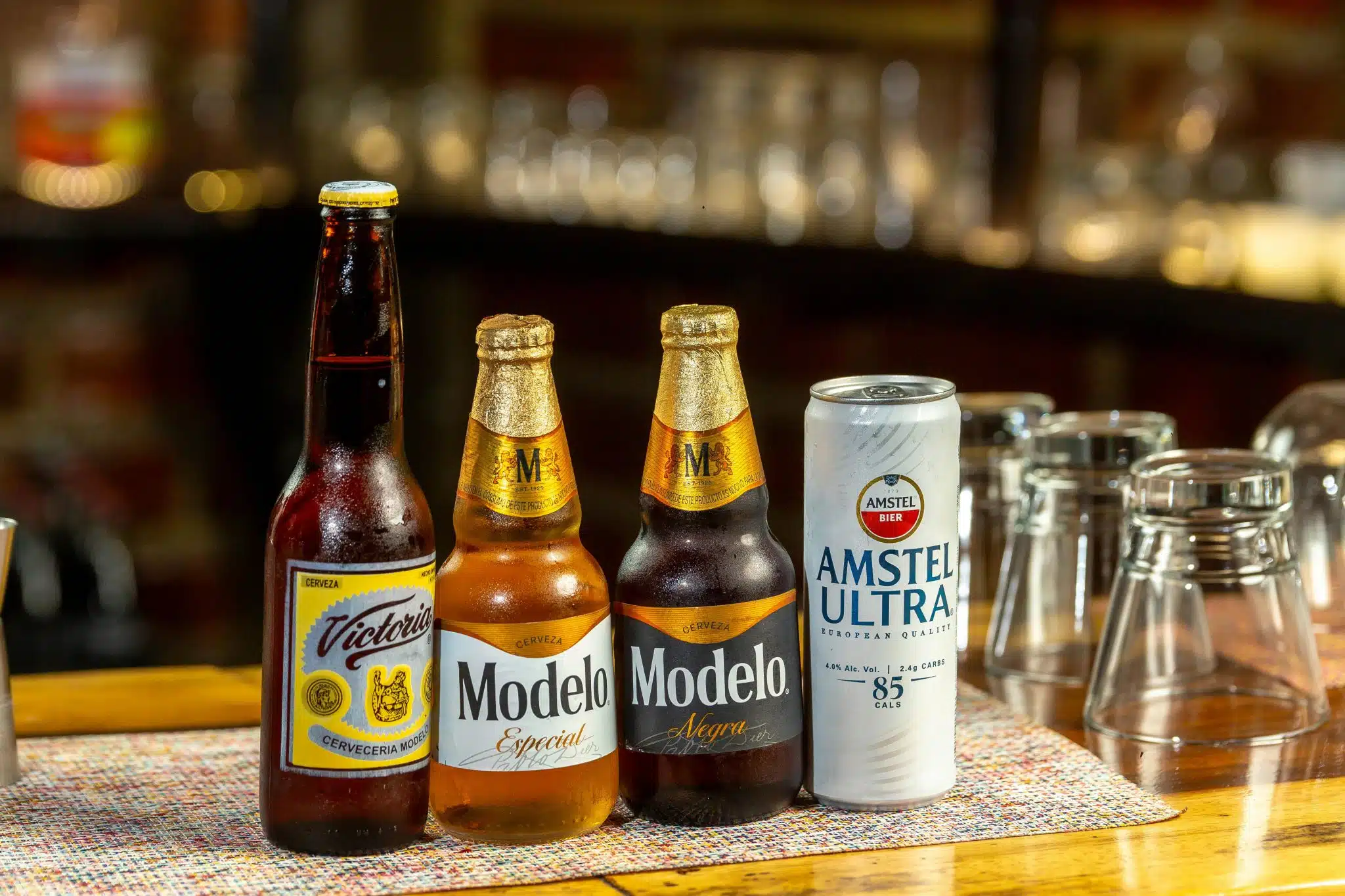
photo by: Jonathan Reynaga
Yet the story of beer in Mexico doesn’t start in beach bars or bustling cantinas. It began nearly five centuries ago, with the very first brewery ever documented in the Americas.
Today, we’re diving into the fascinating history of Mexican beer — a journey shaped by immigrants, industry titans, and centuries of cultural exchange.
Where It All Began: The First Brewery in the Americas (1544)
Mexico’s beer story begins in the 1540s, when Alfonso de Herrera received an official concession to establish a brewery in the Valley of Mexico.
While there is debate about the exact year (1542–1544), multiple historical documents confirm his role as the first licensed European-style brewer in the Americas
The exact name and location of the brewery have been lost, but Herrera’s concession marks the beginning of beer production in New Spain.
Beer remained scarce for centuries, until production began to expand more widely after the 1820s, as new breweries emerged across the young Mexican nation.
The 19th-Century Pioneers Who Built an Industry
The real explosion of Mexican beer came in the second half of the 1800s, fueled by immigration, industrialization, and regional entrepreneurship.
1865 – Toluca: The First Mexican Lager
Swiss immigrant Agustín Marendes founded Cervecería Toluca y México, where Mexico’s first lager-style beer was brewed — a milestone that changed Mexican brewing forever.
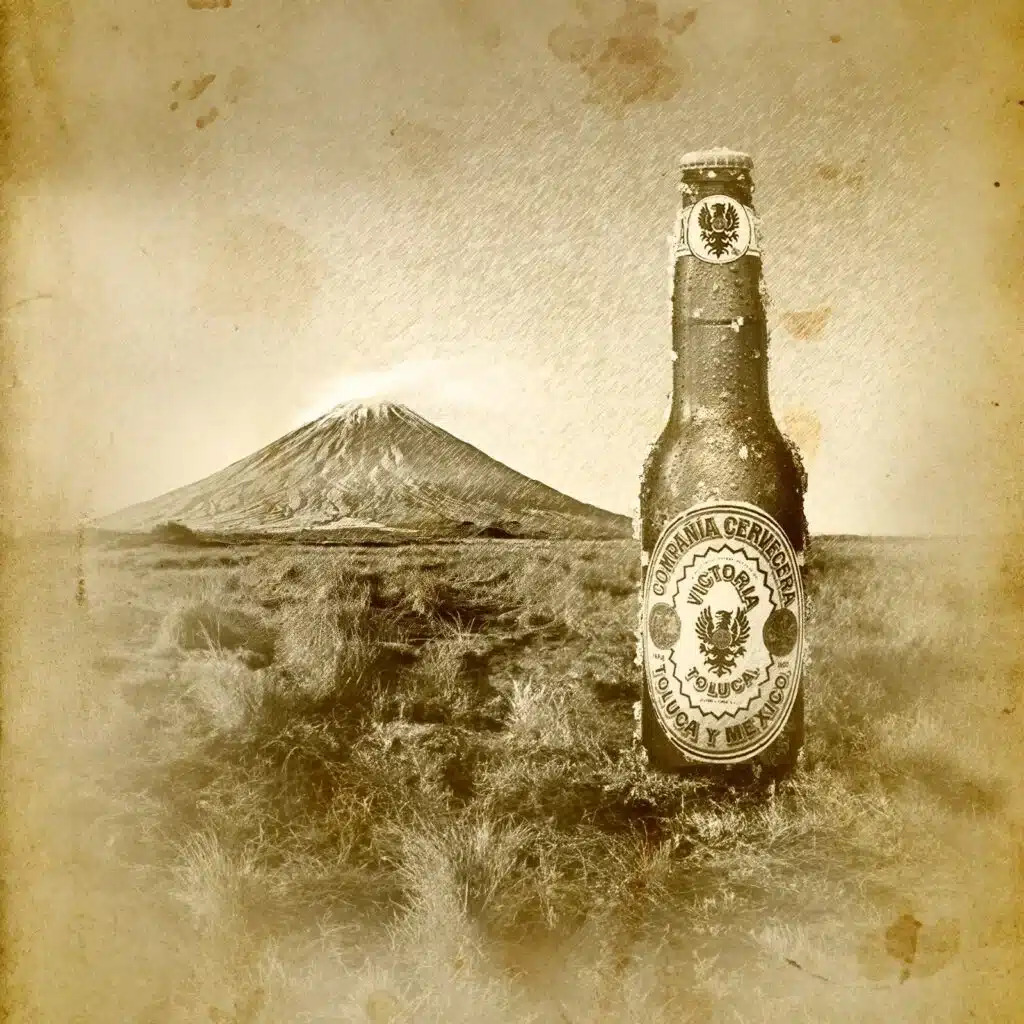 source: tolucacomunica.com
1886 – Yucatán: The Birth of Montejo
In the warm, tropical city of Mérida, Cervecería Yucateca began operations. By 1900, it launched Montejo, a beer still deeply tied to Yucatecan identity.
1890 – Monterrey: The Rise of Cervecería Cuauhtémoc
A small brewery opened in Monterrey in 1889. A year later, a group of entrepreneurs led by Francisco Sada took over and founded Cervecería Cuauhtémoc, which would grow into one of Mexico’s strongest beer empires.
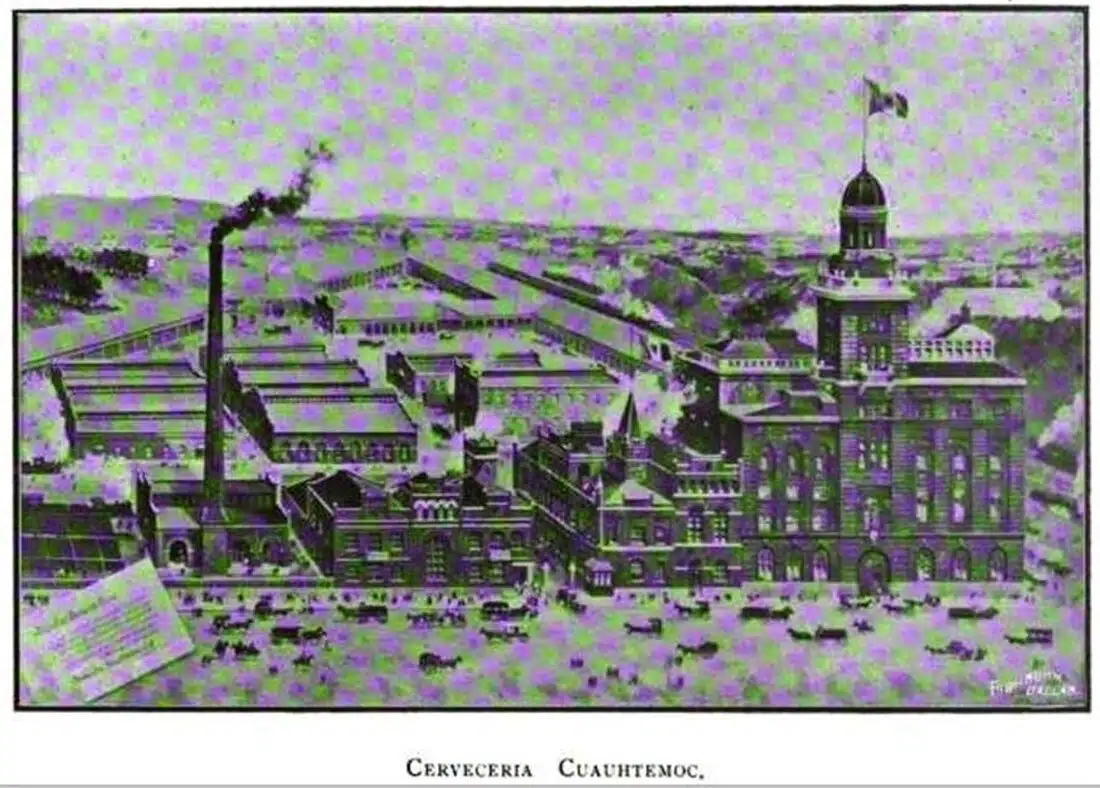
source: wikipedia
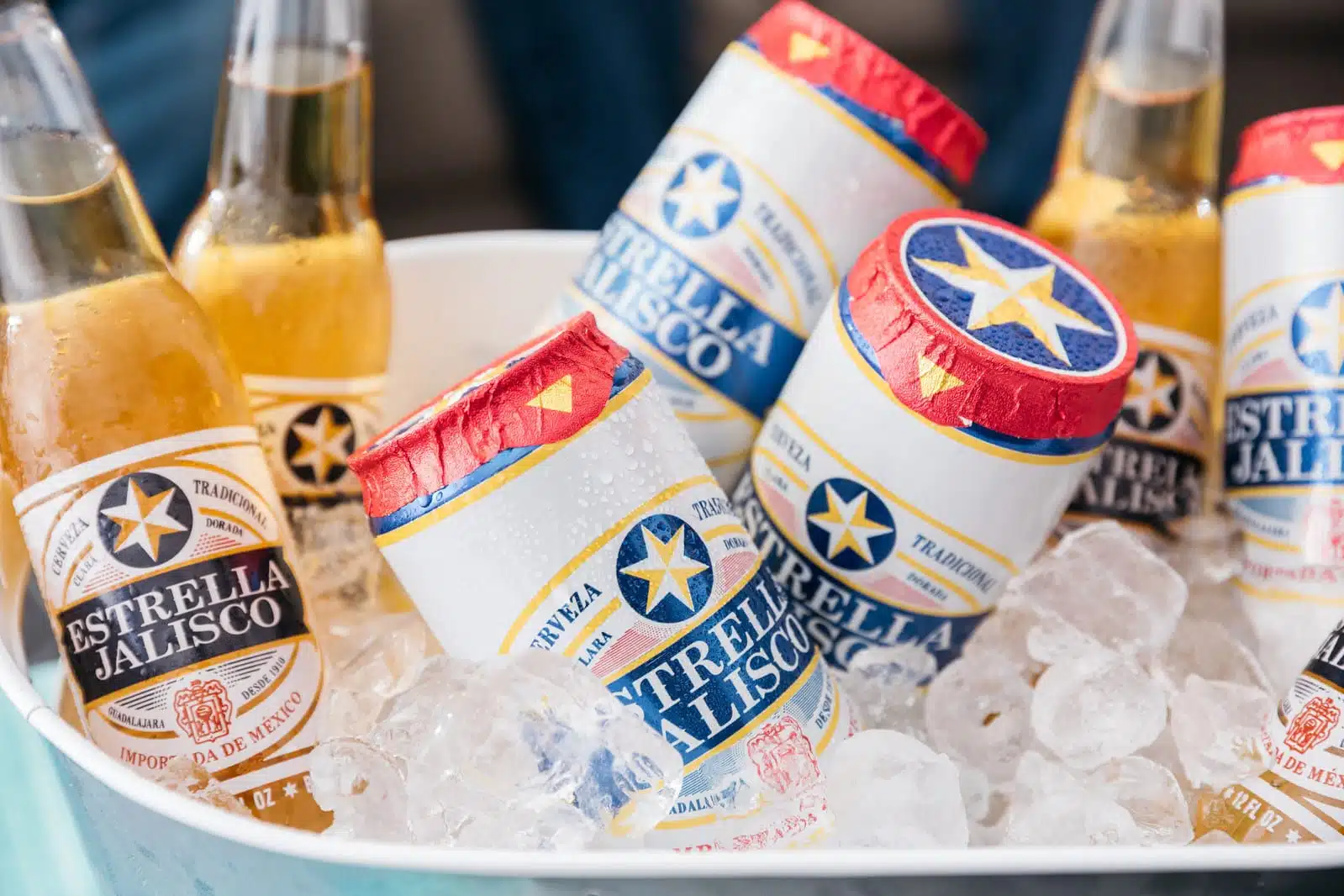
1890 – Guadalajara: Cervecería Estrella
Founded by Juan E. Ohrner, this brewery stood out for its modern business model and its early adoption of lager production.
source: thefoodtech.com
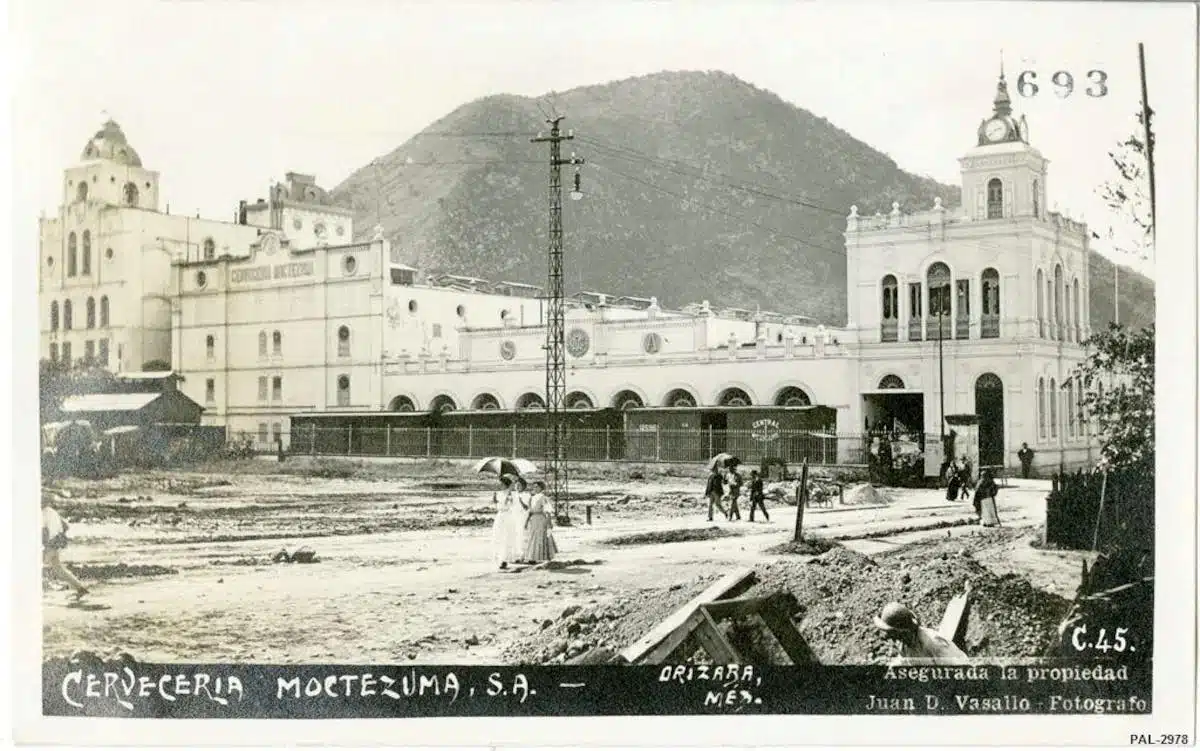
1894 – Orizaba: German Brewing Tradition
German immigrants established Cervecería Guillermo Hasse y Compañía, later known as Cervecería Moctezuma, the future home of beers like XX Lager.
source: mexicoenfotos.com
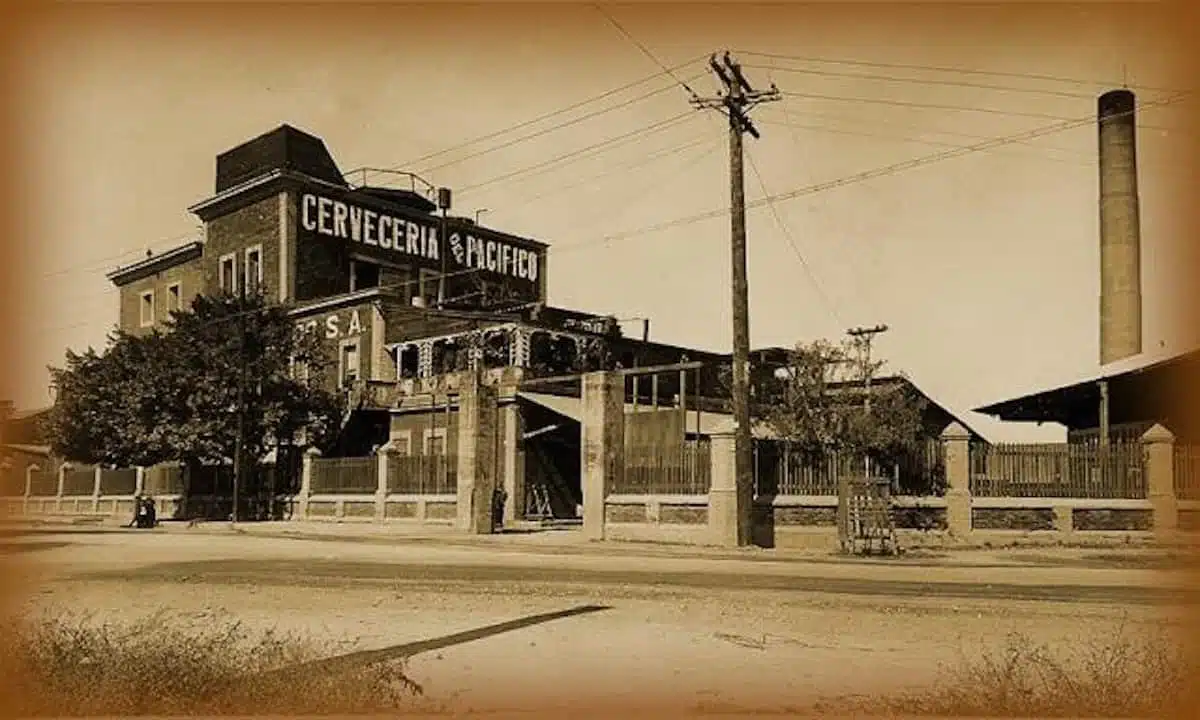
1900 – Mazatlán: Cervecería del Pacífico
On the Pacific coast, three Germans — Jorge Claussen, Germán Evers, and Emilio Philippy — founded Pacífico, a beer that would become synonymous with beach towns and surf culture.
source: animalgourmet.com
By the turn of the century, beer was being brewed from Yucatán to Baja California, helping create a national tradition that still defines Mexican social life today.
1925: The Birth of Grupo Modelo
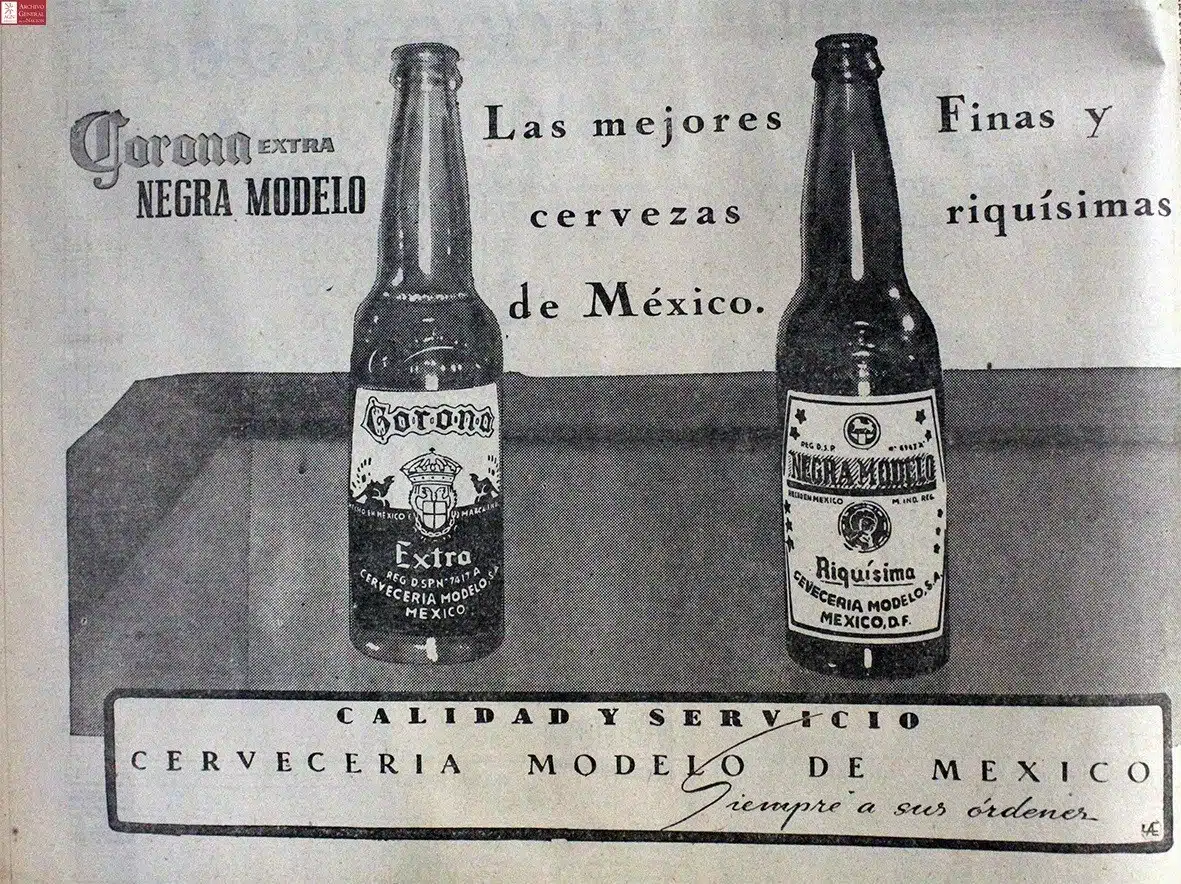
The next major chapter begins in 1925, when Spanish immigrant Braulio Iriarte founded Cervecería Modelo in Mexico City.
Just three years later, the brewery released three beers that would shape Mexico’s international reputation:
-
Modelo Especial
-
Negra Modelo
-
Corona
source: gob.mx
Among them, Corona would become the most famous, eventually turning into the best-selling imported beer in the United States and a symbol of “Mexican sunshine” around the world. Today, it’s brewed not only in Mexico, but also in Colombia, Chile, and China, and sold in more than 150 countries.
How Grupo Modelo Became a Powerhouse
Throughout the 20th century, Grupo Modelo expanded aggressively by acquiring regional breweries:
-
1935: Cervecería Toluca y México (makers of Victoria)
-
1954: Cervecería del Pacífico (Mazatlán) and Cervecería Estrella (Guadalajara)
-
1966: Cervecería de Torreón
-
1970s: Cervecería Yucateca (bringing Montejo into the portfolio)
By mid-century, Modelo was one of the strongest forces in the Mexican beer market.
A Rival Emerges: Cuauhtémoc-Moctezuma
Modelo’s greatest competitor came from the north: Cervecería Cuauhtémoc, which later merged with Moctezuma to form Cuauhtémoc-Moctezuma.
For decades, these two giants battled for national dominance, shaping distribution networks, creating iconic brands, and elevating Mexico into one of the world’s most influential brewing countries.
The Global Era: Mexican Beer Goes Worldwide
In the 21st century, international beer conglomerates turned their eyes to Mexico:
-
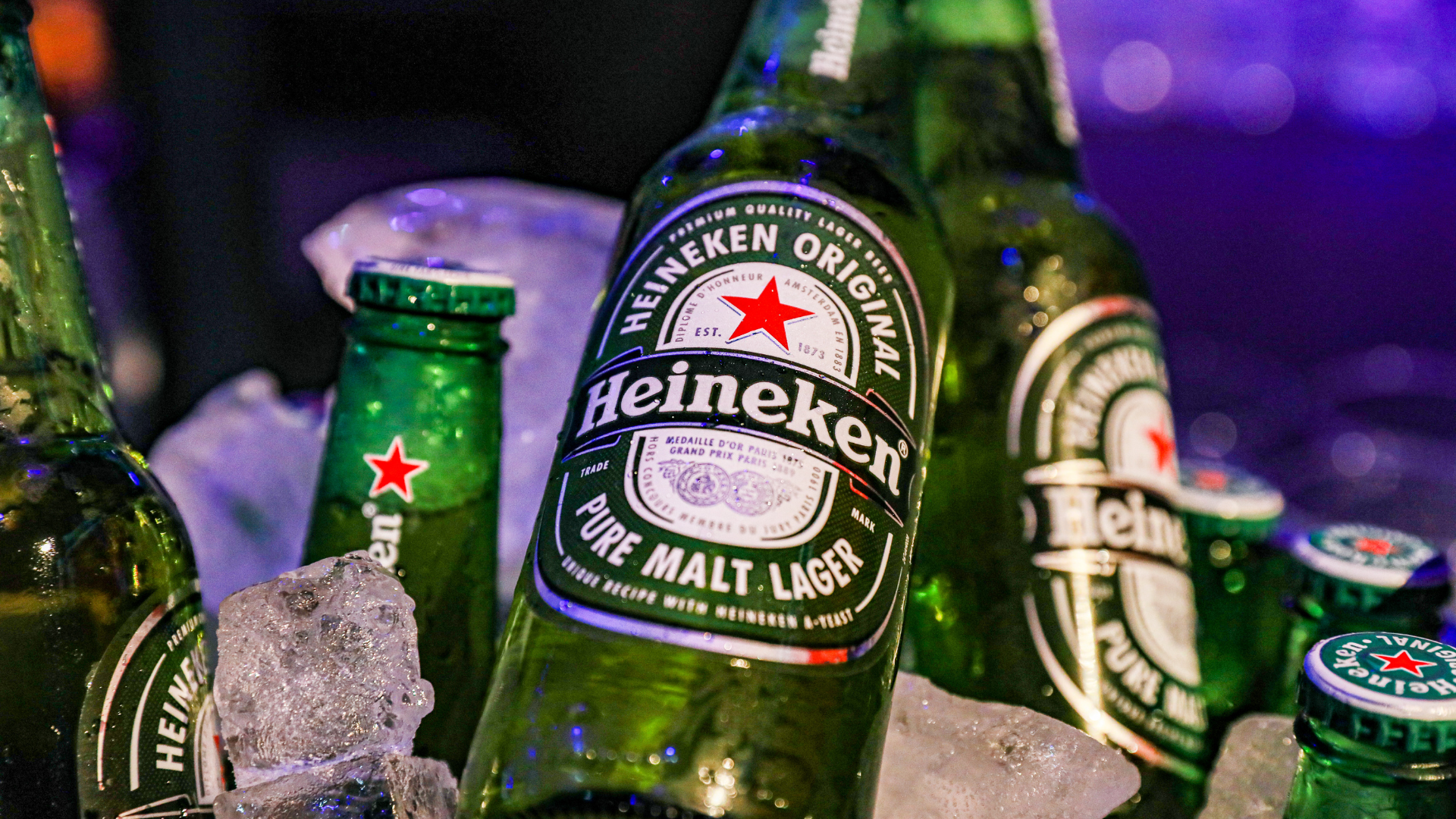
2010: Heineken International acquired Cuauhtémoc-Moctezuma.
source: canva.com
-
2013: Anheuser-Busch InBev, the world’s largest beer company, purchased Grupo Modelo for 20 billion USD.
These acquisitions positioned Mexico as a strategic hub in the global beer industry — and solidified the worldwide popularity of Mexican beer brands.
A Taste of History in Every Bottle
Today, whether you’re sipping a Corona on the beach, a Negra Modelo with tacos al pastor, a Pacífico in Mazatlán, or a Montejo in Mérida, you’re drinking more than just a refreshing beer.
You’re tasting nearly 500 years of brewing history — a story shaped by immigrants, innovators, regional traditions, and two companies that helped transform Mexico into a global beer powerhouse.
Salud!
— Juan