

Mexico is the birthplace of wine in the Americas, yet ask the average traveler about Mexican drinks, and Tequila or Mezcal will come up long before wine does. Mexico’s wine country remains one of the most underrated destinations for food and travel lovers, even among those who consider themselves well-traveled.
Mexico is home to several wine regions with ideal climates, mountain elevations, and soil quality perfect for producing high-quality wines. And surprisingly, Mexico holds two contrasting titles in the wine world: it’s both the birthplace of wine production in North America and also one of the world’s most exciting emerging wine destinations.
Here’s a fun fact to sip on:
Mexicans drink an average of only 950 milliliters of wine per year! Compare that figure with Americans, who consume an average of 7.5 liters of wine per person annually. The French, of course, beat us all with 53 liters per capita per year.
It’s a telling sign of how much room Mexico’s wine culture still has to grow, and why now is the perfect time to discover it before everyone else does.
A Brief History of Mexican Wine: 500 Years in the Making
Long before the Spanish arrived, Mexico’s Indigenous peoples were already familiar with native grapevines. Historical Nahuatl sources even include the word xocomecatl to refer to the vine, showing that the plant was recognized long before European viticulture arrived. According to some modern interpretations, the xocomecatl may also have carried deep symbolic meaning. It was described as a climbing vine capable of winding itself around other trees, its clusters of fruit valued as food. Some scholars have suggested that its twisting growth evoked the flowering tree of Tamoanchan, believed to hold up the center of the universe in ancient Nahua cosmology. This flowering tree was central to the Indigenous worldview.
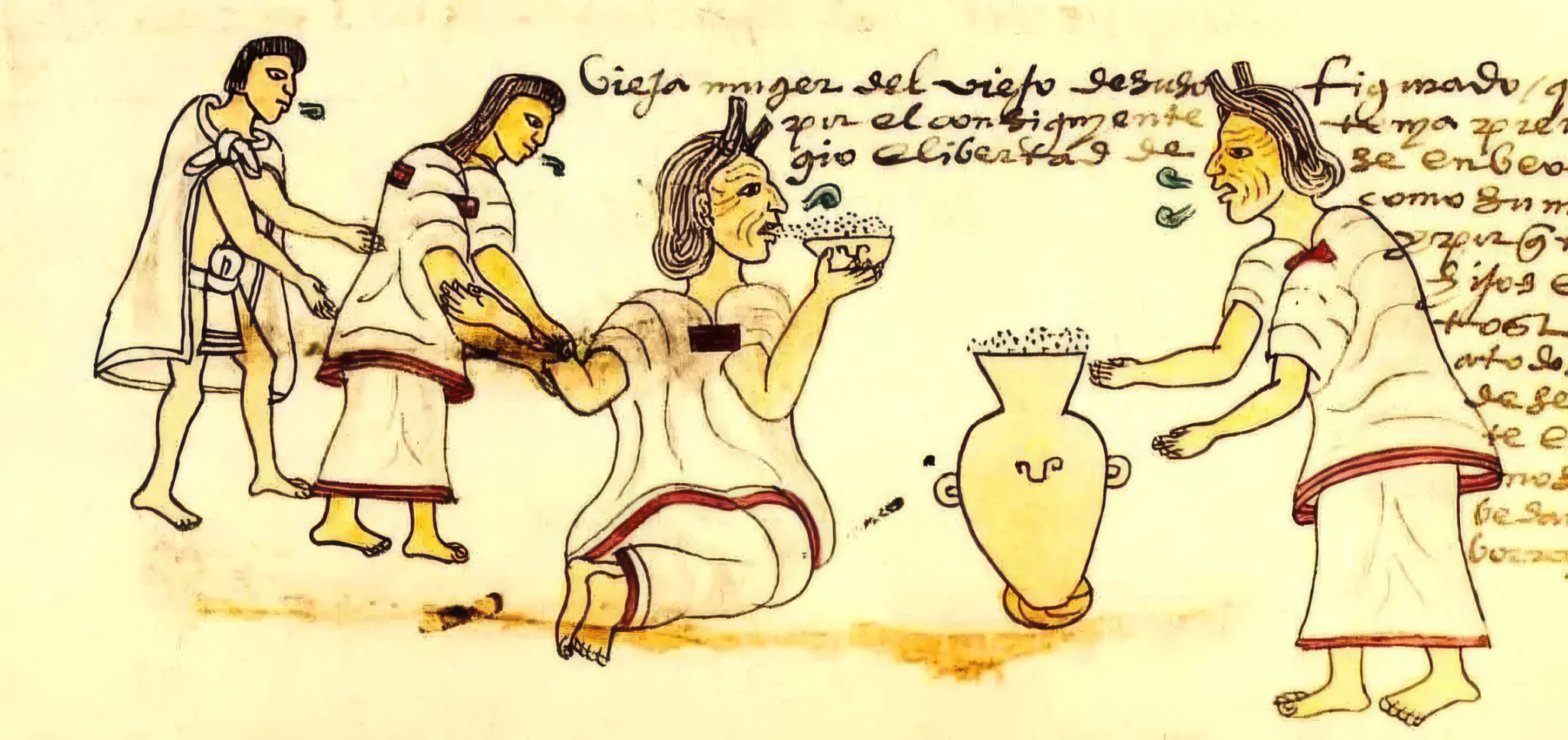
Later in time, Mexico’s winemaking story begins earlier than most people expect. Spanish conquistadors and missionaries brought the first vines over, and by 1593 they’d matured enough to produce wine. Captain Francisco de Urdiñola founded Mexico’s first commercial winery, Marqués de Aguayo, in Parras, Coahuila.
Success came with a catch: Spanish winemakers back home felt threatened, and King Philip II ordered most Mexican vineyards destroyed, sparing only what missionaries needed for religious use. Those missionaries kept the tradition alive, and in 1717, the first vineyard was planted in Baja California, turning desert land into what’s now Mexico’s most famous wine region.
The industry grew through the 1800s with government support after independence, only to be nearly wiped out by a phylloxera outbreak, then abandoned again during the Mexican Revolution. By 1939, Mexico had just 15,000 hectares of vineyards left.
Recovery came after World War II, as Mexico turned to homegrown wine to replace imports. A national viticulture council formed in 1949, followed by a modernization push in the 1970s that brought new vineyards, updated equipment, and top winemaking talent. Production peaked in 1986 with a harvest that still stands as a record today.
The 1994 economic crisis hit hard; by 1996, only seven major commercial wineries remained in the country. But the industry rebuilt once again, and today, wine is produced across 14 Mexican states, earning international acclaim along the way.
Altitude Over Latitude: The Grapes and Ground Behind Mexican Wine
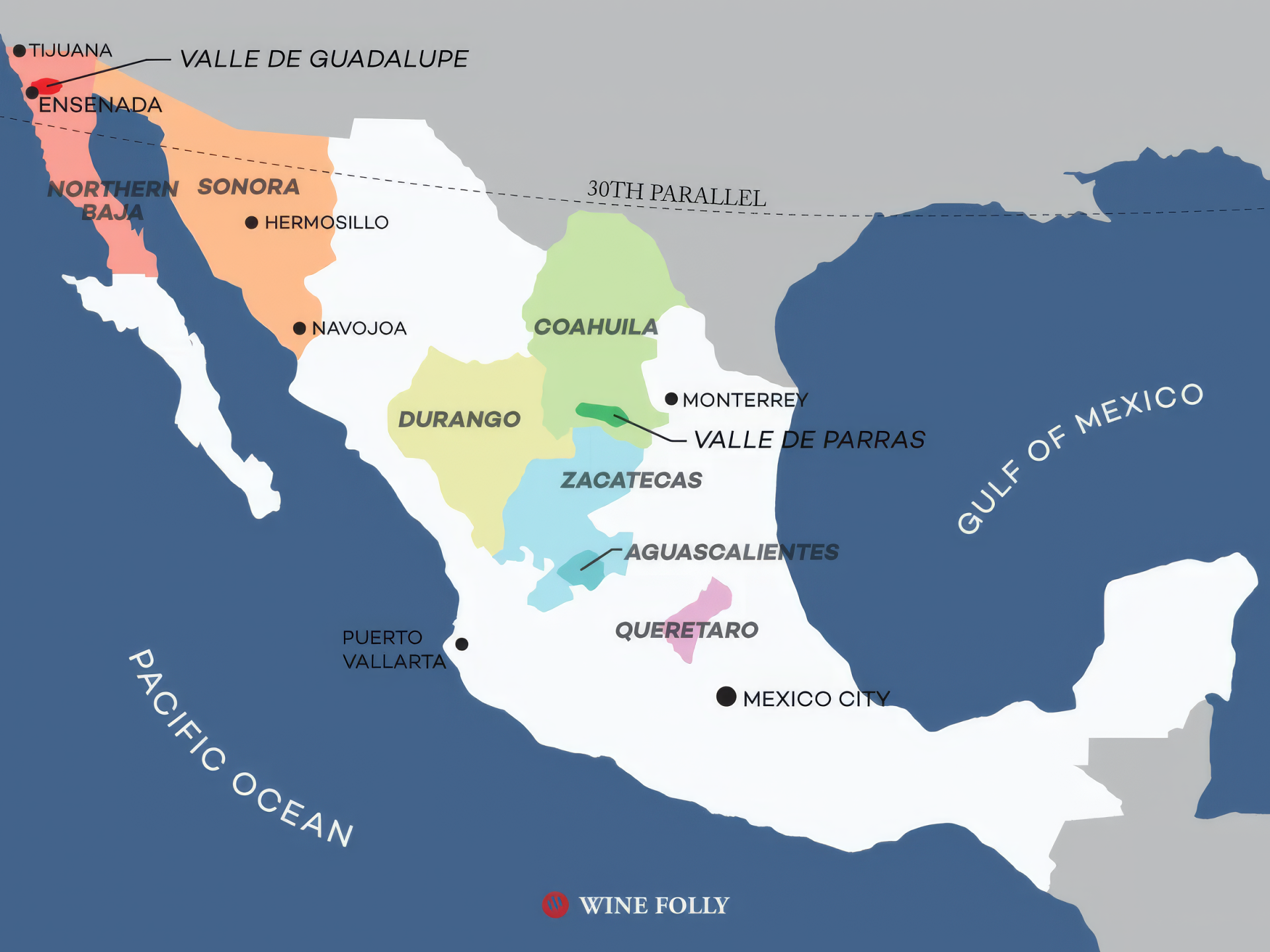
Fourteen wine regions stretch across Mexico, but some stand out as the country’s wine capitals: Valle de Guadalupe in Baja California, Valle de Parras in Coahuila, Querétaro, Guanajuato and Aguascalientes.
So how does a country sitting mostly below the 30th parallel, well outside the latitude traditionally considered ideal for wine grapes, manage to produce award-winning bottles? The main answer is altitude. In Mexico’s mountainous wine regions, elevation creates the temperature swing vines need: warm, sunny days followed by cool nights that let the grapes ripen slowly and develop complex flavor.
Soil plays an equally important role, and it’s not the kind you’d expect. Dark, nutrient-rich soil is actually the enemy of great wine grapes. What vines really want is a leaner mix of sand, gravel, red clay, and decomposed rock, exactly what you’ll find throughout Mexico’s wine regions. Add in a climate pattern of wet winters and dry summers, and you get about as close to ideal winegrowing conditions as it gets.
Across roughly 16,000 acres of Mexican vineyards, winemakers grow more than 40 grape varieties. Most fall into familiar, internationally beloved categories: Sauvignon Blanc, Chenin Blanc, Riesling, Merlot, Nebbiolo, Cabernet Franc, Grenache, Cabernet Sauvignon, but Mexico’s New World status also means winemakers aren’t afraid to break the rules. Look for small-batch bottles made from Aglianico, Misión, Verdejo, or even Gewürztraminer for something you won’t find on a typical wine list.
Mexico’s Wine Regions and Roads: Where to Drive and Sip
Valle de Guadalupe
Located on the northern end of the Baja California peninsula, Valle de Guadalupe is Mexico’s leading wine region, producing about 90% of the country’s wine. Its Mediterranean climate, shaped by Pacific Ocean influence, brings mild weather most of the year, with warm days ideal for producing full-bodied, deeply colored wines.
The region has grown fast; wineries jumped from around 50 to more than 150 in just the last decade, alongside a growing scene of hotels, restaurants, and wine tours, tastings, and classes. Beyond the main valley, subregions like Santo Tomás, Ojos Negros, and La Grulla add to the area’s wine-producing footprint.
Valle de Guadalupe grows a wide range of varietals, but its Nebbiolo stands out. The grape arrived from Europe shortly after World War II, and when paired with the region’s red clay soil, it produces a rounder, full-bodied, deep-colored wine that’s distinctly different from Italy’s Barolos and Barbarescos. Other standout reds include Cabernet Sauvignon, Merlot, and Zinfandel, alongside whites like Chardonnay, Sauvignon Blanc, and Chenin Blanc.
Valle de Guadalupe Wine Road
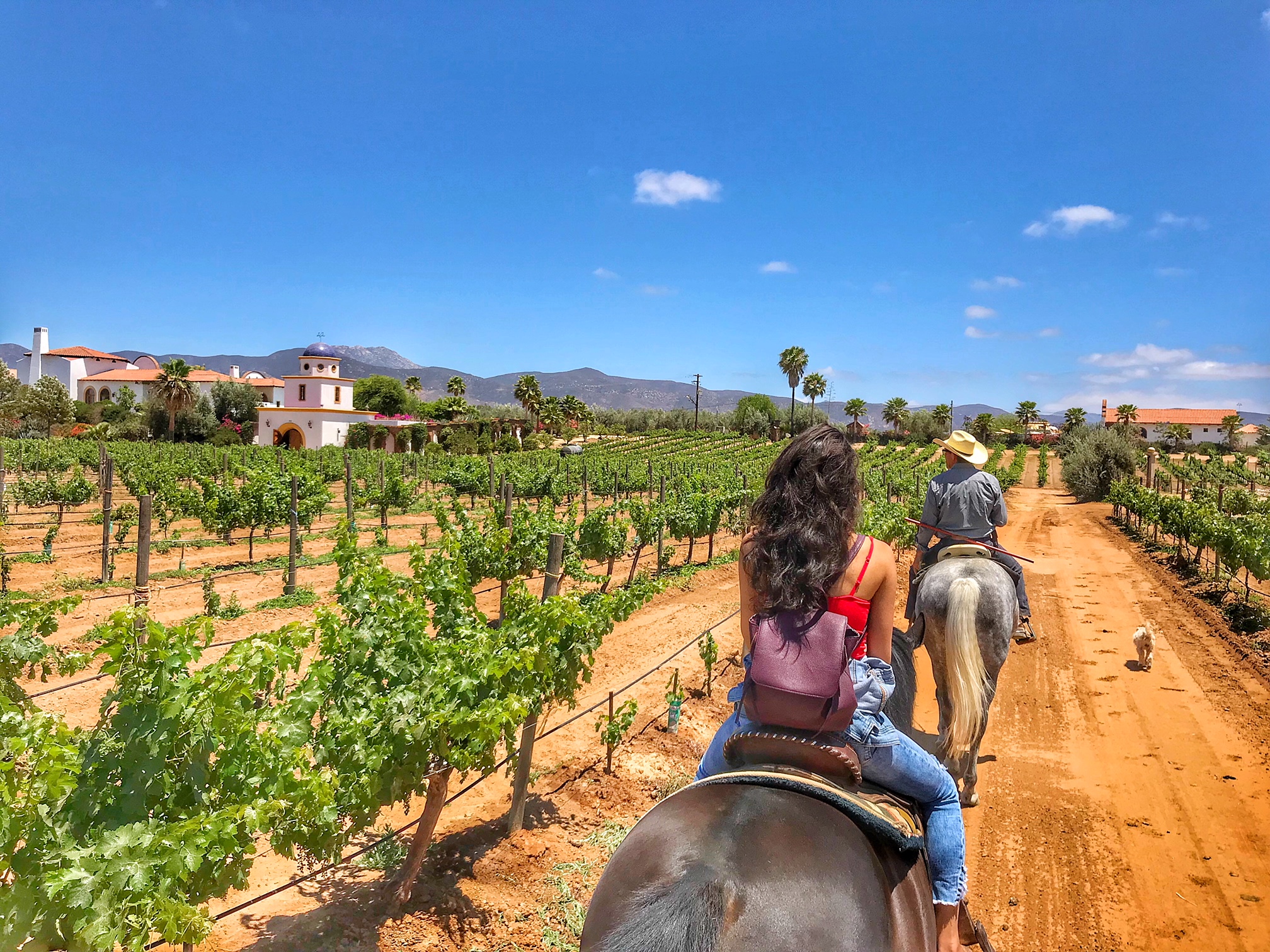
Located in Baja California, about 30 km from Ensenada and 90 km from Tijuana, this is Mexico’s most concentrated wine route, home to more than 150 wineries producing a great percentage of the country’s wine, alongside boutique hotels and standout dining.
The route runs mainly along Federal Highway 3 (Tecate–Ensenada). From Tijuana, take the scenic Highway 1 to Ensenada, then follow the turnoff onto Highway 3, about a 1.5-hour drive. From Ensenada, it’s just 20-30 minutes northeast on the same road.
Wineries to visit:
- L.A. Cetto, one of the region’s largest and most iconic houses.
- Monte Xanic, known for lake views and premium tours.
- Viñas de Liceaga, for traditional-style reds.
- El Cielo Winery, with striking architecture and full tasting experiences.
- Adobe Guadalupe, known equally for its wine and its Spanish horse breeding.
Food and lodging:
The valley is the birthplace of Baja Med cuisine, a Mexican-Mediterranean fusion showcased at flagship restaurants like Lunario and Fauna.
For lodging, choose between vineyard-view boutique hotels (like Hotel Boutique Valle de Guadalupe) or organic glamping concepts (like Campera Hotel Burbuja).
Good to know:
Harvest season (Vendimia) runs August through September, bringing the most events and celebrations. Since wine tasting is the point, a private tour or local transport is the way to go; both are easy to book through Tripadvisor Tours or local agencies.
Querétaro
Querétaro is one of Mexico’s most important wine regions and ranks among the country’s leading wine-producing states. Its vineyards sit at a striking elevation of 1,500 to 2,000 meters, marking the southern edge of Mexico’s arid highlands. That altitude creates a dramatic day-to-night temperature swing from around 12°C at night up to 28°C during the day, which slows ripening and helps grapes develop concentrated flavor.
The region’s rainy season adds another layer of complexity, the summer rainy season extend the ripening period, while heavier rains from June through August bring hail risk but also cool things down further, giving grapes even more time to mature. To work with this climate, winemakers have leaned into earlier-ripening varietals like Merlot, along with white grapes suited to capturing natural acidity, a big reason Querétaro has become known for its sparkling wines.
Soil-wise, the region’s clay-rich, moisture-retentive ground provides ideal nutrients for both sparkling and white wine production. Wineries like Cava 57 and Puerto de Lobo are proving Mexico can hold its own against France I when it comes to sparkling wine.
Querétaro Cheese and Wine Route
Querétaro wine route “La Ruta del Queso y el Vino”, is one of Mexico ‘s most-visited wine regions, centered in the municipalities of Ezequiel Montes, Tequisquiapan, Colón, and El Marqués. Its calling cards are sparkling wine, a semi-desert climate, and the chance to pair vineyard visits with artisanal cheese shops and pueblos mágicos in the same day.
Wineries to visit:
- Finca Sala Vivé de Freixenet, home to the deepest wine cellar in Latin America (25 meters underground) and known for its sparkling wines.
- Bodegas De Cote, a modern-architecture winery with sweeping terraces, a restaurant, and a wide label selection.
- San Juanito, a boutique vineyard in the heart of Bernal built around sustainable practices and food-paired tastings.
- Viñedos La Redonda, one of the most traditional properties, known for its sprawling grounds, countryside picnics, and festivals.
- Viñedos Azteca, a more intimate, rustic option styled around Mexican charrería culture.
Beyond the vineyards:
The three Pueblos Mágicos surrounding the city of Querétaro round out the destination.
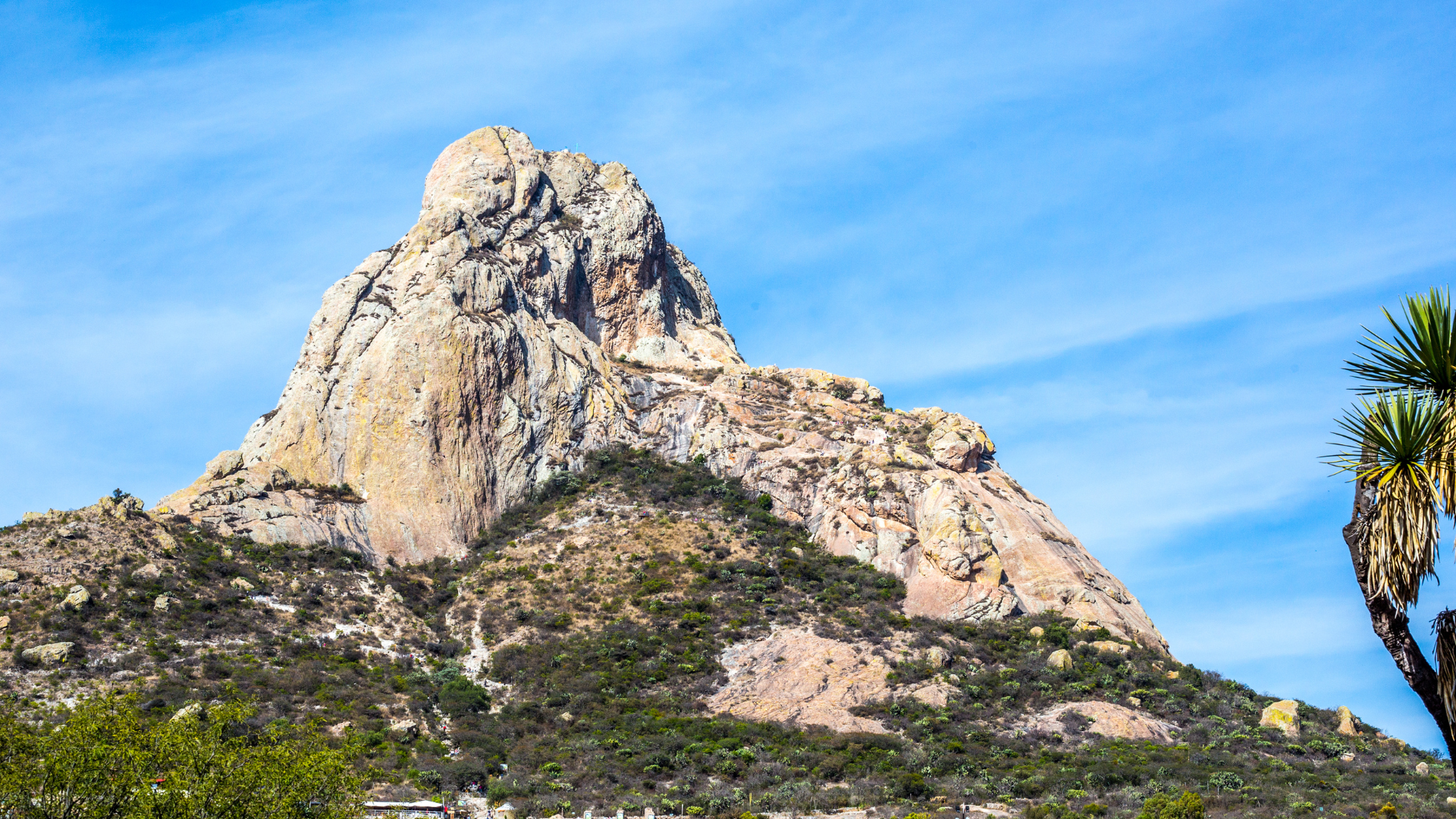
Tequisquiapan offers hot springs, spas, and hot air balloon rides; San Sebastián Bernal is home to the iconic Peña de Bernal, one of the world’s largest monoliths; and Cadereyta features botanical gardens, caves and nearby archaeological sites.
Good to know:
July through September is harvest season, and the region’s short afternoon rains actually work in your favor, they cool things down without derailing plans. This is when most of Querétaro’s wineries hold their own Vendimia celebrations, making it the liveliest stretch to combine wine tastings with the cheese route. Distances between wineries can be long, so a round-trip tour or a designated driver is worth arranging, and reservations are a must since this is a popular weekend destination.
Coahuila
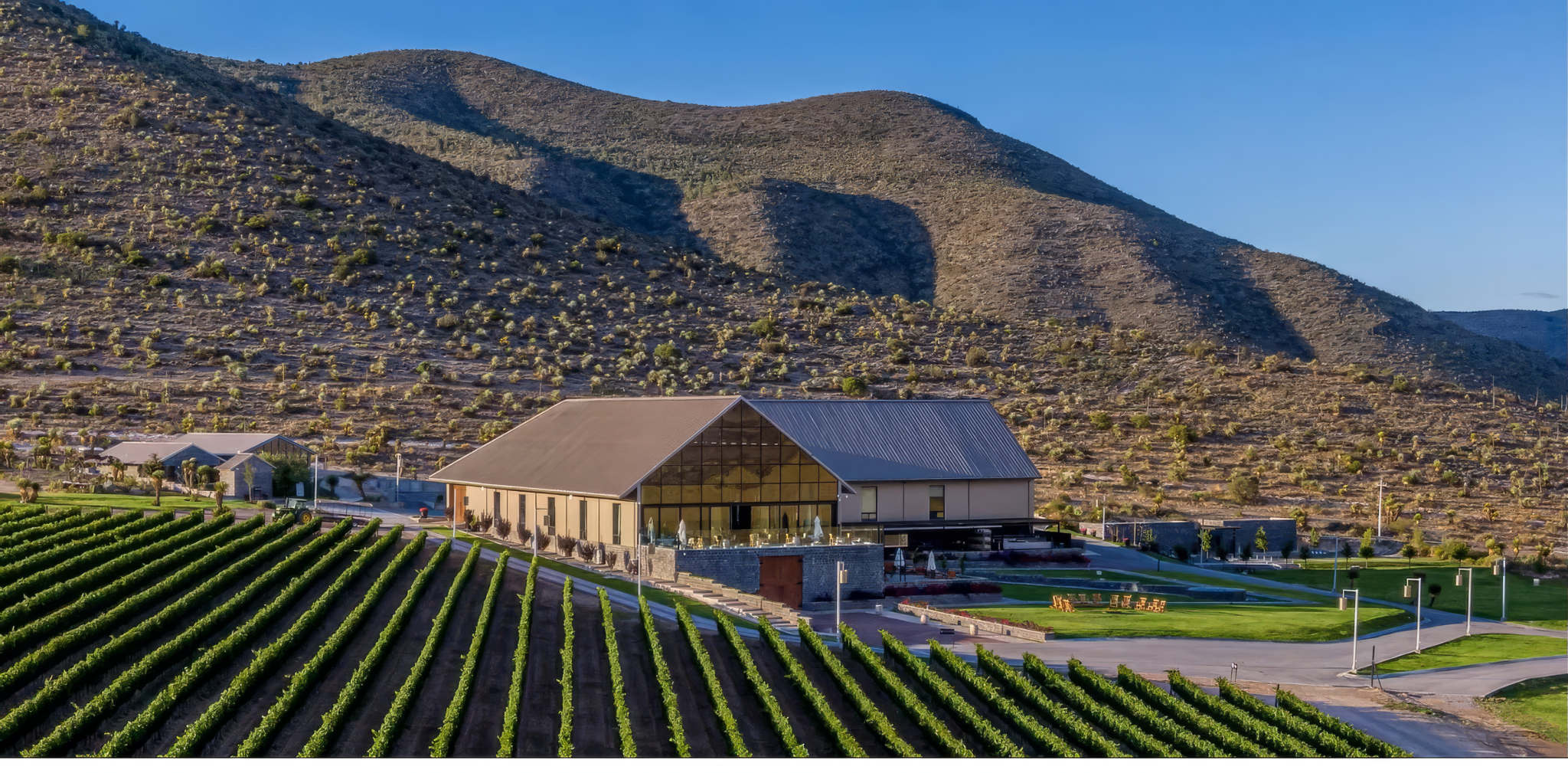
Coahuila is impossible to skip in any conversation about Mexican wine, it’s the birthplace of wine in the Americas. In the Valle de Parras, Casa Madero has been open since 1597, making it the oldest continuously operating winery in North America.
Low humidity and a dry, arid climate protect vines from fungus and pests, while 1,500-meter elevations create ideal terroir for robust reds: Bordeaux-style blends, Cabernet Sauvignon, Shiraz, and Merlot, alongside whites like Chardonnay and Semillón. Nearby, the cooler Valle de Arteaga adds Pinot Noir and Malbec to the mix. Main producing areas across the state include Parras, Arteaga, and Saltillo, where historic wineries and tasting rooms like Bodega Los Cedros offer a rich sense of tradition.
Coahuila Wine Road
Coahuila’s wine route centers on the Valle de Parras, the oldest wine-producing region in the Americas. The experience here goes beyond wine, the region’s signature “Vinos & Dinos” tour pairs vineyard visits with Coahuila’s rich paleontological history.
Wineries to visit:
- Casa Madero, in Parras de la Fuente, the oldest winery on the continent, where reserving a tour of its historic Hacienda San Lorenzo is a must.
- Viñedos Don Leo, known for internationally award-winning wines and sweeping mountain views.
- Bodega Rivero González, a boutique option with a restaurant, bike tours, and personalized tastings.
- Vinícola Parvada, known for its sustainable winery, modern architecture, and standout restaurant.
Good to know:
Most wineries require reservations for tours and tastings. For itinerary planning, guided tours, or an events calendar, the official Vinos y Dinos Coahuila tourism platform is the best resource. Best time to visit is August through October: Casa Madero’s famous Vendimia (harvest festival) takes place in the second half of August, and fall brings pleasant weather for wandering the valley’s historic vineyards and haciendas.
Aguascalientes
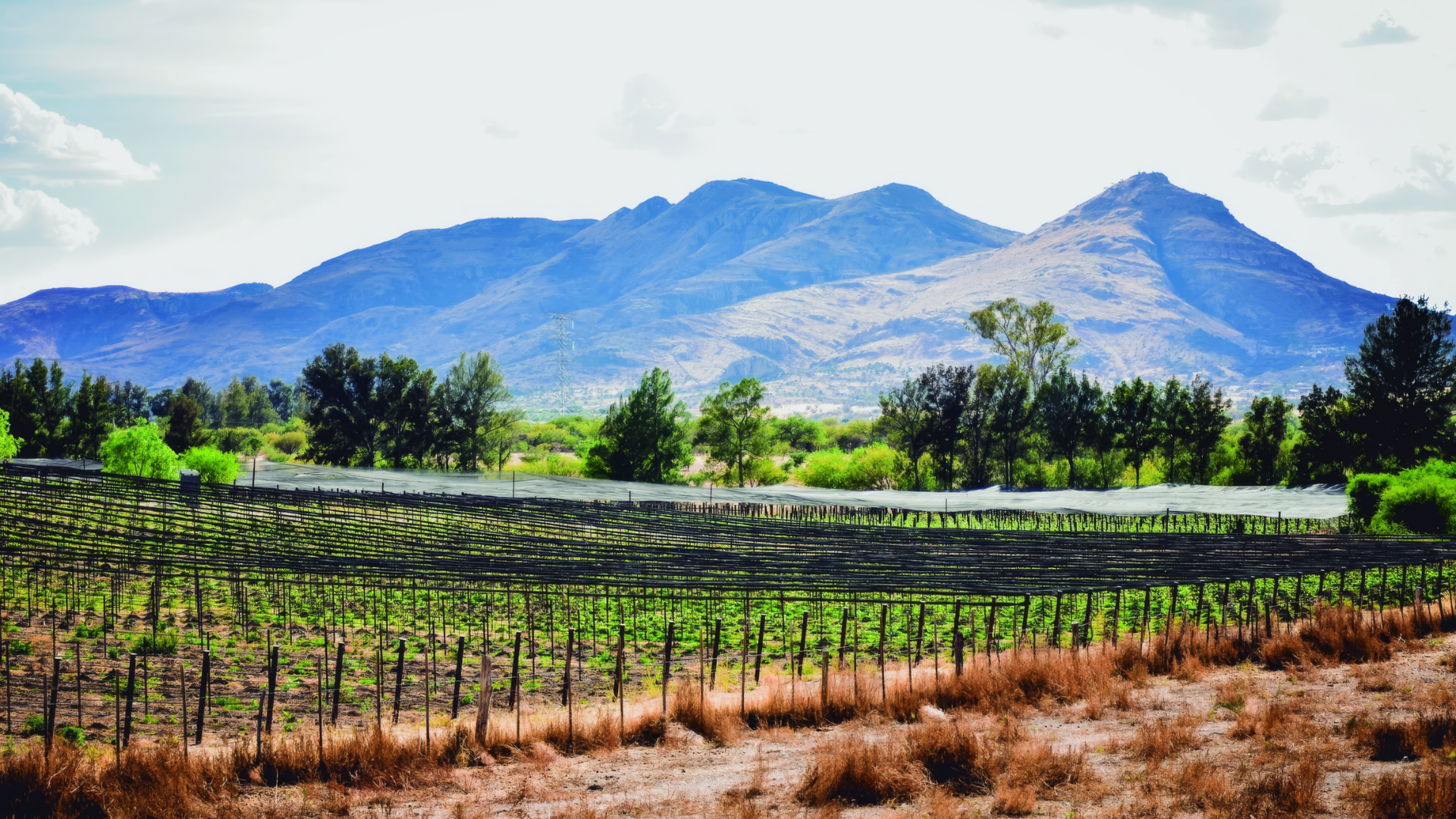
Set on Mexico’s Central Plateau at elevations between 1,800 and 2,200 meters, Aguascalientes has a dry climate with intense daytime sun and cool nights, a temperature swing that allows grapes to ripen slowly and fully, producing wines with strong aromatic intensity, good acidity, and balanced structure. Summers bring heavy rainfall, while soils across the region tend to be light-textured and low in organic matter
Traveling through the state, you’ll spot vineyards everywhere, though most of these grapes are destined for the table, raisins, or brandy rather than wine, and currently only a fraction of the state’s grape production is currently destined for winemaking.
Aguascalientes’ winemaking roots go back to 1575, once again thanks to Catholic missionaries, though the industry saw little development for centuries afterward. Modern winemaking began to take shape in the mid-20th century, when government support helped revive viticulture across the state. Since then, Aguascalientes has developed a reputation for producing both international and Italian grape varieties, including Nebbiolo, which has become one of the region’s standout reds. Today, the region’s altitude, temperate climate, and diverse soils create ideal conditions for balanced wines with vibrant acidity and character.
While much of Aguascalientes’ wine production is still mass-produced, a growing number of boutique wineries like Santa Elena and Origen are putting the region on the map. With that momentum, Aguascalientes may have more long-term growth potential than any other Mexican wine region.
Aguascalientes Wine Road
Aguascalientes’ wine route concentrates around 20 wineries, mostly in the northern part of the state and its Pueblos Mágicos. Tours typically include walks through the vineyards, cellar visits, and tastings paired with local products and with most stops under 30 minutes apart, it’s an easy route to explore in a single day.
Wineries to visit:
- Hacienda de Letras, in Pabellón de Arteaga, known for its colonial setting and extensive wine cellar.
- Viñedos Casa Leal, one of the region’s most established names, known for both wine and spirits.
- Viñedo Cuatro Soles, offering panoramic views along with playful pairing experiences featuring bread, cheese, and cold cuts.
- Vinícola Santa Elena, a boutique project focused on high-end signature wines.
- Bodegas Origen, blending tradition with cutting-edge winery architecture.
Good to know:
During the Feria Nacional de San Marcos, the Pabellón del Vino often showcases many of the state’s wineries. For the wineries, rinvesteservations are recommended, especially during harvest season, and since many wineries sit along the historic Camino Real de Tierra Adentro, a tour or your own vehicle is the most convenient way to get around. Best time to visit is July through September, when the fields turn lush and green and more than 20 wineries host tastings, grape harvests, and food-forward experiences for the Vendimia season.
Guanajuato
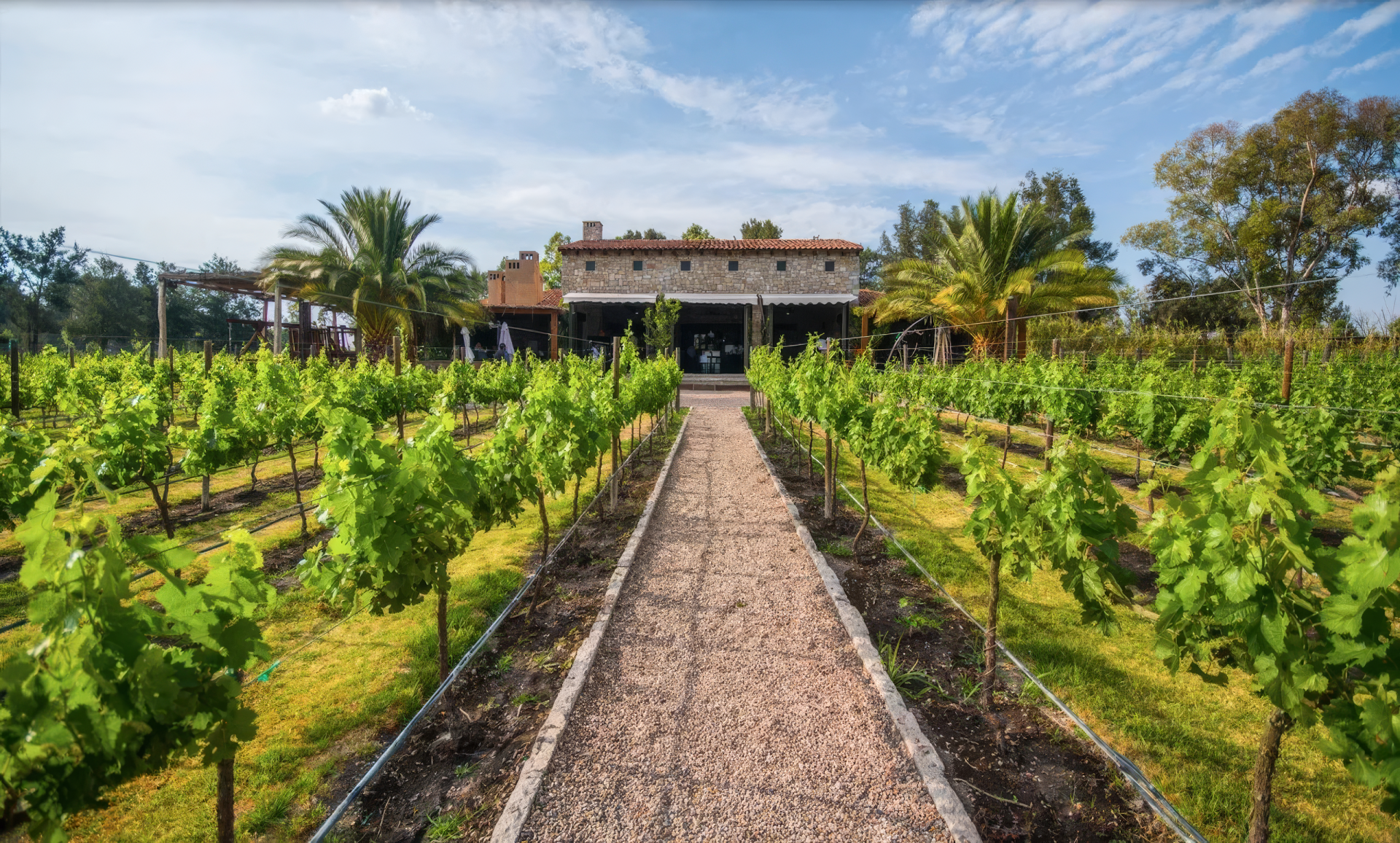
Guanajuato has quietly become one of Mexico’s fastest-growing wine regions, centered in the Bajío near colonial cities like San Miguel de Allende, which sits at roughly 1,900 meters elevation, a key factor in shaping its wines’ character. Production spreads across several municipalities rather than one valley, with San Miguel de Allende leading the way, home to dozens of wineries and hundreds of hectares of vineyards, making it the epicenter of the region’s boutique wine tourism.
The Bajío’s semi-arid climate with summer rains followed by long dry stretches pushes vines to root deep and concentrate energy into fruit rather than foliage. Combined with volcanic soils and elevation, this allows for slow ripening and wines with excellent structure and balanced acidity.
Reds dominate, Cabernet Sauvignon, Merlot, Nebbiolo, Syrah, and Tempranillo lead the way while whites are gaining ground fast, Sauvignon Blanc for its bright acidity and citrus notes, Semillón for body, and Moscato for a fresh, floral option.
The region’s colonial history runs just as deep as its terroir. Guanajuato’s winemaking roots trace back to the priest Miguel Hidalgo, who later led Mexico’s fight for independence and taught locals to grow vines despite a Spanish ban on Mexican wine production. Today, production centers on Dolores Hidalgo, San Miguel de Allende, and San Felipe, where small, artisanal wineries still outnumber large operations, making every visit feel personal.
Guanajuato Wine Road
Guanajuato’s Ruta del Vino, also known as the Valle de la Independencia, has expanded well beyond its traditional core of Dolores Hidalgo, San Miguel de Allende, and Comonfort, now stretching into León, Guanajuato City, San Francisco del Rincón, Purísima del Rincón, Salvatierra, San Felipe, and San Luis de la Paz.
Wineries to visit:
- Viñedos Cuna de Tierra, in Dolores Hidalgo, one of Guanajuato’s pioneering modern wineries, known for its striking architecture set against the semi-desert landscape, with cellar tours, tastings, and paired meals.
- Viñedo San Miguel, just 20 minutes from San Miguel de Allende in Comonfort, known for its artificial lakes, cascading waterfalls, and sweeping views.
- Bodega Dos Búhos, in San Miguel de Allende, a boutique, family-run option specializing in organic and biodynamic wines with sommelier-led tastings.
Good to know:
Best time to visit is September through November, when local harvest celebrations at wineries like Cuna de Tierra and Tres Raíces overlap with Mexico’s Independence Day festivities, a rare chance to pair wine country with some of the country’s biggest cultural celebrations.
More Mexican Wine Regions to Explore
Beyond the top five, wine production stretches into several other Mexican states, each contributing its own emerging or long-standing tradition:
Zacatecas has the most vineyard acreage of any state in Mexico, though most of it is planted for table grapes. Fine wine production is on the rise here, and the region’s high altitude lends itself to fresh, vibrant wines.
Chihuahua, at the country’s northern edge, is home to a smaller but growing wine scene.
Sonora has recently gained recognition for the quality of its wines, emerging as one to watch.
Jalisco, Puebla, San Luis Potosí, and Nuevo León round out the list, each producing wine on a smaller scale but adding to the diversity of Mexico’s expanding wine map.
Raise a Glass to Mexico’s Wine Country
From the 1597 cellars of Casa Madero to the boutique wineries popping up across the Bajío, Mexico’s wine country is proof that this is a story still being written, one harvest at a time. Whether you’re chasing sweeping views and Baja Med plates in Valle de Guadalupe, pairing artisanal cheese with sparkling wine in Querétaro, or wandering colonial streets between tastings in Guanajuato, each region offers its own take on what Mexican wine can be.
So skip the well-worn tequila trail on your next trip south, and let a glass of Mexican Nebbiolo or Cabernet do the talking instead. Pack a designated driver, book those reservations early, and go discover the vineyards, valleys, and family-run bodegas turning Mexico into one of the most exciting and most overlooked wine destinations in the world.

- Abbey