
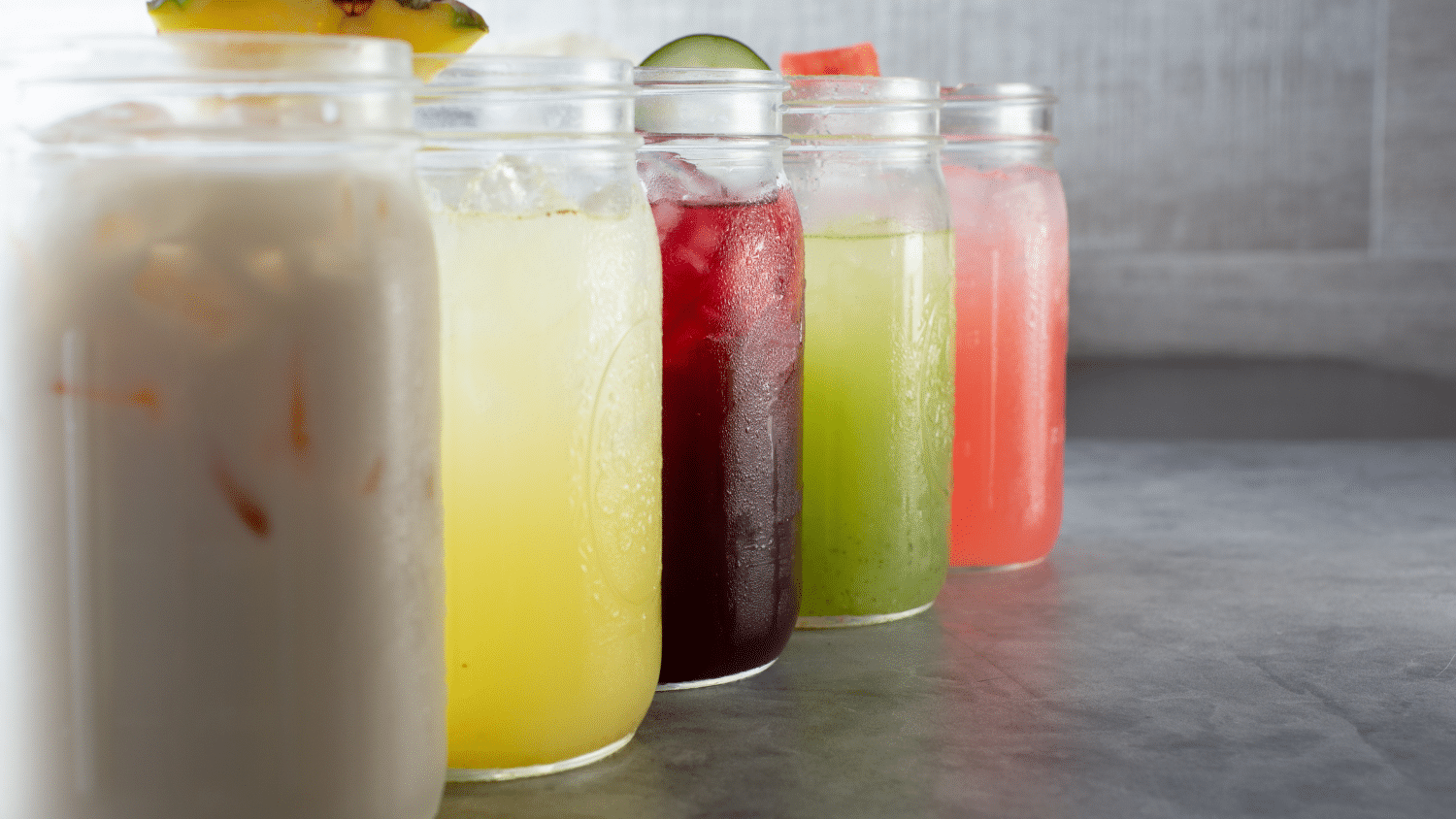
What would a traditional Mexican meal be without a delicious Agua Fresca on the side or a refreshing frozen treat to beat the heat?
The flavor that defines Mexican cuisine often comes from the freshest ingredients of each region, with the exception of essential dried chiles used in salsas and stews. Over time, fruits, vegetables, flowers, seeds, and spices from other parts of the world have found a home in Mexican soil, but it’s the traditional recipes that have helped make them a vital part of modern Mexican culture.
ANCESTRAL REFRESHMENTS
Long before blenders and refrigerators, Mesoamerican civilizations like the Aztecs and Maya were already making refreshing drinks by mixing water from rivers and springs with natural ingredients like cacao, chile, herbs, fruits, and even edible flowers. To sweeten them, they used honey or agave nectar, creating early versions of the flavorful drinks we enjoy today.
These ancient beverages were typically stored in clay pots and kept cool in the earth, using natural methods to preserve freshness in the heat. It’s incredible to think that this tradition of hydration and hospitality has survived for centuries!
One of the most famous drinks of the time was xocolatl — a rich, frothy cacao-based drink reserved for Aztec nobility. While it was usually served warm or at room temperature, there are stories of snow being brought down from distant mountaintops to chill ceremonial drinks for the elite. Talk about first-class service!
Today, aguas frescas are part of everyday life in Mexico, whether served at family meals, street stalls, or celebrations. They’re a beautiful blend of flavor, history, and culture — and a must-try for any visitor looking to truly taste the roots of Mexico.
MEXICO’S FAVORITE AGUAS FRESCAS
Source: canva.com
There’s a huge variety of Aguas Frescas depending on the region and the time of year. In northern Mexico, watermelon and cantaloupe are summer staples. In tropical areas, coconut, soursop (guanábana), pozol, and lime water are must-haves. Elsewhere in the country, popular flavors include strawberry, cucumber, papaya, mango, guava, tangerine, and pineapple.
In Oaxaca’s coastal towns, locals enjoy “agua de chipiona” a drink made from grated lime rind. In Tlaxcala and Querétaro, Agua de Betabel (beetroot water) with banana, peanuts, and apple is prepared during celebrations for the Virgin of Sorrows. In Zacatecas, a variant with orange, called Ensalada de Agua (“Water Salad”), is a local specialty. And in Guadalajara, lemon water with chia seeds is a beloved classic.
Mexican celebrations also influence the flavors of Aguas Frescas. During holidays like Day of the Dead, Independence Day, and Christmas, it’s common to find seasonal flavors that evoke family traditions and nostalgic memories.
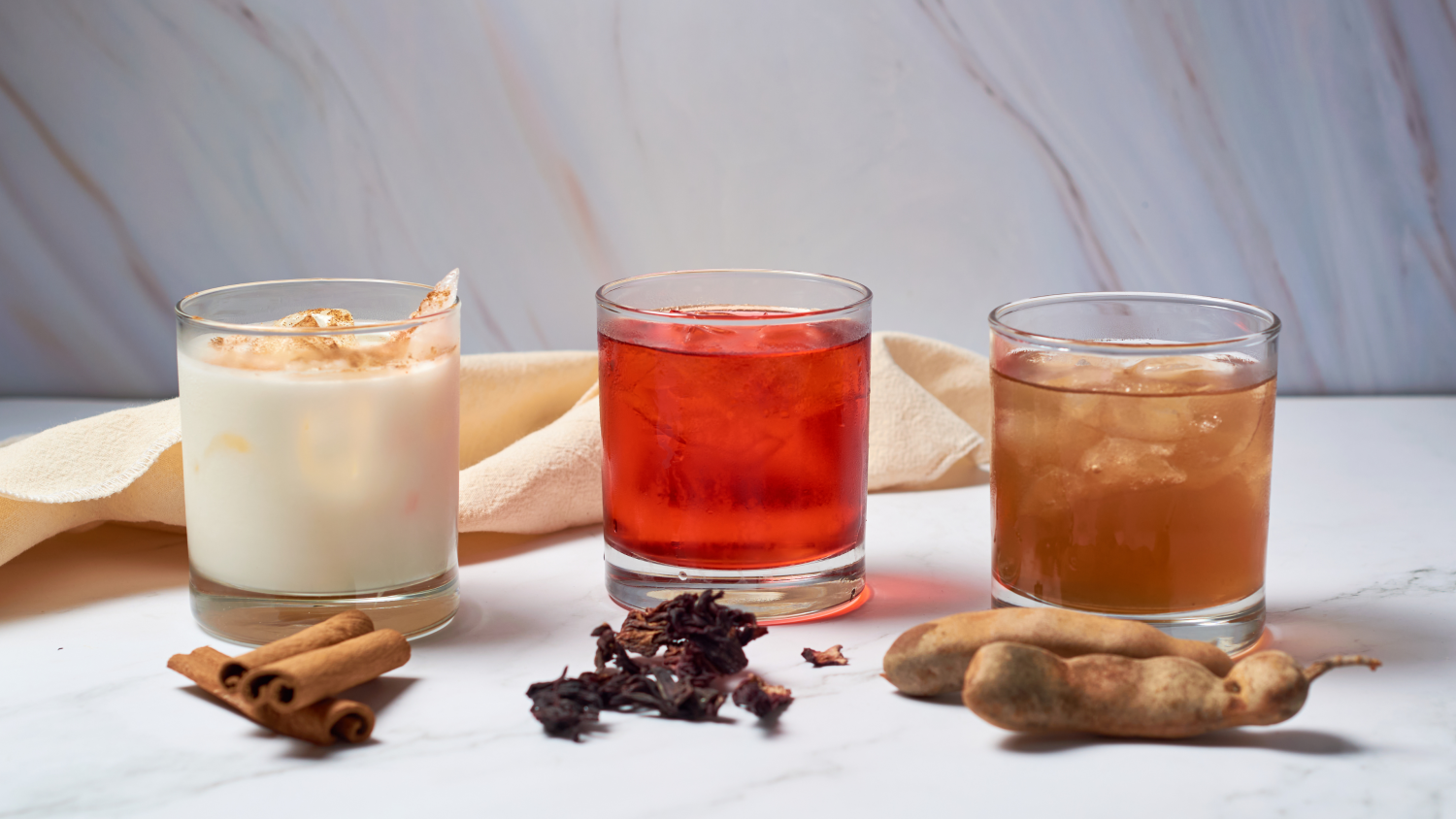
Nowadays, three flavors are absolute must-haves in every Mexican eatery or street food stall across the country:
HORCHATA
Source: canva.com
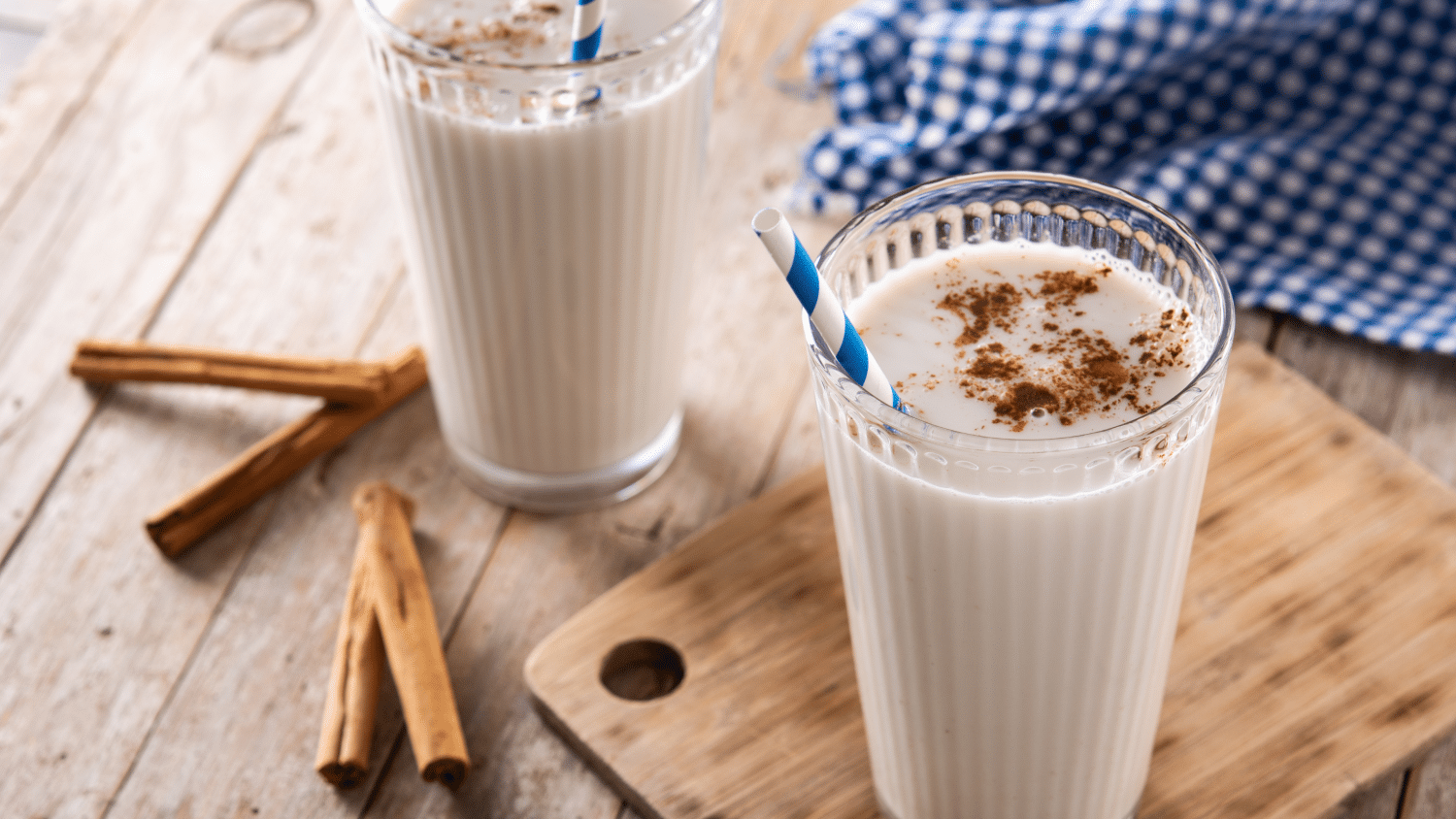
While there are many types of Horchata, the most popular version in Mexico is made with rice, cinnamon, and sugar. Some regional variations include milk and vanilla, but the key ingredient is always soaked and ground rice, served cold in a large glass jar (vitrolero) with ice.
The story of horchata goes back centuries, possibly as far as Ancient Rome, where early versions of grain-based drinks were used for hydration and health. But the drink we know today really began to take shape in medieval Spain, when North African Moors introduced chufa (tigernuts). This led to horchata de chufa, a chilled and nutty drink still popular in Valencia.
When Spanish settlers brought the recipe to the Americas in the 1500s, it was transformed using local ingredients. In Mexico, rice became the star, while in countries like El Salvador and Guatemala, you’ll find horchatas made with seeds, nuts, or even cacao.
Horchata pairs wonderfully with all kinds of Mexican food, but it especially shines with spicy dishes. The milk helps cool your palate, making it the perfect match for fiery tacos al pastor loaded with salsa!
JAMAICA
Source: canva.com
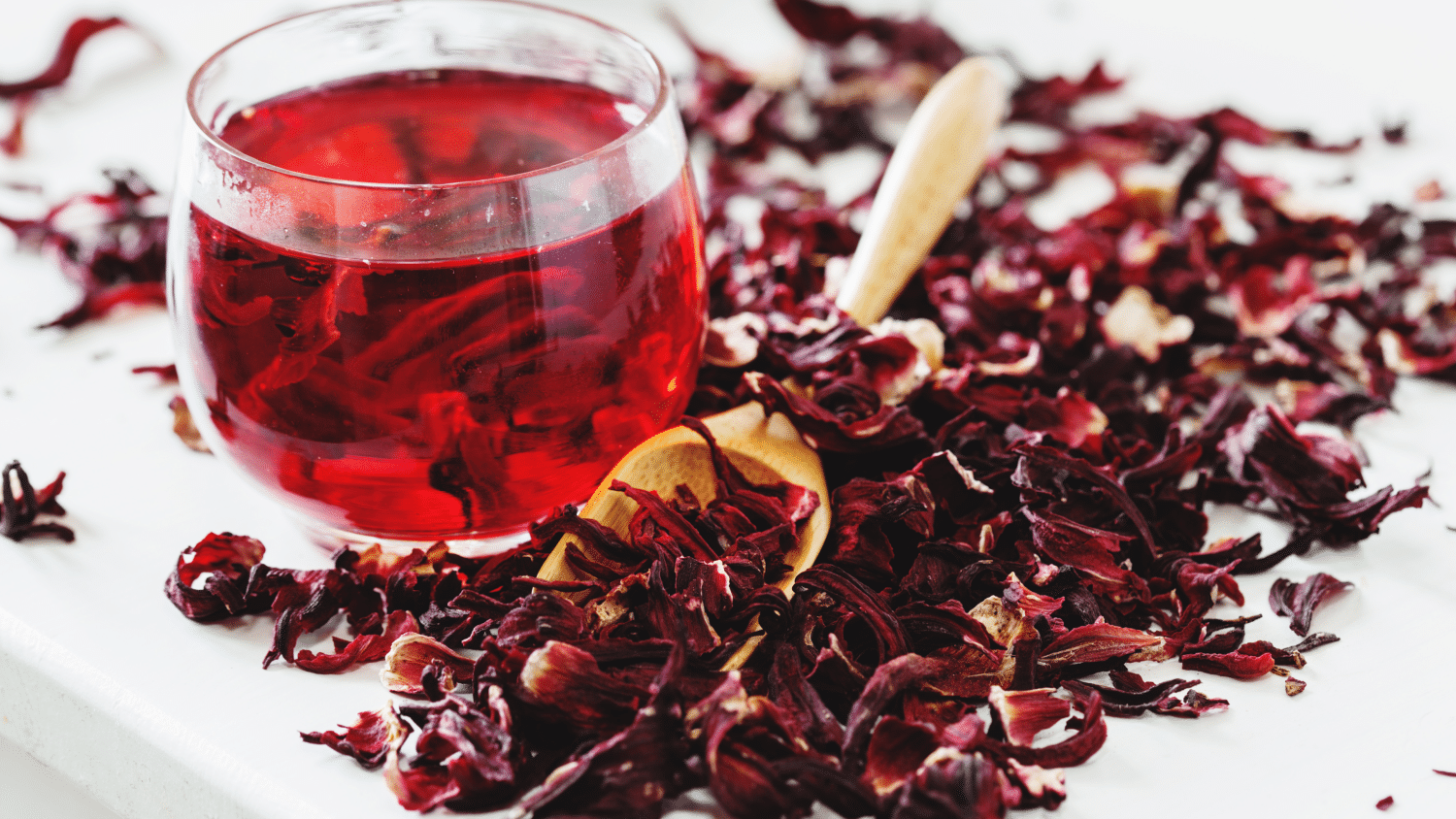
Though hibiscus (Hibiscus sabdariffa) isn’t native to Mexico — it originally comes from tropical Africa — it was introduced during the colonial era, likely via the Manila Galleon trade route, which connected the Philippines to the port of Acapulco. From there, it became deeply rooted in Mexican food culture.
Besides its vibrant color and tangy flavor, jamaica is known for its antioxidant content and gentle diuretic properties. It also contains small amounts of vitamin C, iron, and calcium, making it a flavorful and functional drink, especially in the heat.
And it doesn’t stop at the glass — the rehydrated hibiscus petals are often used in vegetarian tacos, quesadillas, jams, and even natural dyes. Creative chefs are also turning them into cakes, wines, and more. It’s a great example of how Mexican cuisine transforms every ingredient into something both delicious and meaningful.
TAMARINDO
Source: canva.com
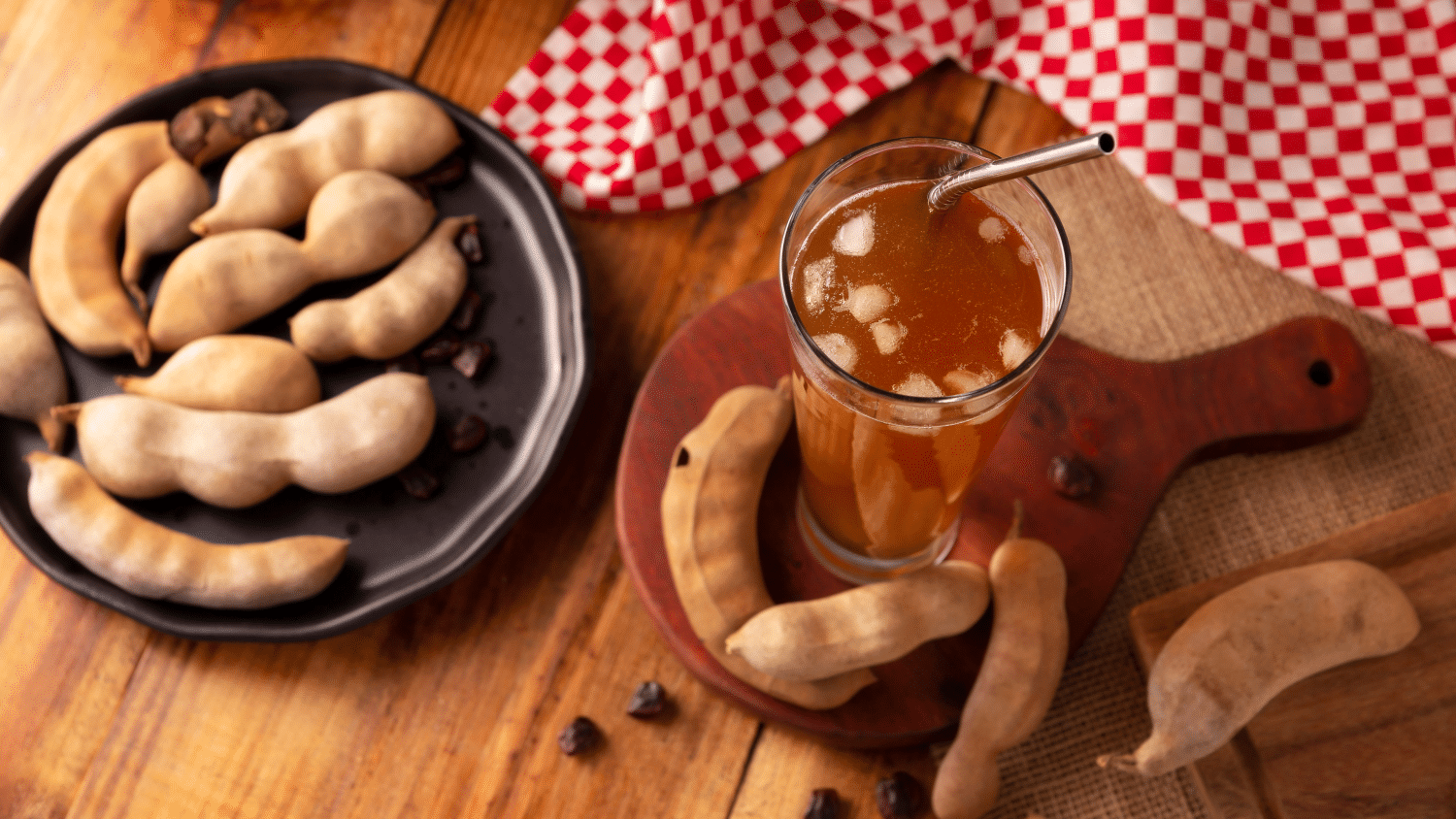
With its bold sweet-and-sour flavor, tamarindo is one of the most beloved ingredients in Mexican kitchens. While the tamarind tree originally comes from Africa, it found its way to Asia and eventually to Mexico, where it thrives in tropical states like Guerrero, Oaxaca, Chiapas, Michoacán, and Yucatán.
Tamarind pulp is famously used to make spicy candies (a favorite among Mexican kids), flavor-packed sauces, and even tamarind margaritas. But one of the most refreshing ways to enjoy it is in agua de tamarindo — a sweet, tangy drink made by boiling peeled tamarind pods, removing the seeds, and blending the softened pulp with water and sugar. It takes a little more effort than other aguas frescas, but the result is totally worth it.
Beyond its bold taste, tamarind has a long history in traditional medicine. People have used its leaves, seeds, and pulp for various remedies — from soothing sore throats to helping digestion or cooling down a fever. While modern science is still studying these benefits, there’s no denying that tamarind is one of nature’s most versatile (and delicious) gifts.
PALETAS DE HIELO: A FROZEN TREAT

Source: Eating With Carmen Food Tours
Mexican popsicles have been a cherished part of family life for generations. But the real paleta boom began in the 1940s in Tocumbo, Michoacán, where local families started selling a wide variety of frozen flavors, earning the town its title as the birthplace of this cool tradition.
In towns and cities across Mexico, you’ll see paleteros pushing their colorful carts through neighborhoods, offering joy one paleta at a time. You’ll also find countless small shops on street corners selling refreshing frozen treats to help beat the heat.
Today’s paletas come in endless combinations made with water, milk, or cream, and loaded with fruits like strawberries, mango, shredded coconut, lime, or mamey. Some even include cookies, pistachios, or chocolate chips.
They’re the perfect way to cool down on a hot afternoon!

Source: Eating With Carmen Food Tours
Aguas Frescas and Paletas de Hielo are as much a part of Mexican culture as tacos and mariachis. At Eating with Carmen Food Tours, we know you simply can’t miss the chance to try them! That’s why they’re always featured in our tours, whether you’re with us in the Riviera Maya, Mexico City, or Los Cabos.
Don’t miss your chance to experience all the Traditional Mexican flavours guided by local foodies!
–Abbey