
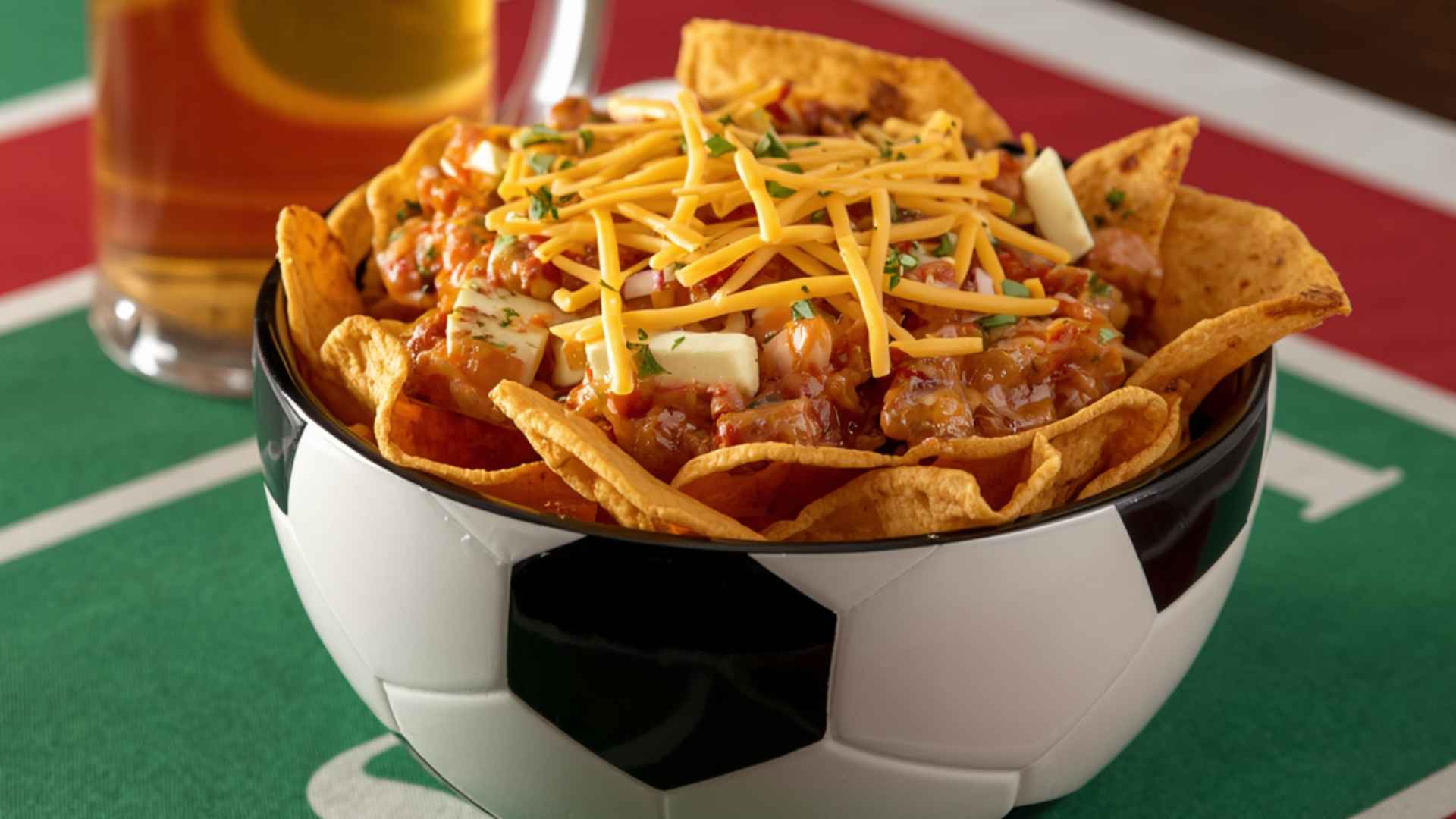
Every four years, the FIFA World Cup does something remarkable: it gathers the entire planet around a single shared passion. But while billions watch the game unfold on the pitch, there is another kind of spectacle happening in the kitchens, street stalls, and family tables of each host nation. Food, like football, is a universal language, and the countries chosen to welcome the world have each brought their own extraordinary culinary traditions to the global stage.
From the smoky churrascarias of Brazil to the aromatic spice markets of Qatar, from the hearty borscht bowls of Russia to the taco stands that line every corner of México, this is a journey through the flavours of every recent and upcoming World Cup host.
México 2026 – Co-Host
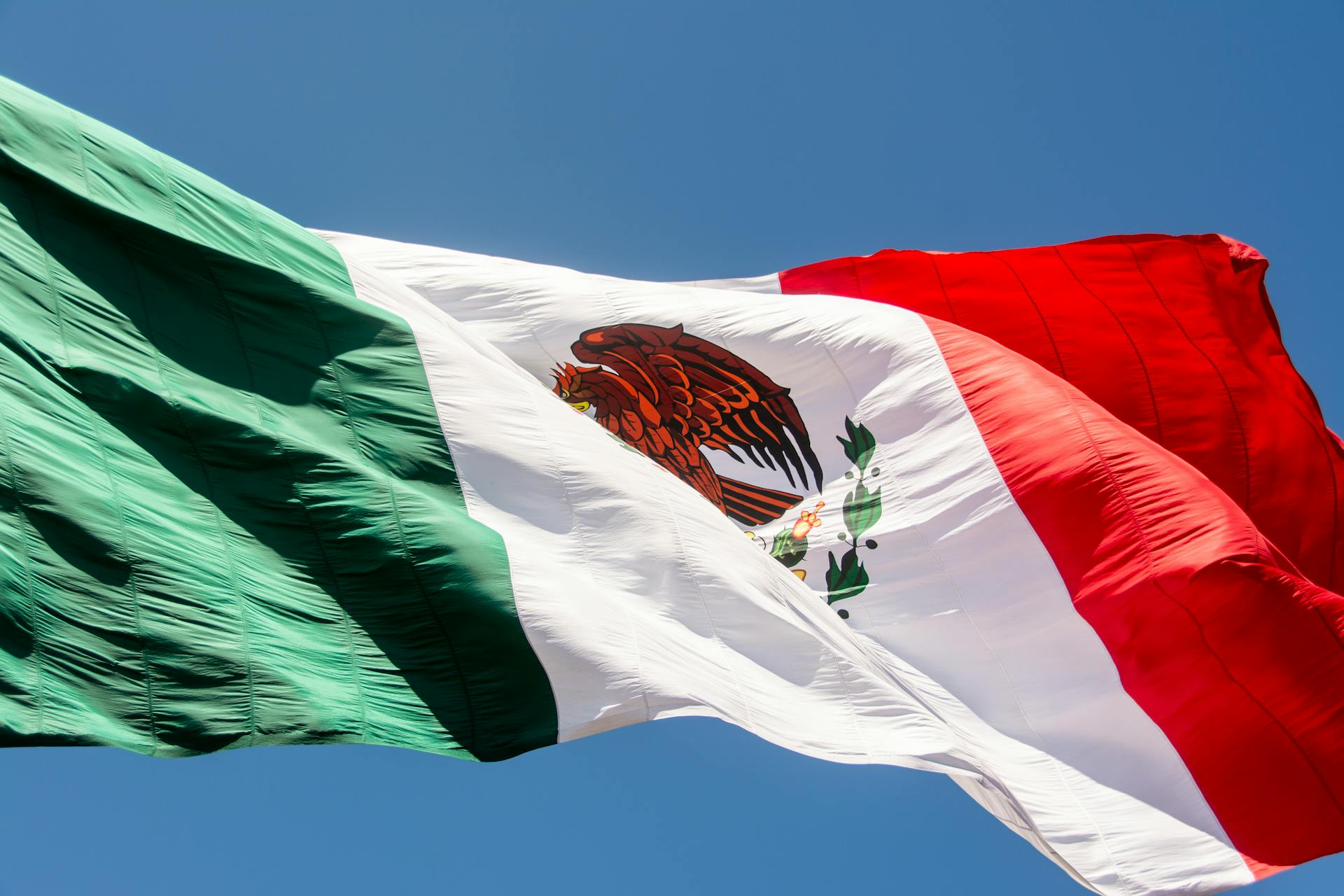
Photo by Jan van der Wolf
Ancient Flavours, Living Traditions
México’s cuisine was among the first national culinary traditions to be inscribed on UNESCO’s Intangible Cultural Heritage list. This is food with a 3,000-year history, rooted in ancient Mesoamerican civilizations and enriched by European, African, and global influences. Complex, layered, and extraordinarily diverse, Mexican food is unlike anything else on earth.
Must-Try Dishes:
Tacos: The taco is México’s ultimate democratic food, endlessly varied, available at every price point, and always satisfying. From the crispy carnitas taco (slow-braised pork) to the humble taco de canasta (basket taco filled with beans or potatoes), from al pastor (marinated pork carved from a vertical spit and often served with pineapple) to carne asada. The taco universe is vast and magnificent.
Mole: Mole is México’s most complex and revered sauce, a labour of love that can take days to prepare. Mole negro from Oaxaca may contain over 30 ingredients: dried chillies, chocolate, tomatoes, spices, nuts, and charred tortilla, all ground together and slow-cooked into something transcendent. Served over turkey or chicken, it is México’s most ceremonial dish.
Chiles en Nogada: México’s most patriotic dish: fresh poblano chillies stuffed with a fragrant mixture of ground meat, dried fruit, and spices, topped with a creamy walnut sauce (nogada) and garnished with pomegranate seeds and parsley, mirroring the green, white, and red of the Mexican flag. Made in late summer with seasonal ingredients, it is edible art.
Pozole: A ceremonial soup with deep pre-Hispanic roots made from hominy (dried maize kernels), slow-simmered with pork or chicken in a rich chilli broth, garnished with shredded cabbage, radishes, oregano, tostadas, and lime. Pozole rojo (red) and blanco (white) are both masterpieces of Mexican comfort cooking.
Tamales: Made from masa (corn dough) filled with meat, cheese, chillies, or mole, then wrapped in corn husks or banana leaves and steamed, tamales are an ancient food dating back thousands of years. Made communally at celebrations, they are as much about the ritual of making them together as they are about eating them.
If your stay in Mexico City is limited and you don’t know where to go to try the most traditional bites, try booking a traditional Mexican food experience with Eating With Carmen Food Tours, where you can explore Coyoacán and its market, El Zócalo, or Mercado de San Juan while tasting these and many more local specialties guided by a local food expert.
United States 2026 – Co-Host

Photo by mohamadreza chz
A Nation Built at the Table
The United States will co-host the 2026 FIFA World Cup alongside Mexico and Canada. American food defies a single definition; it is a living, breathing mosaic of every culture that has ever called this country home. From the Deep South to the Pacific Northwest, from Tex-Mex borderlands to New England clam shacks, American cuisine is the world on a plate.
Must-Try Dishes:
BBQ Ribs & Brisket: American barbecue is a religion, and every region has its own denomination. Texas is devoted to slow-smoked beef brisket; Kansas City reigns with sticky, sauced ribs; the Carolinas worship whole-hog with vinegary slaw on the side; and Memphis dry-rubs its ribs to perfection. Low, slow, and wood-smoked, this is America’s greatest culinary art.
The Hamburger: America’s most globally recognized food, the hamburger was elevated from humble beginnings to an icon of pop culture and culinary craft. At its best, thick, juicy beef on a brioche bun with good cheese, pickles, and a smear of special sauce, it is genuinely great food.
Clam Chowder: New England’s creamy, potato-laden clam chowder is a culinary hug. Made with fresh clams, cream, potatoes, and chunks of smoked bacon, it is often served with oyster crackers or crusty bread and tastes like the Atlantic coast.
Gumbo: Louisiana’s great gift to American gastronomy, gumbo is a deeply flavoured stew built on a slow-cooked roux, the “holy trinity” of onion, celery and bell pepper, okra, and a combination of seafood, sausage, or chicken. It is one of the most complex and rewarding dishes in the American South.
Apple Pie: No dish is more symbolically American than apple pie, tender, cinnamon-spiced filling encased in a flaky butter crust. Made from scratch, served warm with a scoop of vanilla ice cream, it is a taste of home for millions.
Canada 2026 – Co-Host

Photo by Jared VanderMeer
Wild, Maple-Kissed and Wonderfully Multicultural
Canada’s role as a 2026 co-host introduces the world to a cuisine that is simultaneously rustic and cosmopolitan. With one of the world’s highest rates of immigration and a vast wilderness that provides extraordinary natural produce, wild salmon, game, maple syrup, and prairie wheat, Canadian food is quietly world class.
Must-Try Dishes:
Poutine: Quebec’s greatest culinary contribution to the world and undeniably Canada’s most iconic dish, poutine is a glorious heap of hand-cut fries topped with fresh cheese curds and smothered in rich, steaming brown gravy. The curds squeak as you bite into them. It is indulgent, unpretentious, and completely irresistible.
Butter Tarts: A quintessentially Canadian pastry: flaky short-crust tart shells filled with a gooey, sweet, slightly runny mixture of butter, sugar, eggs, and syrup, sometimes studded with raisins or pecans. Fiercely debated (raisins or no raisins?), endlessly loved.
Tourtière: This traditional Québécois meat pie made with ground pork, veal, or game, spiced with cloves, cinnamon, and allspice, has been baked in French-Canadian kitchens since the 17th century. Served at Christmas and New Year’s, it is a deeply comforting, historic dish.
Wild Pacific Salmon: British Columbia’s wild salmon, sockeye, chinook, and coho are among the finest fish in the world. Poached, cedar-planked, smoked, or cured, they represent the best of Canada’s extraordinary natural larder and its deep Indigenous culinary heritage.
Nanaimo Bars: This no-bake layered dessert from British Columbia is a Canadian institution: a cocoa-coconut-walnut base, a layer of custard-flavoured buttercream, and a thin shell of dark chocolate on top. Rich, sweet, and entirely Canadian.
Qatar 2022

source: canva.com
Where Ancient Spice Routes Meet Modern Luxury
Qatar’s 2022 World Cup was the first to be held in the Middle East and the Arab world, a landmark moment. Qatari cuisine, rooted in Bedouin traditions and enriched by centuries of trade along the Persian Gulf spice routes, is aromatic, generous, and deeply hospitable. In Qatari culture, feeding a guest is an act of honour.
Must-Try Dishes:
Machboos: Qatar’s national dish is a fragrant one-pot wonder of long-grain basmati rice slow-cooked with tender lamb or chicken, dried limes (loomi), saffron, rose water, and a warming blend of baharat spices. The result is layered, perfumed, and utterly satisfying, the centrepiece of any Qatari gathering.
Harees: A dish of ancient origins, harees is made by slow-cooking wheat and meat together for hours until they meld into a smooth, porridge-like consistency. Drizzled with clarified butter and eaten with a spoon, it is simple, nourishing, and profoundly traditional, especially during Ramadan and Eid.
Balaleet: A beloved Qatari breakfast dish: sweet, saffron-scented vermicelli noodles served alongside or beneath a savoury omelette. The contrast of sweet and savoury is distinctly Gulf and absolutely addictive.
Khabeesa: A traditional dessert made from toasted whole wheat flour, butter, sugar, saffron, cardamom, and rose water, forming a dense, fragrant halva-like sweet. Served warm at celebrations, it is a taste of Qatari heritage.
Luqaimat: Golden crispy dough balls often compared to doughnuts, fried until crunchy outside and soft within, then drizzled with date syrup and sesame seeds. They are sold by street vendors and served at iftar (the Ramadan fast-breaking meal).
Russia 2018
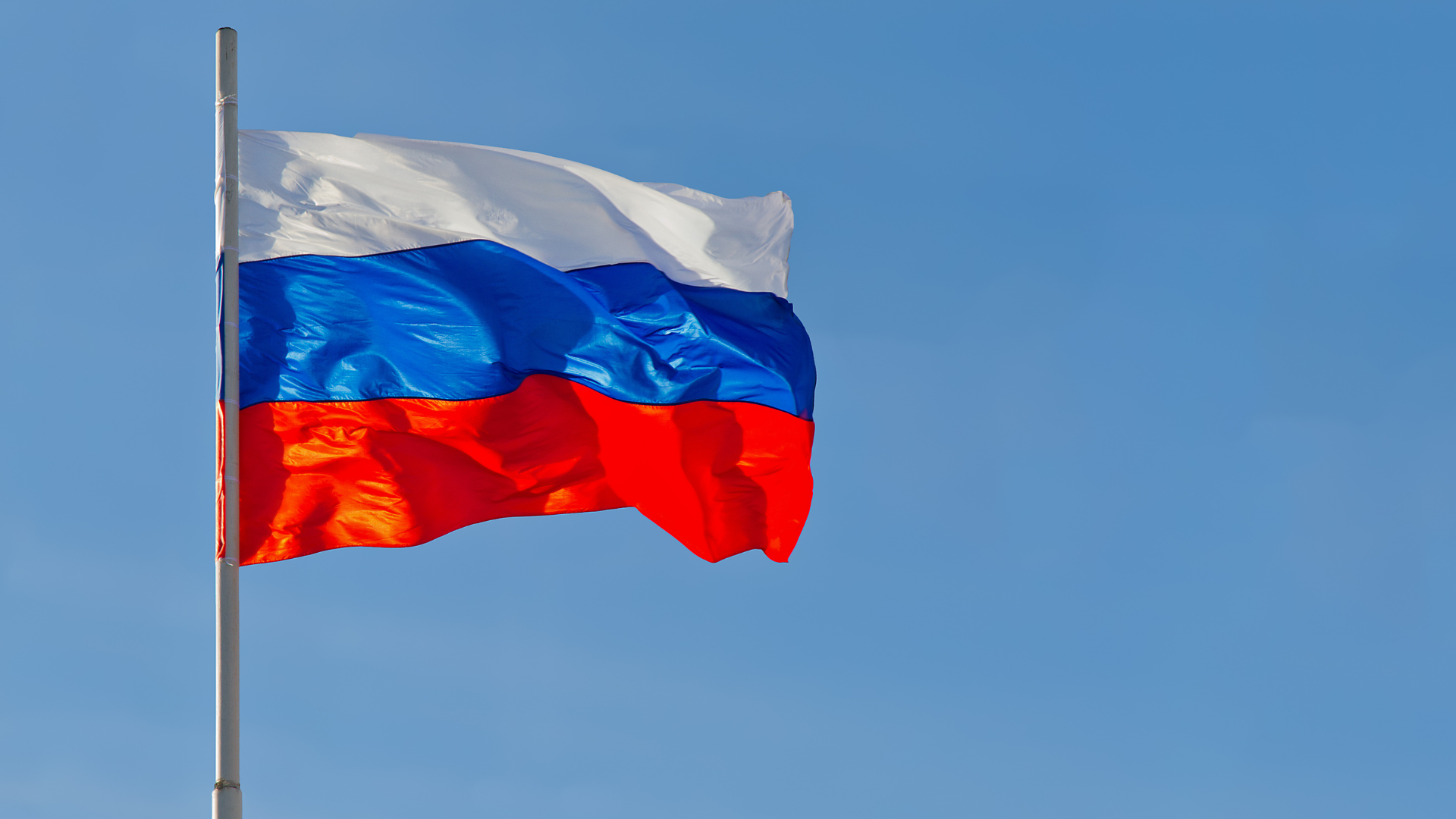
source: canva.com
Hearty Flavours From a Vast Landscape
Russia’s 2018 World Cup was staged across 11 cities spanning six time zones, a reminder of just how immense this country is. Russian cuisine, shaped by brutal winters and agricultural traditions, is hearty, warming, and deeply satisfying. It is food designed to sustain, and it does so magnificently.
Must-Try Dishes:
Borscht: One of the region’s most iconic soups, borscht is deeply associated with Eastern European culinary traditions and widely enjoyed across Russia and neighbouring countries. Slow-cooked with cabbage, carrots, potatoes, onion, and beef or pork, it is served with a generous dollop of smetana (sour cream) and a hunk of rye bread. Every family has their own recipe, and every version is considered the definitive one.
Pelmeni: These small, hand-folded dumplings filled with a mixture of minced pork, beef, and onion are perhaps the ultimate Russian comfort food. Boiled and served with butter and sour cream, they are simple, satisfying, and deeply nostalgic for every Russian.
Blini: Russia’s iconic thin pancakes have been made for over a thousand years. Served as a street snack or elegant starter, blini come topped with caviar and crème fraîche, smoked salmon, jam, or honey. During Maslenitsa (Butter Week), they are eaten in extraordinary quantities.
Beef Stroganoff: One of Russia’s great culinary exports, Stroganoff features tender strips of beef sautéed with onions and mushrooms in a rich sour cream sauce. Named after the aristocratic Stroganov family, this 19th-century dish remains a staple of Russian home cooking.
Olivier Salad: : No Russian New Year or celebration is complete without Olivier, a hearty mix of boiled potatoes, carrots, eggs, pickles, peas, and either bologna sausage or chicken, all bound together with mayonnaise. It is Russia’s beloved party dish.
Brazil 2014
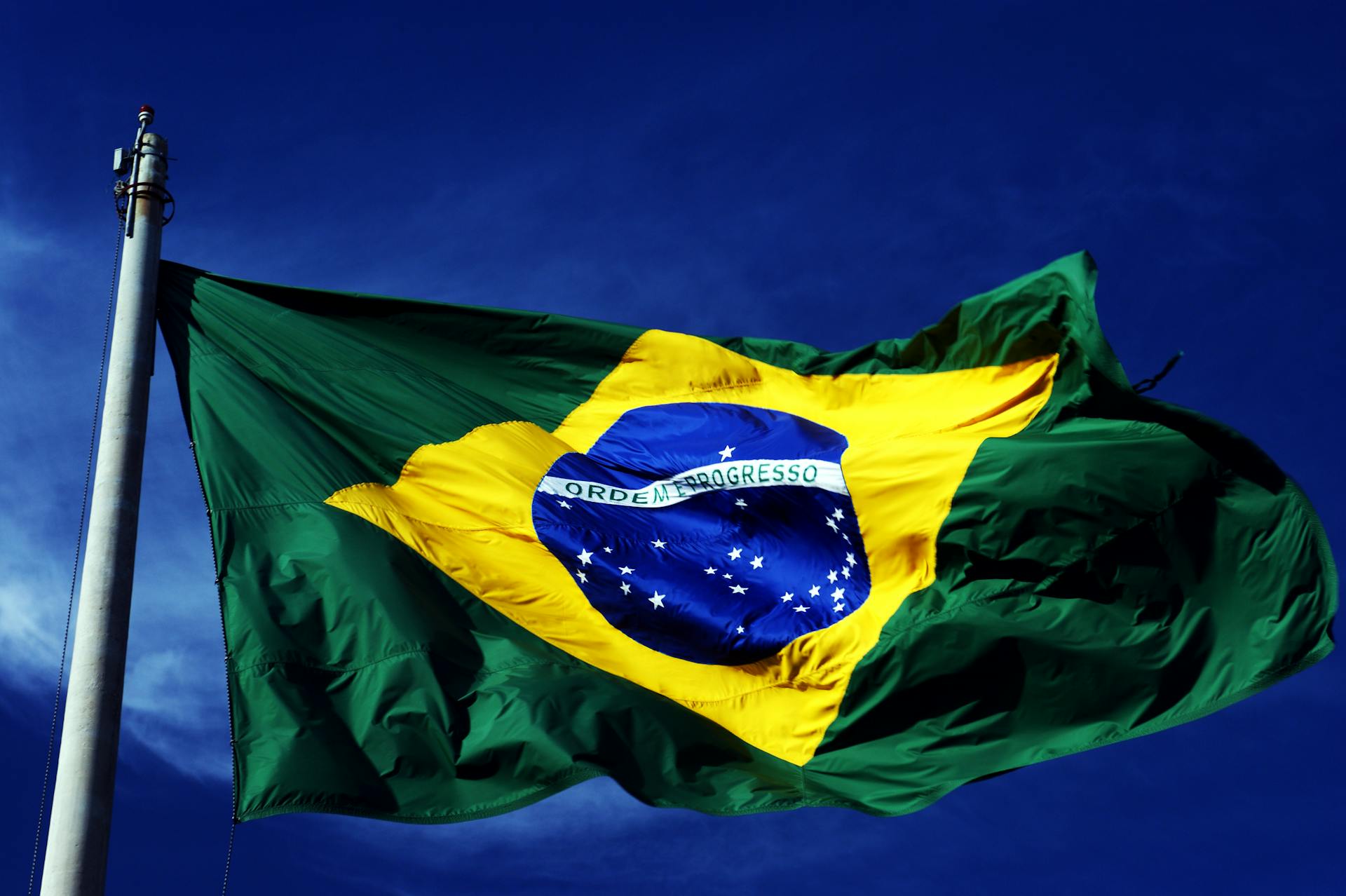
Photo by Marcello Sokal
The Soul of South American Cuisine
Brazil hosted the 2014 FIFA World Cup across 12 cities, and its cuisine is as vast and diverse as the country itself, a vibrant fusion of Indigenous, Portuguese, African, and immigrant influences. Brazilian food is bold, joyful, and generous, much like the people who make it.
Must-Try Dishes:
Feijoada: Brazil’s beloved national dish is a rich, slow-cooked stew of black beans and a medley of pork cuts, salted beef, smoked sausage, and ribs — served with white rice, farofa (toasted cassava flour), collard greens, and sliced orange. Traditionally eaten on Saturdays, feijoada is a communal experience that draws the whole family to the table.
Churrasco: Brazilian barbecue is an art form. Skewers of beef, pork, lamb, and chicken hearts are slow-roasted over charcoal and served tableside in all-you-can-eat rodízio restaurants. The picanha (rump cap) is the star cut, perfectly seasoned with coarse salt and seared to a smoky, juicy perfection.
Pão de Queijo: These irresistible little cheese bread balls are made with tapioca flour, giving them a uniquely chewy texture with a golden, crispy exterior. Found in bakeries, cafés, and roadside stops across the country, they are the ultimate Brazilian snack.
Moqueca: A fragrant seafood stew from the coastal states of Bahia and Espírito Santo, simmered in coconut milk, dendê (palm oil), tomatoes, onions, garlic, and coriander. Served in a traditional clay pot, it is one of Brazil’s oldest and most celebrated dishes.
Açaí na Tigela: Long before açaí became a global superfood trend, Brazilians were blending this thick, creamy Amazonian berry into bowls topped with granola, sliced banana, and honey. In the Amazon region, açaí is a staple food eaten with fish and farinha.
Brazilian cuisine reflects a country of contrasts: the rustic and the refined, the everyday and the festive. To eat in Brazil is to understand its soul.
South Africa 2010

Photo by Ubuntu Images
Where Cultures Meet Around the Fire
South Africa made history in 2010 as the first African nation to host the FIFA World Cup. Its cuisine is equally historic, a kaleidoscope of Zulu, Xhosa, Cape Malay, Dutch Afrikaner, Indian, and British influences, all fused into something entirely and wonderfully South African.
Must-Try Dishes:
Braai: If there is one tradition that unites all South Africans across language and culture, it is the braai, an open-fire barbecue that is practically a national institution. Boerewors (a spiced coiled sausage), lamb chops, chicken, and sosaties (marinated meat skewers) are grilled over wood coals and enjoyed with friends and cold beer.
Bobotie: Considered South Africa’s national dish, bobotie is a Cape Malay classic, a spiced minced meat (beef or lamb) bake laced with curry powder, dried fruit, and almonds, topped with a silky egg custard and baked until golden. Served with yellow rice and chutney, it is sweet, savoury, and utterly unique.
Biltong: This dried, cured meat, typically beef or game, is South Africa’s answer to jerky, though it has its own distinct texture and flavour profile. Seasoned with coriander, pepper, and vinegar, then air-dried to a deep, concentrated savouriness, biltong is ubiquitous at sporting events and petrol stations alike.
Bunny Chow: Born in the Indian community of Durban, bunny chow is a hollowed-out loaf of white bread filled with fragrant curry, mutton, chicken, or bean. It is a street food masterpiece: filling, affordable, and absolutely delicious.
Malva Pudding: This sticky, spongy baked dessert made with apricot jam is smothered in a rich cream sauce while still hot from the oven. Served with custard or vanilla ice cream, malva pudding is the ultimate South African comfort food.
The FIFA World Cup is the world’s greatest sporting gathering, but as we have seen, it is also the world’s greatest food tour. From the charcoal-grilled churrasco of Rio de Janeiro to the saffron-scented machboos of Doha, from Russian pelmeni to Canadian poutine, each host nation offers an invitation not just to watch football, but to sit at the table and share in something deeper: culture, history, and the universal human joy of a great meal.
Whether you are travelling to the 2026 World Cup in Mexico, the United States, or Canada or simply dreaming from your armchair, we hope this guide inspires you to explore these extraordinary culinary traditions. The world is delicious. Go taste it.
-Your Evrywhere-Local Foodie,
- Abbey