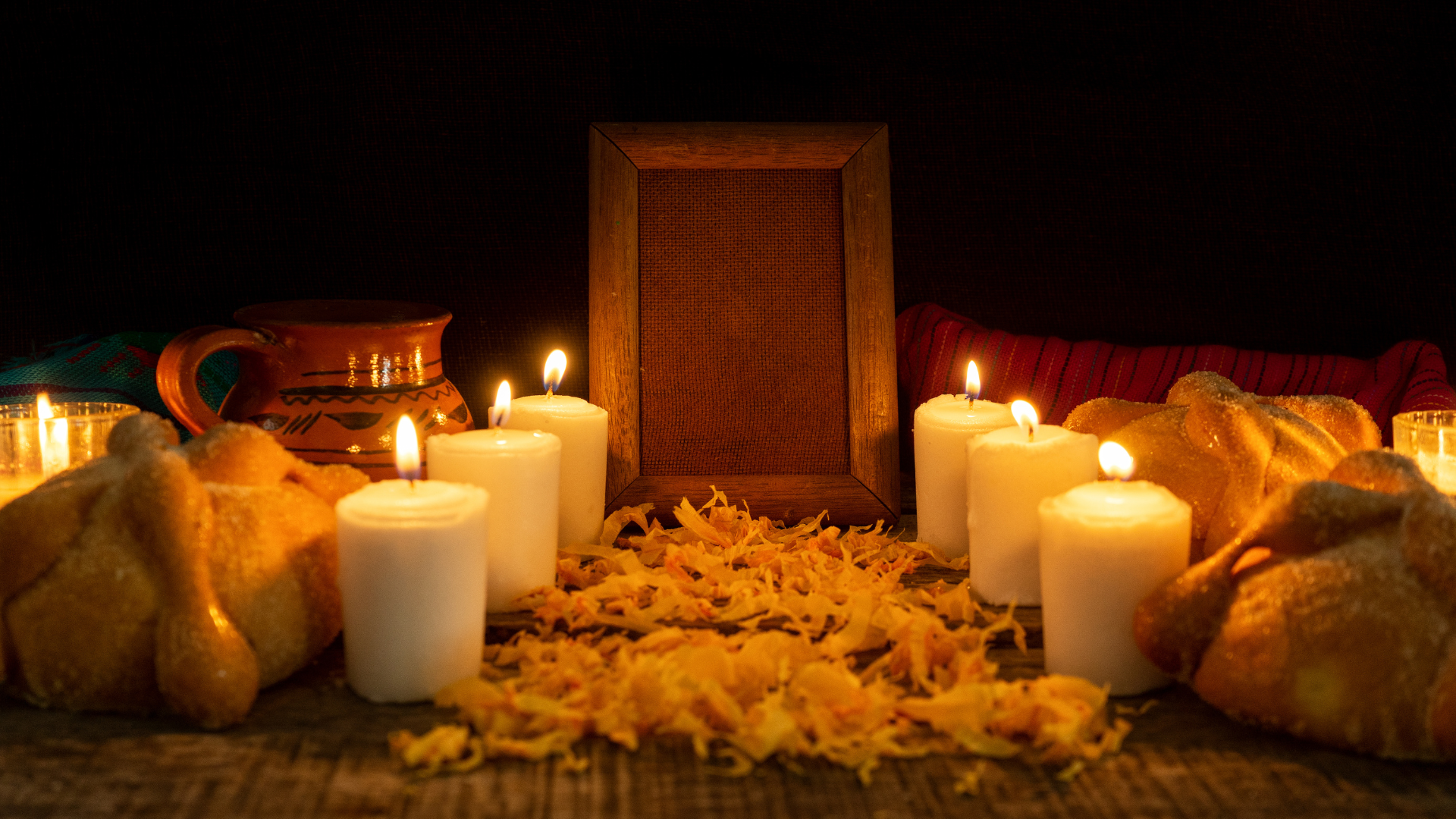
As the autumn breeze begins to cool the air, Mexico prepares for one of its most colorful and heartfelt celebrations: Día de Muertos or Day of the Dead. Far from being a somber event, this vibrant tradition is a joyful, spiritual homecoming for the souls of loved ones who have passed away.
Source: canva.com
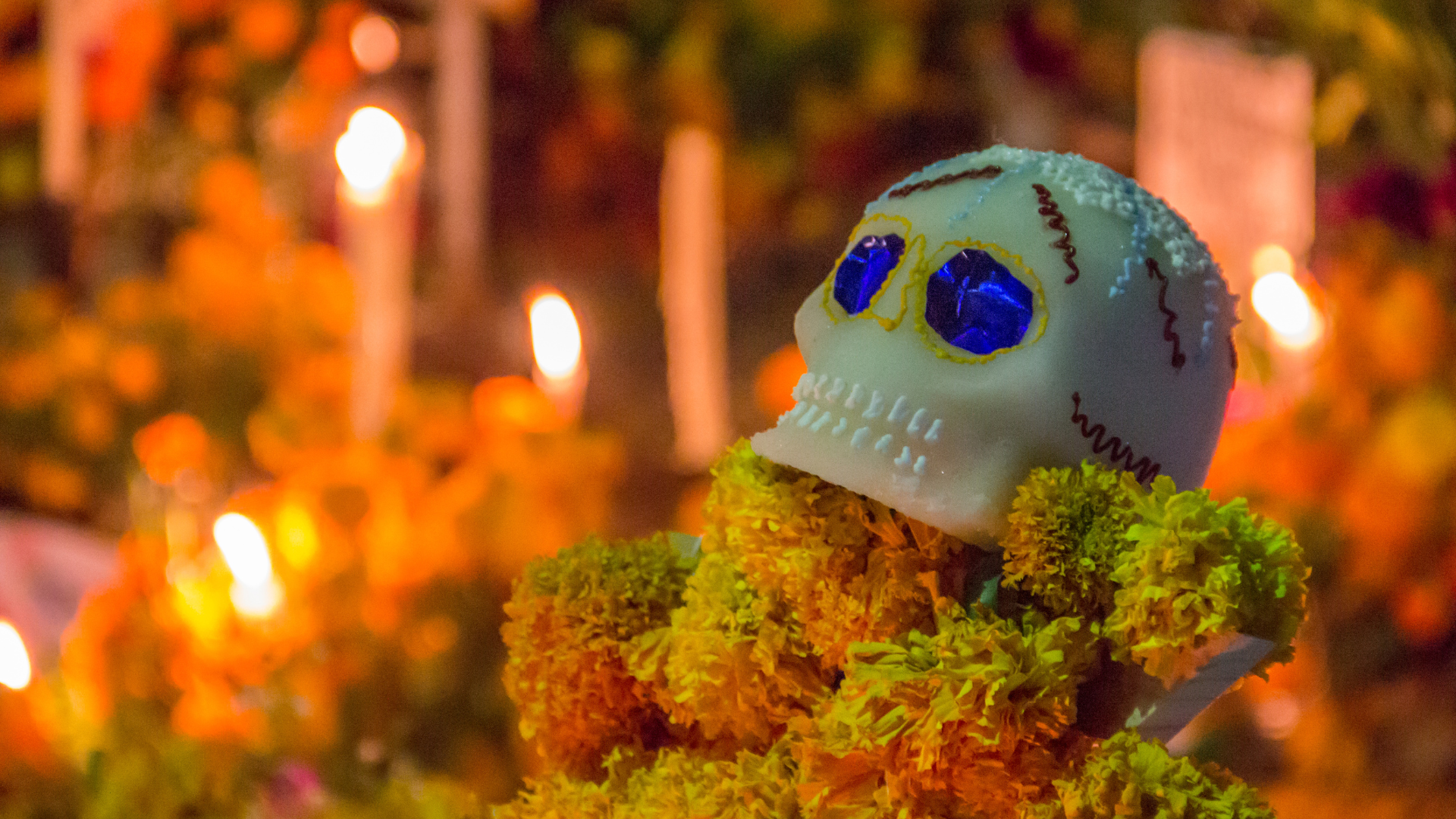
From October 27th to November 2nd, homes, cemeteries, and public spaces come alive with vivid orange marigolds, flickering candles, sugar skulls, incense, and offerings of delicious food, all meant to guide and welcome the spirits. But Día de Muertos is more than just a festival; it’s a deep cultural legacy that blends Mesoamerican and Catholic traditions, with echoes that stretch across the globe.
Let’s take a journey into the rich origins, evolving customs, and the global similarities of this extraordinary celebration of life and death.
Ancestral Roots of Día de Muertos
Long before Spanish colonization, many Mesoamerican civilizations — including the Aztecs, Maya, Purépechas, and Totonacas — viewed death not as a final end but as part of a cosmic life-death cycle. They conducted elaborate burial rituals and spiritual ceremonies to honor the deceased.
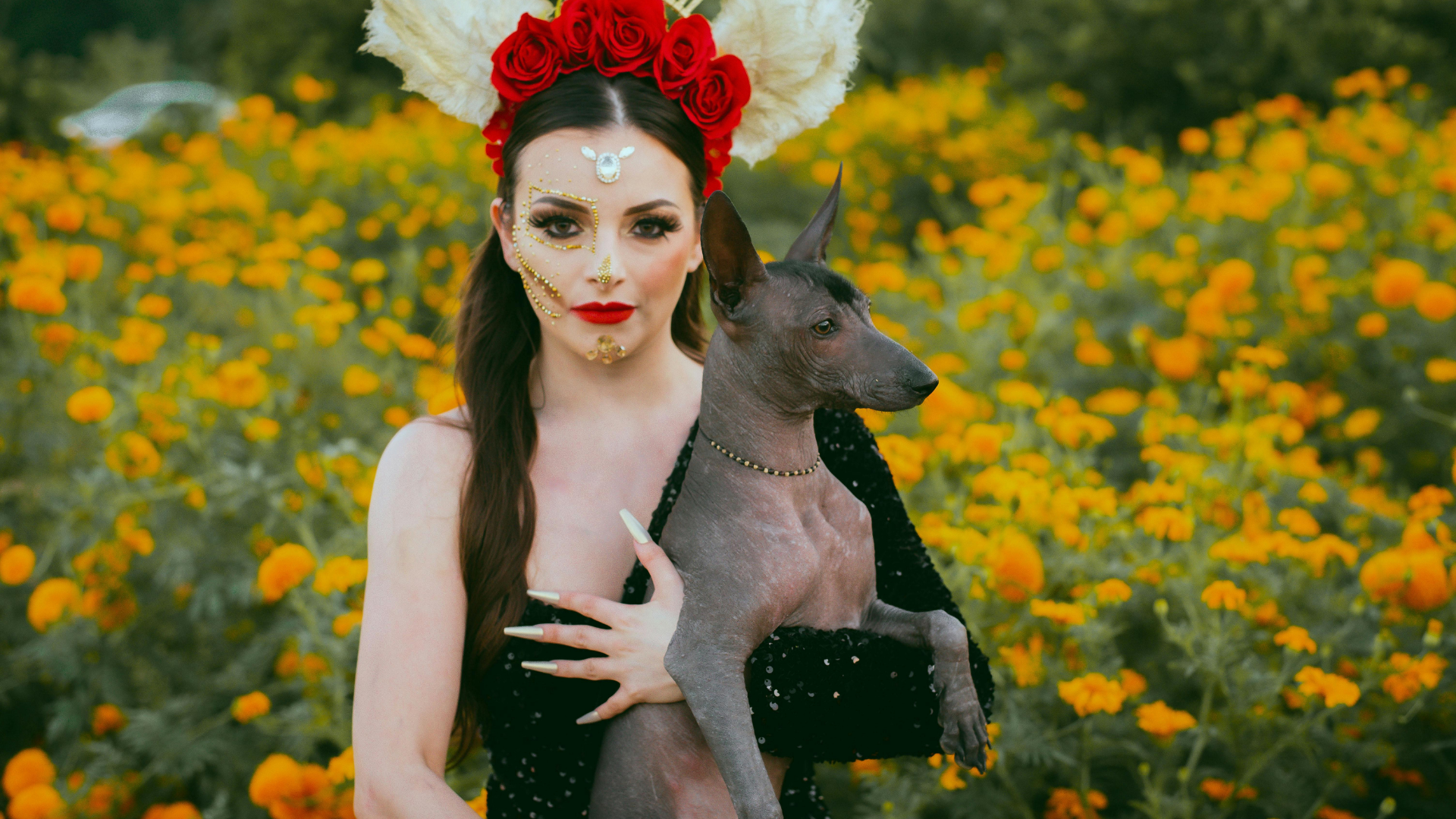
In many societies, burials included personal objects, tools, and food to assist the deceased in navigating the underworld. Bodies were sometimes wrapped or bundled in mats (petates) or textiles, and in some traditions, a dog (often the Xoloitzcuintle) was believed to serve as a spirit guide or companion on the journey to the otherworld.
Source: canva.com
Offerings of food, drink, and favorite possessions were made to both the dead and the gods, creating a symbolic exchange between the realms.
In later centuries, especially within Nahuatl (Aztec-derived) traditions, a belief persisted that the souls of loved ones might briefly return to the world of the living — and that offerings placed on household altars (food, water, flowers) could nourish or welcome them.
After Spanish colonialism took hold in the 16th century, indigenous rituals surrounding death and the ancestral dead were syncretized with Catholic observances such as All Saints’ Day and All Souls’ Day, which were reinterpreted and merged with local customs to form what eventually became Día de Muertos.
Día de Muertos Today: A Celebration That Evolves
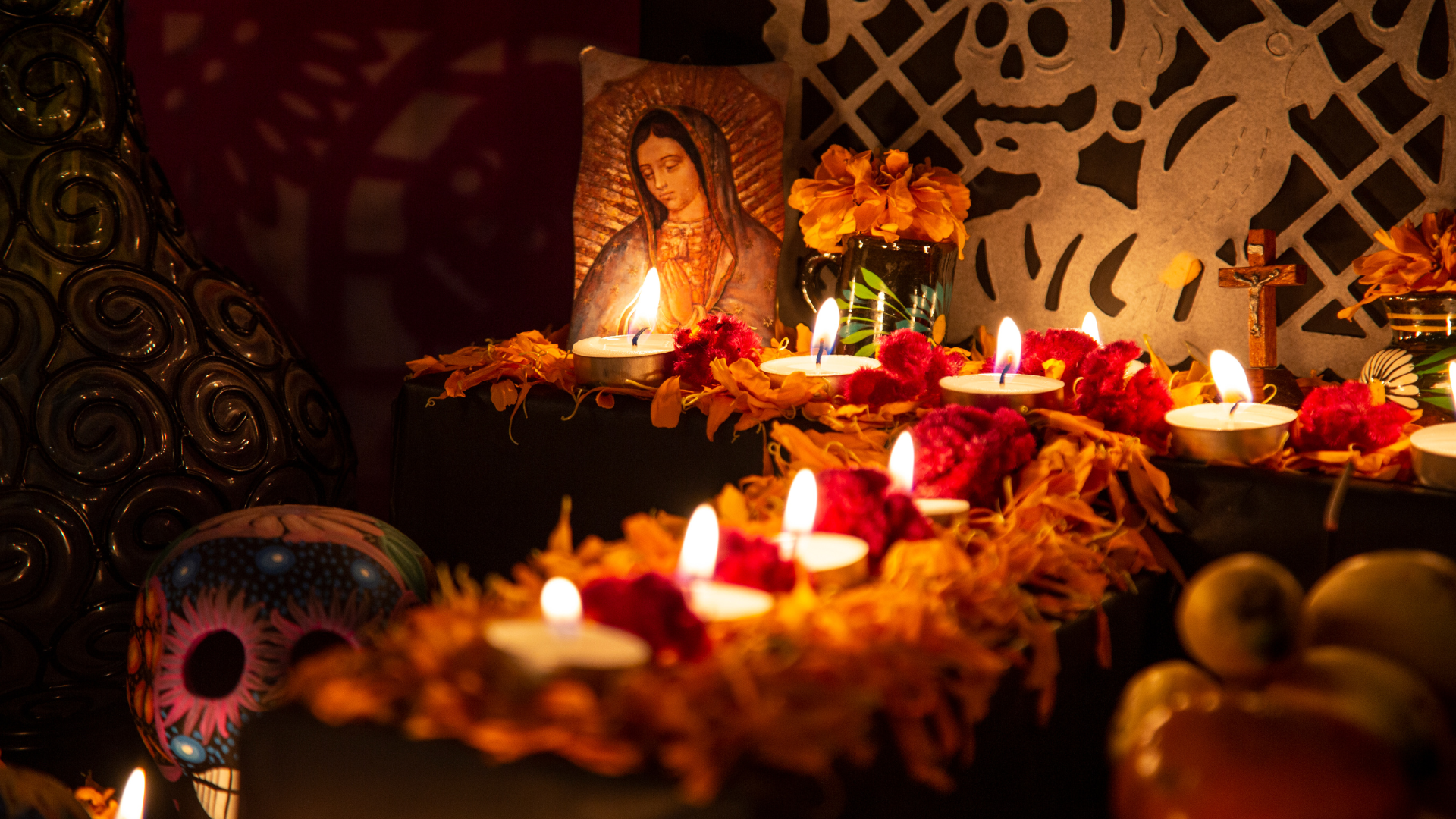
Over the centuries, Día de Muertos has continued to grow, adopting new customs while preserving its spiritual heart. The best-known days are November 1, dedicated to children and youth (All Saints’ Day), and November 2, dedicated to adults (All Souls’ Day).
Source: canva.com
In recent decades, however, many communities and families have expanded the calendar with additional observances. October 27 is now often set aside for beloved pets. Other days may be dedicated to people who died tragically (October 28), to those who drowned (October 29), to forgotten or unclaimed souls (October 30), or to unborn and unbaptized children (October 31). These practices are not standardized across Mexico and are considered more modern or regional innovations; however, they highlight the wide spectrum of remembrance that the tradition encompasses.
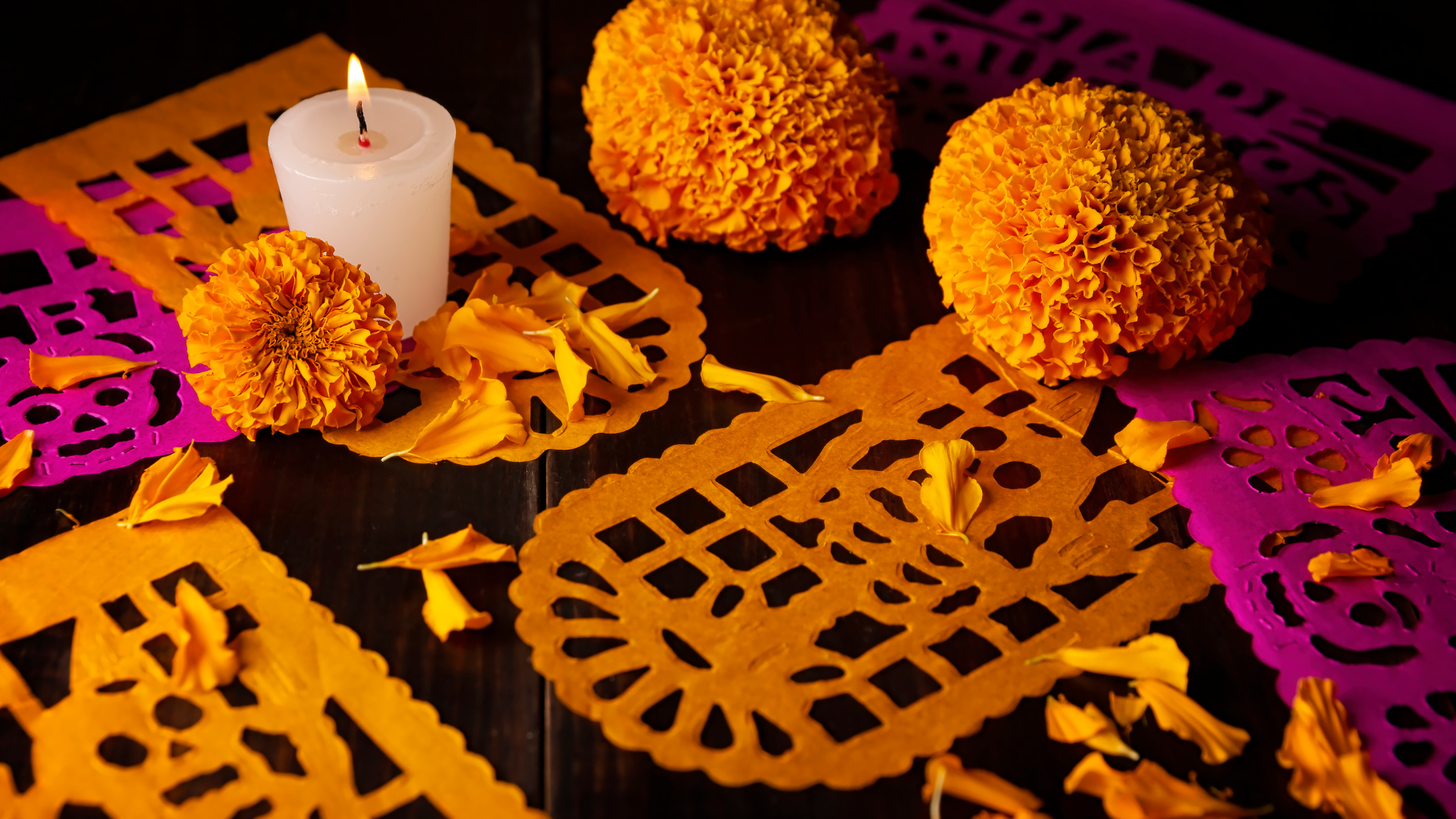
Families build colorful altars (ofrendas) with cempasúchil marigolds, papel picado, sugar skulls, pan de muerto, candles, copal incense, and the favorite foods and drinks of the deceased. In cemeteries, graves are cleaned, decorated, and sometimes altars are built directly on them. Paths of marigold petals and candles may stretch from homes to the cemetery, guiding souls safely back.
Source: canva.com
Offerings are usually left out for several days. While some families remove them by November 4, the exact timing varies from place to place.
In 2008, UNESCO recognized Día de Muertos as an Intangible Cultural Heritage of Humanity, honoring both its ancient roots and its evolving, living expression across Mexico.
Regional Variations: A Mosaic of Rituals
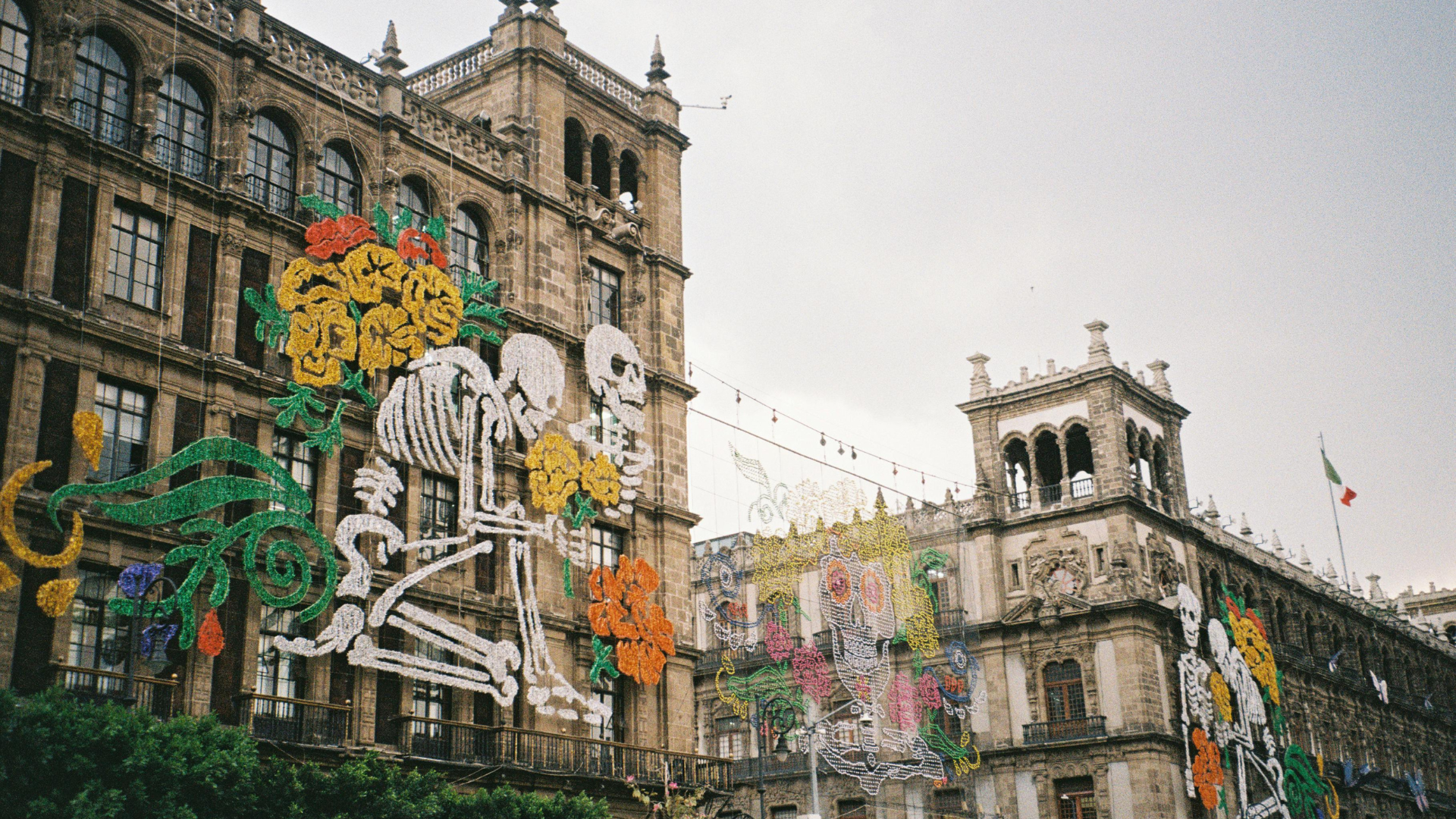
The capital celebrates with grand public events like the Mega Parade along Paseo de la Reforma, monumental altars in the Zócalo, and artistic installations at UNAM. Many still visit cemeteries and build intimate altars at home, while neighborhoods like Mixquic preserve traditional rituals.
Source: canva.com
In Mayan tradition, Hanal Pixán, meaning “Food for the Souls,” honors the dead with special meals and rituals. Altars are built in three levels* to represent the Mayan universe, the underworld, the earthly realm, and the world of gods, often featuring the sacred Ya’axché tree. Unlike other regions, the Mayans didn’t believe in a specific return of the dead, but rather maintained daily offerings and ancestor worship year-round.
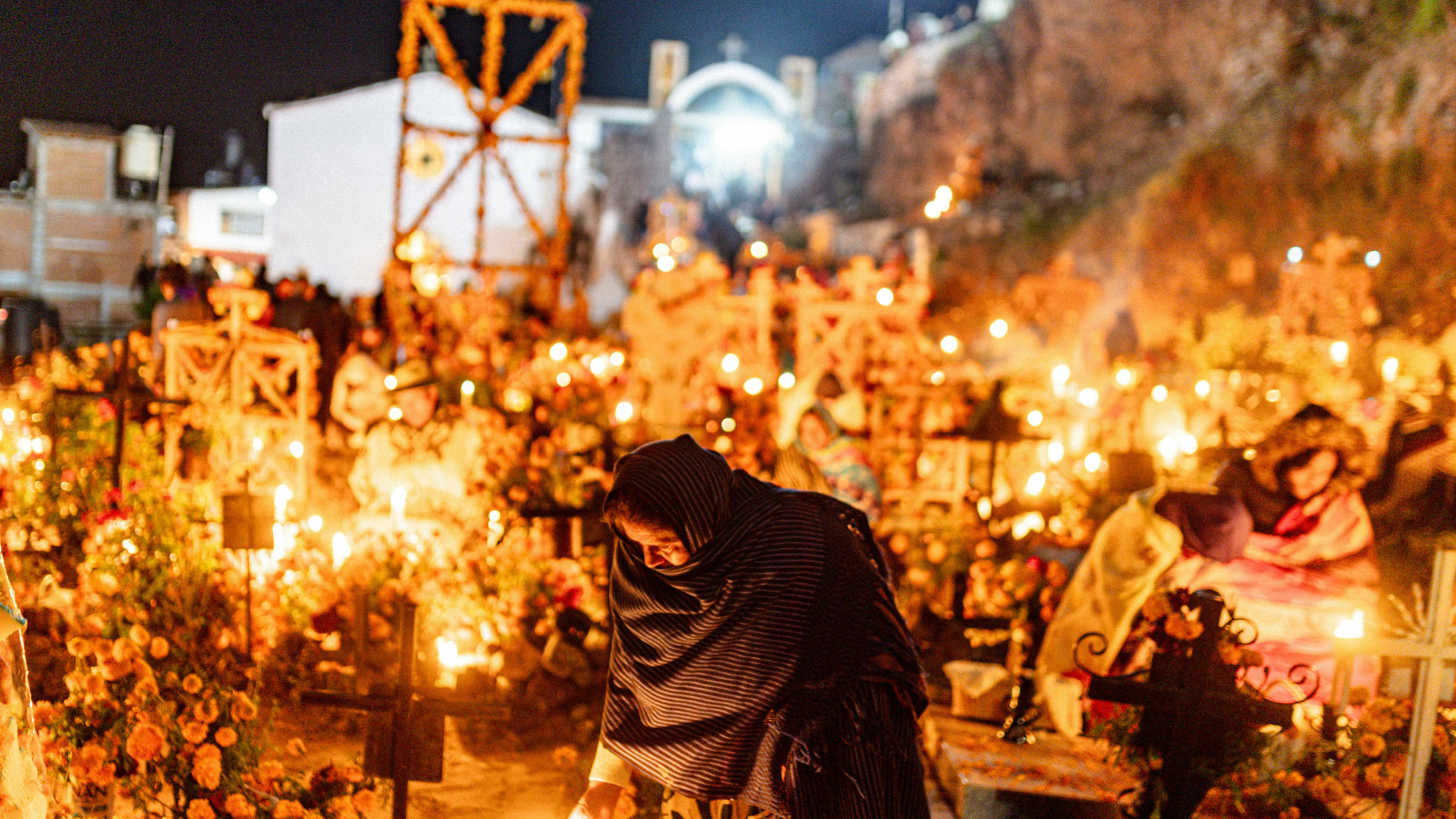
A deeply spiritual region, Oaxaca celebrates with altar exhibitions, night visits to candlelit cemeteries, lively street parades, and traditional foods like black mole. Markets overflow with cempasúchil, sugar skulls, and pan de muerto, while the streets echo with music and dance.
Source: canva.com
Michoacán
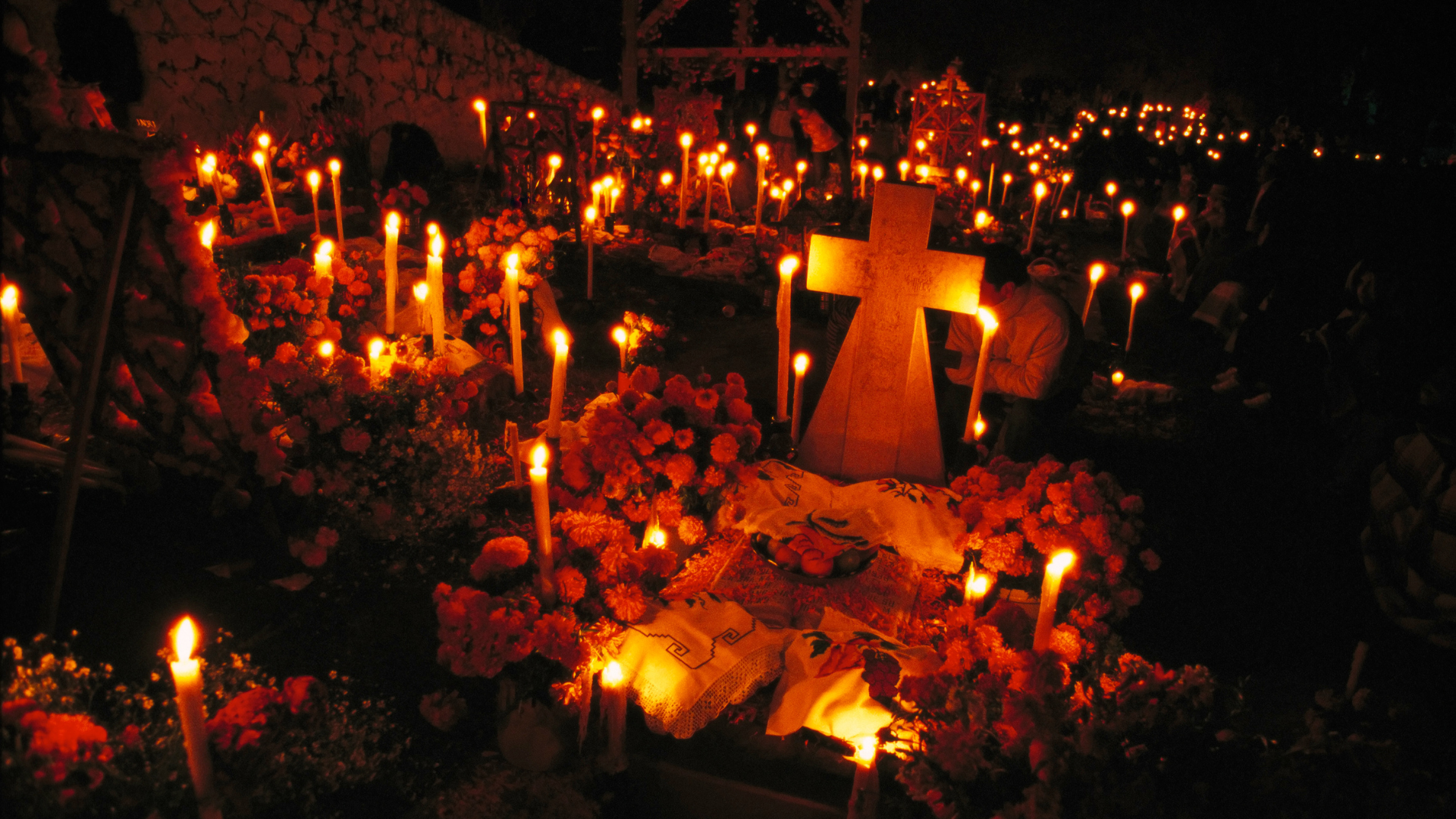
In a breathtaking nighttime ritual, families sail across Lake Pátzcuaro to Janitzio Island in candlelit boats, singing and telling stories. Once at the cemetery, they decorate tombs with flowers, bread, fruits, and personal mementos.
Source: canva.com
Adding to the wonder, Monarch butterflies arrive in Michoacán around this time, and some locals believe these delicate creatures carry the souls of the departed returning for the festival. While this idea is part of contemporary or symbolic interpretations rather than a long-established Purépecha legend, it beautifully highlights the deep connection between nature, memory, and celebration in this remarkable tradition.
Beyond Costumes and Altars: Día de Muertos vs. Halloween
While Día de Muertos and Halloween happen around the same time, their origins and meanings are quite different — yet both celebrate the connection between the living and the dead.
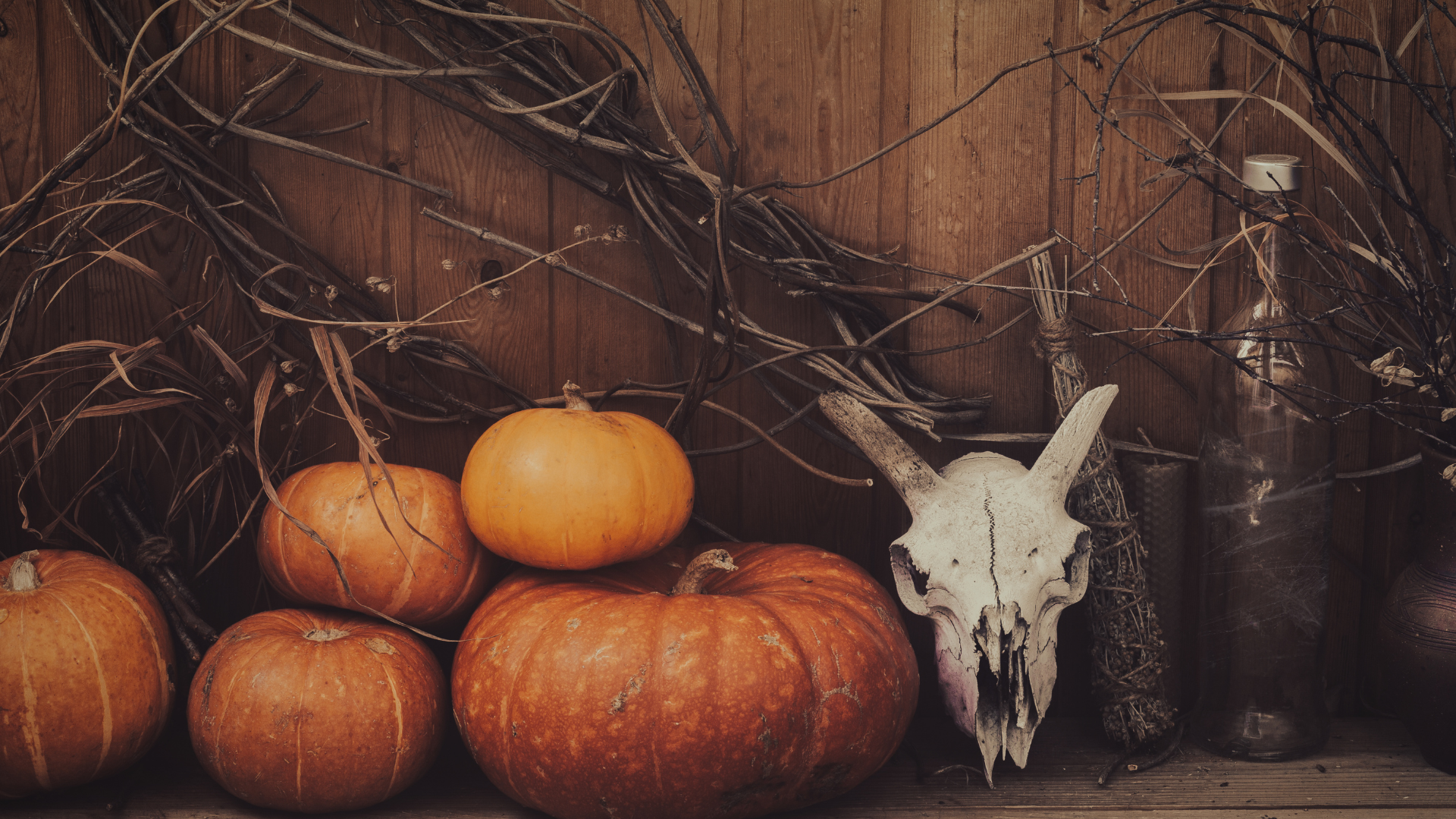
Halloween traces back to the ancient Celtic festival of Samhain, marking the end of the harvest and the thinning of the veil between worlds. Bonfires were lit, costumes were worn, and offerings were made to gods. By the 8th century, the Catholic Church incorporated these traditions into All Saints’ Day (November 1) and All Souls’ Day (November 2), with the evening before becoming “All Hallows’ Eve,” eventually shortened to Halloween. These same Catholic observances later merged with pre-Hispanic rituals in Mexico, giving rise to the modern Día de Muertos.
Source: canva.com
Irish and Scottish immigrants brought Halloween to the U.S. in the 19th century, where it evolved into the fun, spooky night of costumes, trick-or-treating, and pumpkin carving we know today.
Despite their differences, both celebrations share a magical element: the brief coming together of the living and the dead. The orange glow of carved pumpkins mirrors the bright marigolds that guide spirits home, and costumes, decorations, and sweet treats add joy and creativity to remembrance. It’s a perfect example of how cultures transform the natural cycle of life and death into celebration.
Honoring the Dead Around the World
The spirit of remembering our ancestors transcends borders. Here are some remarkable global traditions that echo the heart of Día de Muertos:
Japan: Obon Festival, where Lanterns are lit to guide ancestors’ spirits back to visit loved ones.
Haiti: Fèt Gede, A Voodoo celebration with music, rituals, and offerings for the dead.
India: Pitru Paksha, A two-week ritual offering food and water to help ancestors in their spiritual journey.
Nepal: Gai Jatra. Families parade with cows or children dressed as cows to honor those who have passed away.
Madagascar: Famadihana, Every seven years, families exhume and rewrap the bones of their ancestors in joyous dancing and music.
China: Ghost Festival or Teng Chieh, Food offerings, paper boats, and burning paper effigies guide spirits and release them.
A Universal Celebration of Life Through Death
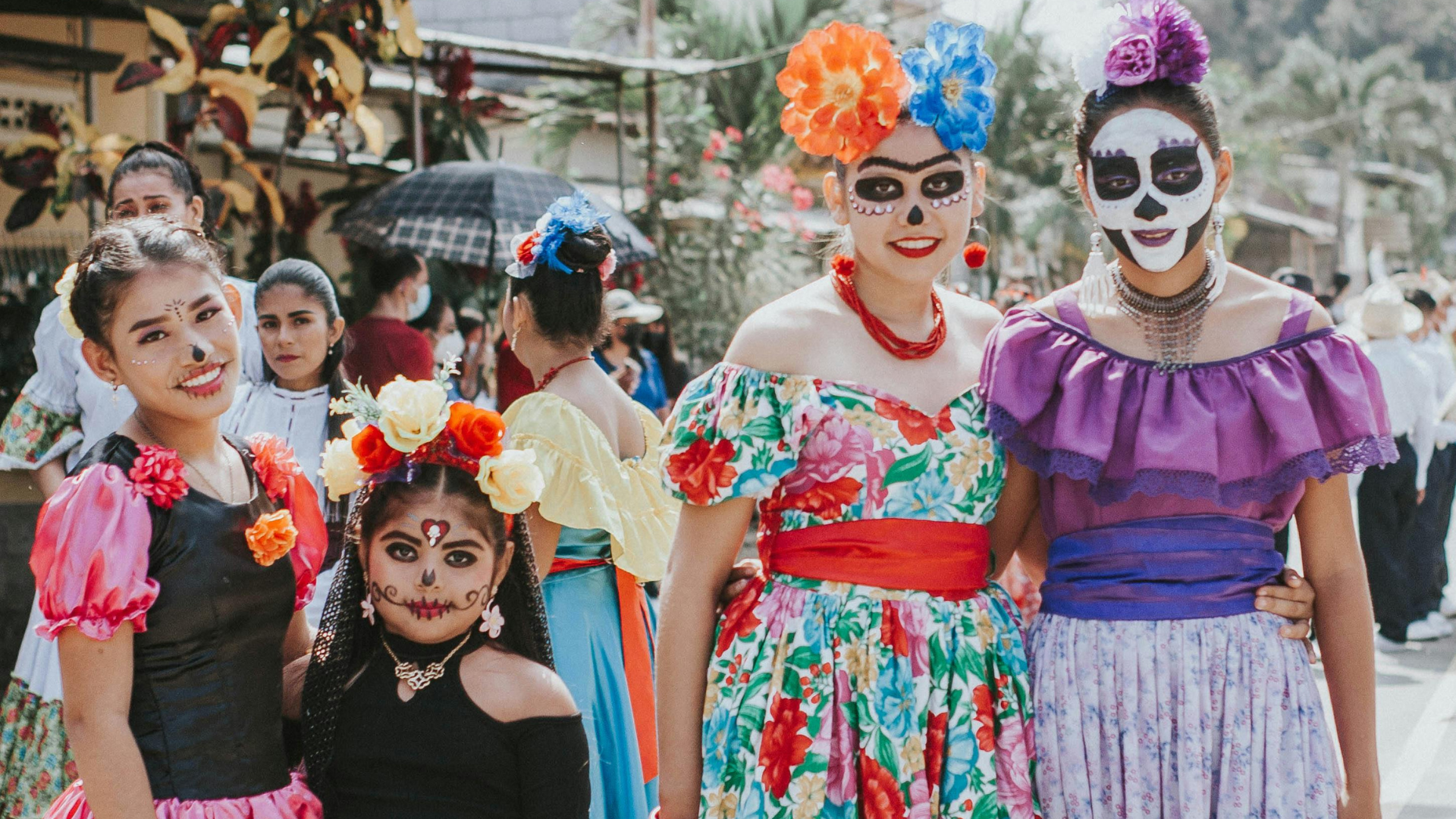
Whether through altars, bonfires, dances, or food, cultures across the world remind us that death is not an end, but a passage, and memory is the bridge that keeps loved ones close.
Source: canva.com
In Mexico, Día de Muertos is a living tradition, rich in symbolism and community spirit. And though it may differ in form, the essence of honoring our dead is something we all share.
So next time you see marigolds or carved pumpkins, sugar skulls or ghost costumes, take a moment to reflect. Because beyond the costumes and rituals lies something deeply human: the love that outlives death.
-Abbey.