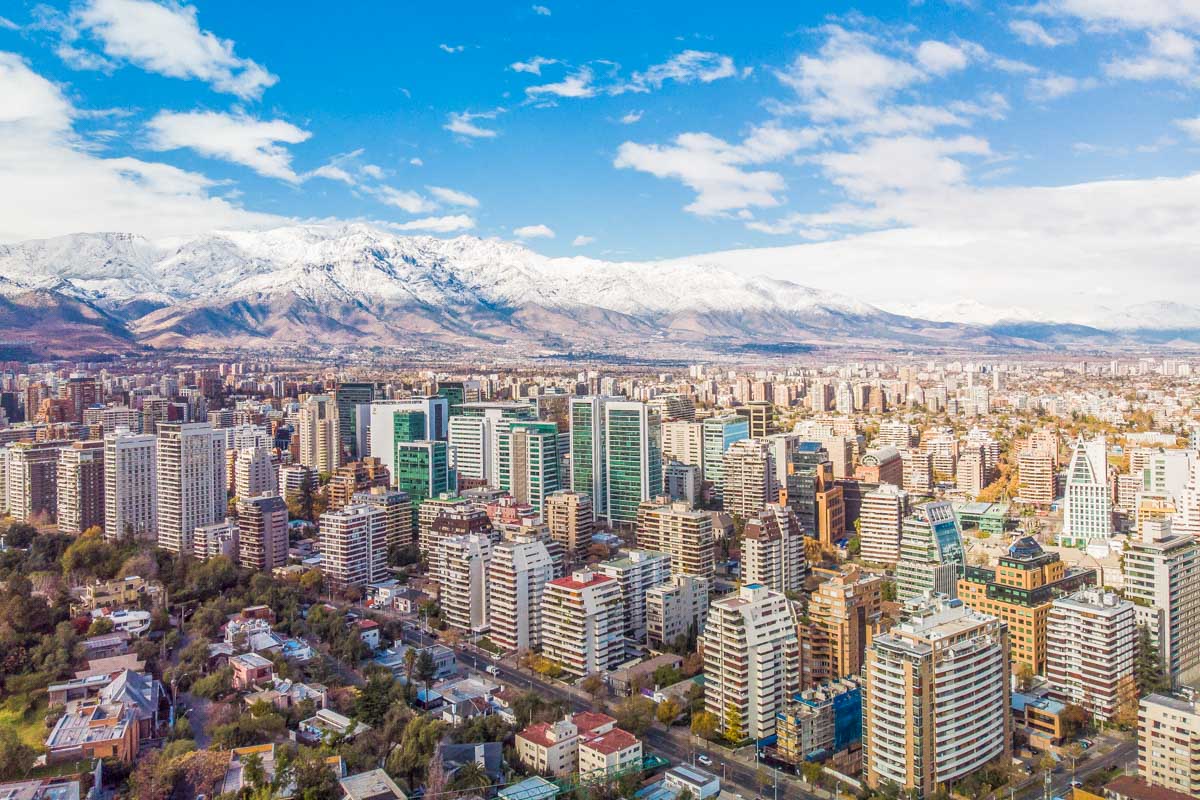
Planning a trip to Santiago, Chile? As food tour guides who’ve walked these streets hundreds of times with travelers from around the world, we know this city like the back of our hand. Here’s our insider guide to the 15 absolute best things to do in Santiago – from hidden culinary gems to iconic landmarks that define the soul of Chile’s capital.
Santiago isn’t just another South American capital – it’s a city where the Andes mountains frame every sunset, where centuries-old traditions blend seamlessly with modern innovation, and where every neighborhood tells a different story through its food, art, and people. After guiding thousands of visitors through Santiago’s streets, markets, and eateries, we’ve curated this list of experiences that capture the true essence of this incredible city.
1. Take a Santiago Food Tour (The #1 Must-Do Experience)
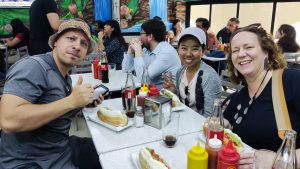 Let’s start with what we know best – and what consistently ranks as travelers’ favorite Santiago experience. A proper Santiago food tour isn’t just about eating; it’s your cultural immersion crash course into Chilean life.
Why food tours top our list:
- You’ll taste authentic dishes most tourists never discover
- Local guides share stories you won’t find in guidebooks
- You’ll learn to navigate markets like a true Santiaguino
- It’s the fastest way to understand Chilean culture and history
Choose Your Santiago Food Tour Adventure:
Barrio Italia Food Tour ($109 USD, 3 hours): Ideal for travelers seeking Santiago’s creative side. This bohemian neighborhood offers traditional Chilean dishes with modern twists, artisanal coffee culture, and streets lined with murals and design shops. It’s where young Chileans are reimagining their culinary heritage.
Pro tip from our guides: Book your food tour for your first or second day in Santiago. The local insights and neighborhood knowledge you’ll gain will enhance every other experience on this list.
2. Explore La Vega Central Market (The Heart of Santiago’s Food Scene)
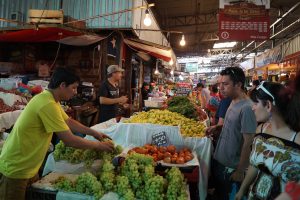
La Vega Central isn’t just a market – it’s where Santiago’s soul lives. This sprawling indoor market has been feeding the city for over a century, and walking through its chaotic, colorful corridors is like stepping into the beating heart of Chilean culture.
What makes La Vega special:
- Over 800 vendors selling everything from Andean potatoes to Pacific seafood
- Prices that are 50-70% lower than supermarkets
- Traditional “cocinerías” (small restaurants) serving authentic homestyle meals
- The best empanadas in Santiago (we’re talking fight-worthy good)
Insider eating tips:
- Try “once” (Chilean tea time) at any of the small eateries
- Order cazuela de cordero if it’s available – it’s pure comfort food
- Don’t miss the fresh fruit juices – especially during summer months
- The sopaipillas here are legendary on rainy days
Best time to visit: Early morning (8-10 AM) when the energy is highest and ingredients are freshest. Avoid Sundays when most vendors are closed.
3. Ascend Cerro San Cristóbal for Panoramic City Views
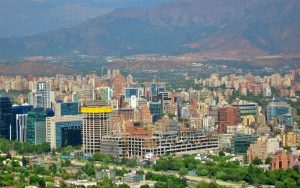
No Santiago experience is complete without witnessing the city sprawl against the dramatic Andes backdrop from Cerro San Cristóbal. This 300-meter hill offers the most spectacular panoramic views of Santiago, especially during clear days when the mountains seem close enough to touch.
Multiple ways to reach the summit:
- Funicular railway (historic and scenic)
- Cable car (Teleférico) for 360-degree views during the ride
- Hiking trails for the adventurous (45-60 minutes)
- Driving to the parking area near the summit
What you’ll find at the top:
- Stunning 360-degree views of Santiago and the Andes
- Statue of the Virgin Mary (a significant religious site)
- Small café and souvenir shops
- Perfect sunset viewing spot
Food tour guide secret: Visit during late afternoon, then head down to nearby Bellavista neighborhood for dinner. The contrast between the panoramic city views and intimate neighborhood dining perfectly captures Santiago’s dual nature.
4. Wander Through Barrio Italia’s Street Art and Artisanal Scene
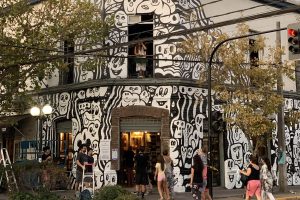
Barrio Italia represents Santiago’s creative renaissance. This formerly industrial neighborhood has transformed into the city’s bohemian heart, where street art tells stories of social change, and young entrepreneurs are redefining Chilean craftsmanship and cuisine.
What makes Barrio Italia unmissable:
- World-class street art: Massive murals covering entire building sides
- Artisanal shops: Local designers creating everything from leather goods to jewelry
- Third-wave coffee culture: Santiago’s best independent coffee roasters
- Fusion cuisine: Traditional Chilean ingredients in innovative preparations
Must-visit streets:
- Avenida Italia: The main artery with the best restaurants and shops
- Caupolicán: Antique shops and vintage finds
- Santa Isabel: Local cafés and art galleries
Foodie highlights:
- Café Altura for single-origin Chilean coffee
- Neo-Chilean restaurants experimenting with indigenous ingredients
- Artisanal ice cream shops using local fruits like lúcuma and chirimoya
This neighborhood is covered extensively in our Barrio Italia Food Tour – it’s where tradition meets innovation in the most delicious ways.
5. Experience Plaza de Armas and Santiago’s Historic Center
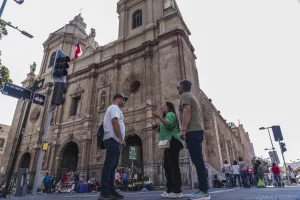
Plaza de Armas isn’t just Santiago’s main square – it’s the spot where the city began in 1541. This UNESCO World Heritage area offers a concentrated dose of Chilean history, architecture, and urban culture that tells the story of the nation’s evolution.
Historical significance:
- Founded by Spanish conquistador Pedro de Valdivia
- Home to Santiago’s most important colonial buildings
- Witness to every major event in Chilean history
- Still the political and social heart of the city
Key attractions around the plaza:
- Metropolitan Cathedral: Chile’s most important religious building
- Central Post Office: Beautiful early 20th-century architecture
- National History Museum: Comprehensive overview of Chilean history
- Portal Fernández Concha: Historic arcade with shops and cafés
Food connections: The streets around Plaza de Armas house some of Santiago’s oldest restaurants and cafés. During our Downtown Food Tour, we share stories about how this plaza shaped Chilean cuisine and culture while sampling traditional dishes from family-run establishments that have served locals for generations.
6. Ride the Funicular to Cerro Santa Lucía
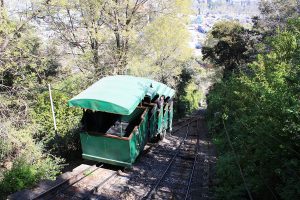
While Cerro San Cristóbal offers the best views, Cerro Santa Lucía provides the most romantic and historically significant hilltop experience in Santiago. This beautifully landscaped urban park combines European garden design with Chilean flora, creating an unexpected oasis in the city center.
Why Cerro Santa Lucía is special:
- Historic significance as Santiago’s founding location
- Stunning 19th-century European-style gardens
- Castle-like architecture with stone terraces and fountains
- More intimate than Cerro San Cristóbal – perfect for couples
What to expect:
- Terraza Caupolicán: The main viewpoint with city panoramas
- Biblioteca Santiago Severin: A unique hilltop library
- Historic cannons: Remnants of colonial fortifications
- Beautiful walking paths: Perfect for a romantic stroll
Best visiting strategy: Combine with exploring the historic center. After visiting Plaza de Armas, the 10-minute walk to Santa Lucía makes perfect sense, and the elevation change offers a nice perspective shift on the city.
7. Shop and Eat at Mercado Central
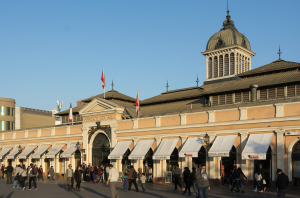
Mercado Central is where Santiago’s relationship with the Pacific Ocean comes alive. This national monument, built in 1872, houses one of Chile’s most important seafood markets and offers visitors an authentic taste of Chile’s coastal cuisine right in the heart of the capital.
What makes it extraordinary:
- Fresh seafood: Daily deliveries from Chile’s extensive coastline
- Traditional restaurants: Some serving the same recipes for 50+ years
- Cultural immersion: Watch locals shop for their weekly seafood
- Architectural beauty: Cast-iron and glass roof imported from England
Must-try dishes:
- Caldillo de congrio: Pablo Neruda’s favorite eel soup
- Paila marina: Chile’s ultimate seafood soup
- Centolla: King crab when in season
- Fresh oysters: From Chile’s cold southern waters
Timing tip: Visit during lunch hours (12-3 PM) when the restaurants are busiest and the atmosphere is most authentic. The energy of local families enjoying their weekly seafood lunch is infectious.
8. Stroll Through Providencia’s Modern Santiago
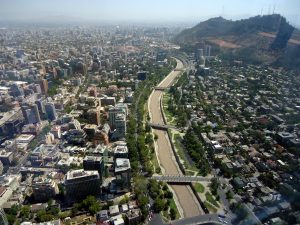
Providencia represents modern Santiago – where international business meets local lifestyle, and where young professionals have created a dining and nightlife scene that rivals any global city. This neighborhood shows how Santiago has evolved into a cosmopolitan capital while maintaining its Chilean character.
Providencia highlights:
- Costanera Center: Latin America’s tallest skyscraper with observation deck
- Manuel Montt area: Trendy restaurants and boutique hotels
- Los Leones Golf Club: Where Santiago’s elite play and dine
- Sculpture Park: Open-air art along the Mapocho River
Food scene evolution: Providencia showcases how Chilean cuisine has gone global while staying local. You’ll find restaurants run by Chilean chefs who trained internationally but returned to celebrate local ingredients with world-class techniques.
Why food tour guides love this area: It perfectly demonstrates how Santiago’s culinary scene has evolved. We often bring our tour groups here to show the contrast between traditional markets and modern Chilean gastronomy.
9. Visit La Moneda Palace (Chile’s Presidential Palace)
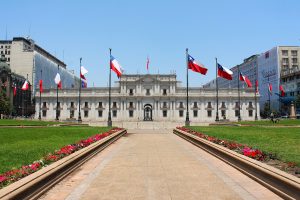
La Moneda Palace serves as both Chile’s seat of government and a powerful symbol of the country’s democratic resilience. The free guided tours offer insights into Chilean politics, history, and culture that you simply can’t get anywhere else.
Historical significance:
- Originally built as the national mint (hence “La Moneda” – “The Mint”)
- Site of the 1973 military coup that shaped modern Chile
- Beautifully restored after suffering damage during political upheaval
- Now represents Chile’s return to democracy
What the tour includes:
- Presidential reception rooms: Elegant spaces for state functions
- Historical exhibitions: Chile’s path to democracy
- Beautiful architecture: Neoclassical design and artwork
- Changing of the guard: Traditional ceremony (specific times)
Booking: Free tours require advance registration online. Tours are available in Spanish and English on specific days.
Cultural connection: Understanding Chilean politics and history deepens your appreciation for the country’s food culture, as many traditional dishes reflect the resilience and resourcefulness of the Chilean people through challenging times.
10. Experience Bellavista’s Nightlife and Cultural Scene
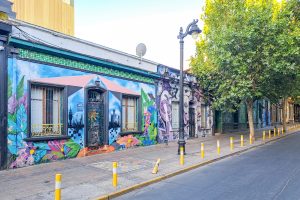
Bellavista is where Santiago comes alive after dark. This colorful neighborhood combines bohemian culture, vibrant nightlife, and some of the city’s most innovative restaurants. It’s where locals go to celebrate, artists go to create, and visitors go to experience the real Santiago social scene.
Bellavista’s multiple personalities:
- Cultural hub: Art galleries, theaters, and live music venues
- Nightlife center: Bars, clubs, and late-night eateries
- Gastronomic destination: Innovative restaurants and traditional peñas
- Bohemian neighborhood: Street art and alternative culture
Must-experience venues:
- La Piojera: Historic bar famous for its “Terremoto” cocktail
- Patio Bellavista: Open-air complex with restaurants and bars
- Various peñas: Traditional Chilean folk music venues
- Craft beer bars: Santiago’s growing microbrewery scene
Food and drink highlights: Bellavista perfectly represents Chilean social drinking and late-night eating culture. The neighborhood’s restaurants stay open late, bars serve substantial food, and the social atmosphere is infectious.
Pro tip: After our evening food tours, we often recommend Bellavista for continuing the night – the energy perfectly complements a day of culinary exploration.
11. Take a Day Trip to Valparaíso (UNESCO World Heritage Port City)
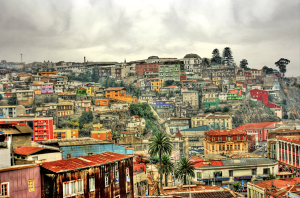
Just 90 minutes from Santiago, Valparaíso offers a completely different Chilean experience. This UNESCO World Heritage port city is famous for its colorful hillside houses, bohemian culture, and unique coastal cuisine that complements what you’ll experience in Santiago.
Why Valparaíso deserves a day:
- UNESCO World Heritage: Recognized for its unique urban landscape
- Street art capital: Some of South America’s best murals
- Historic funiculars: 19th-century elevators still in operation
- Coastal cuisine: Different flavors from Santiago’s mountain-influenced food
- Pablo Neruda’s house: Tour the Nobel Prize winner’s seaside home
Food experiences unique to Valparaíso:
- Chorrillana: Massive plate of fries, meat, and eggs (Valpo invention)
- Fresh seafood: Directly from fishing boats
- Craft beer: Ocean-side breweries with unique flavors
- Street food: Different specialties from Santiago’s offerings
Getting there: Regular buses and trains connect Santiago to Valparaíso. Many visitors combine this with our Santiago food tours to understand how Chile’s geography influences its cuisine.
12. Wine Tasting in Nearby Valleys (Maipo and Casablanca)
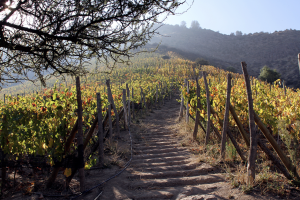
Chile produces some of the world’s best wine, and Santiago sits perfectly positioned between multiple wine regions. A day of wine tasting provides context for understanding Chilean culture, as wine is integral to social life and cuisine throughout the country.
Accessible wine regions from Santiago:
Maipo Valley (30-45 minutes):
- Concha y Toro: Chile’s most famous winery
- Santa Rita: Historic estate with excellent tours
- Almaviva: Premium wines with French collaboration
Casablanca Valley (90 minutes):
- Cool climate wines: Excellent Sauvignon Blanc and Pinot Noir
- Coastal influence: Unique terroir close to the Pacific
- Modern wineries: Cutting-edge architecture and techniques
Why wine tours enhance food tours: Understanding Chilean wine deepens your appreciation for the country’s cuisine. The same terroir that produces excellent grapes creates the vegetables, fruits, and herbs that define Chilean cooking.
Pairing knowledge: After our food tours, guests often ask about wine pairings for the dishes they’ve tried. A proper wine tour provides this context beautifully.
13. Visit the Museum of Memory and Human Rights
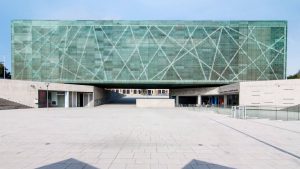
This powerful museum provides essential context for understanding modern Chile and how the country’s recent history has shaped its culture, including its food traditions. The museum handles difficult subjects with sensitivity while honoring the resilience of the Chilean people.
Why this museum matters:
- Recent history: Understanding Chile’s path to democracy
- Cultural context: How political events shaped social traditions
- Human stories: Personal accounts that bring history to life
- Healing process: How Chile has addressed its past
Connection to food culture: Many of Chile’s comfort foods and family traditions were shaped by the social and economic challenges of the 1970s and 1980s. Understanding this history adds depth to appreciating dishes like cazuela, empanadas, and other foods that sustained families through difficult times.
Visitor information: Free admission, excellent English-language materials, and thoughtfully designed exhibitions that are informative without being overwhelming.
14. Relax in Parque Metropolitano (South America’s Largest Urban Park)
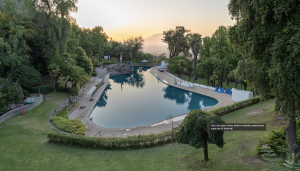
Parque Metropolitano encompasses several of Santiago’s hills and provides over 700 hectares of green space for recreation, exercise, and relaxation. It’s where Santiaguinos go to escape urban stress and connect with nature without leaving the city.
What the park offers:
- Multiple access points: Cable cars, funiculars, and hiking trails
- Diverse activities: Biking, hiking, picnicking, and sightseeing
- Swimming pools: Public pools with city views (summer only)
- Japanese Garden: Peaceful space for meditation and photography
- Adventure park: Zip lines and climbing courses
Local lifestyle insight: Watching families and friends enjoying weekend picnics in Parque Metropolitano provides authentic insights into Chilean social culture. The park represents how Santiaguinos balance urban living with connection to nature.
Food connections: Many locals bring elaborate picnics featuring traditional Chilean foods. It’s common to see families sharing empanadas, sandwiches, and homemade desserts while enjoying the mountain air.
15. Experience Santiago’s Evolving Café Culture
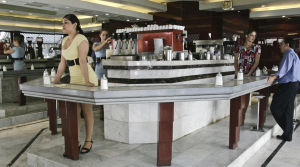
Santiago’s café culture represents the city’s cosmopolitan evolution while maintaining distinctly Chilean characteristics. From traditional “once” (Chilean tea time) to third-wave coffee roasting, the city’s café scene tells the story of cultural change and continuity.
Traditional Chilean café culture:
- Once: Late afternoon tea time with bread, cheese, and sweets
- Café con piernas: Unique Chilean institution (standing coffee bars)
- Social gathering spots: Where business and friendships develop
Modern coffee evolution:
- Third-wave roasters: Single-origin Chilean coffee beans
- International influences: European and North American café styles
- Local adaptations: Chilean ingredients in international preparations
Must-visit café neighborhoods:
- Providencia: Modern coffee shops with international standards
- Barrio Italia: Artisanal roasters and creative spaces
- Las Condes: Business district cafés with professional atmosphere
- Centro: Traditional cafés with decades of history
Why café culture matters: Understanding how Chileans use cafés for business, socializing, and relaxation provides insights into daily life that enhance every other experience in the city.
Planning Your Santiago Adventure: Insider Tips from Food Tour Experts
Best time to visit Santiago:
- March-May (Autumn): Perfect weather and harvest season
- September-November (Spring): Beautiful weather and fewer crowds
- December-February (Summer): Hot but great for outdoor activities
- June-August (Winter): Cool but clear mountain views
Getting around Santiago:
- Metro system: Clean, efficient, and covers most attractions
- Uber/taxi: Reliable for door-to-door transportation
- Walking: Many attractions are within walking distance of each other
- Bike sharing: Growing network of bike rental stations
Budget planning:
- Budget travelers: $50-70 USD per day including food tours
- Mid-range: $80-120 USD per day for comfortable experiences
- Luxury: $150+ USD per day for premium experiences
Language considerations: While many tourism professionals speak English, learning basic Spanish phrases enhances your experience significantly. Chileans appreciate visitors who make the effort to communicate in Spanish.
Safety in Santiago: Santiago is generally safe for tourists who take normal precautions. Stick to well-populated areas, don’t display expensive items openly, and be aware of your surroundings, especially in crowded markets and public transportation.
Ready to Experience the Real Santiago?
Santiago offers an incredible blend of history, culture, natural beauty, and culinary excellence that few South American capitals can match. From the bustling energy of traditional markets to the creative spirit of bohemian neighborhoods, from stunning mountain views to world-class wines, this city rewards curious travelers with unforgettable experiences.
Start with what we do best: Join one of our Santiago food tours to gain the local insights and cultural context that will enhance every other experience on this list. Whether you choose our traditional Downtown Santiago tour or our creative Barrio Italia experience, you’ll gain the local knowledge and confidence to explore the city like a true Santiaguino.
Ready to taste the real Santiago? Book your Santiago food tour today and discover why thousands of travelers have trusted Eating With Carmen Food Tours to show them the authentic flavors and hidden stories of this incredible city.
Have questions about Santiago or want personalized recommendations for your trip? Our local food tour guides are here to help! Contact us for insider tips that go beyond the typical tourist experience.
Book Your Santiago Food Tour:
- Downtown Santiago Food Tour: $99 USD, 3 hours, daily at 2 PM
- Barrio Italia Food Tour: $119 USD, 3 hours, daily at 2 PM
- Both tours include: All food and drinks, English-speaking local guide, small group experience (maximum 12 people)
Join the thousands of happy travelers who’ve discovered Santiago’s authentic flavors with Eating With Carmen Food Tours – your gateway to the real Chile.